
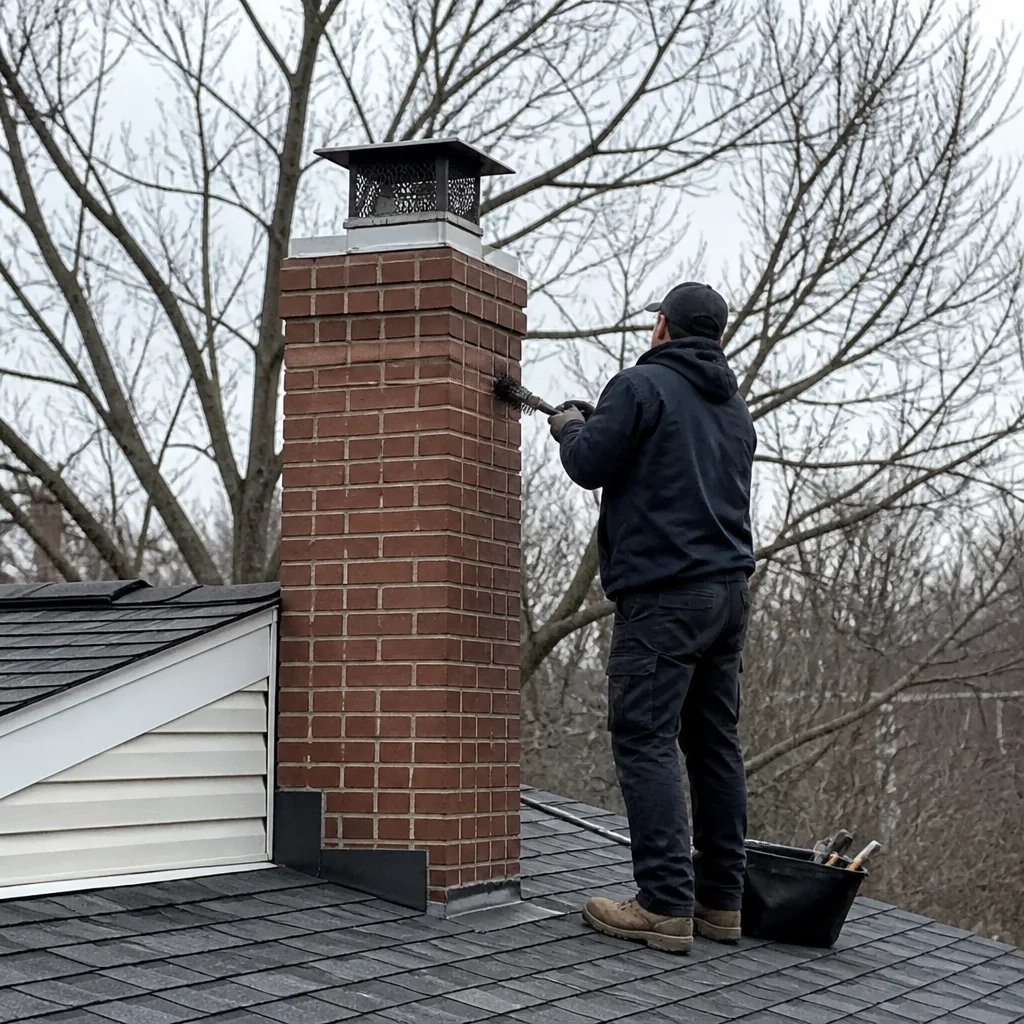
Level 1 sweep and inspection to the NFPA 211 annual standard - flue, crown, cap, and flashing checked and photographed
Chimney sweep logs do not sweep chimneys. They loosen some creosote - which then falls where a brush and vacuum still have to collect it.
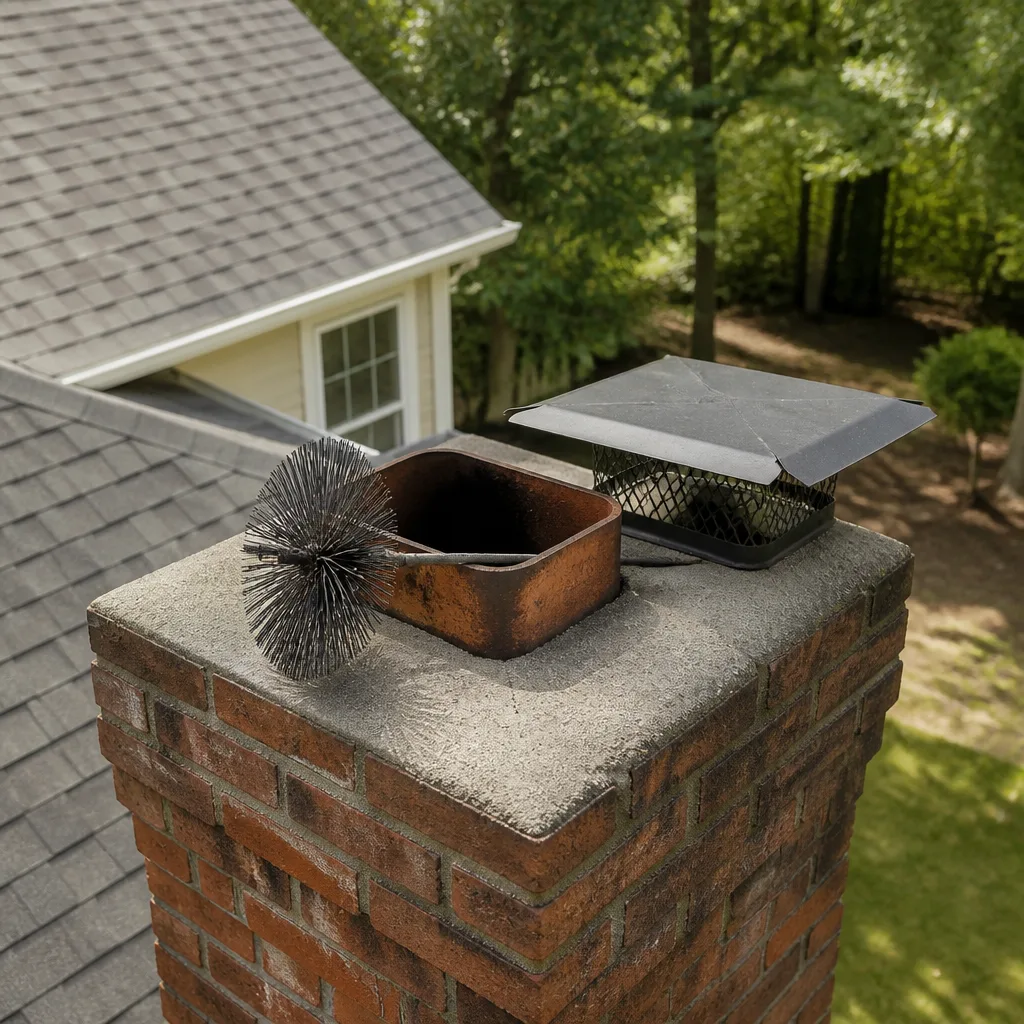

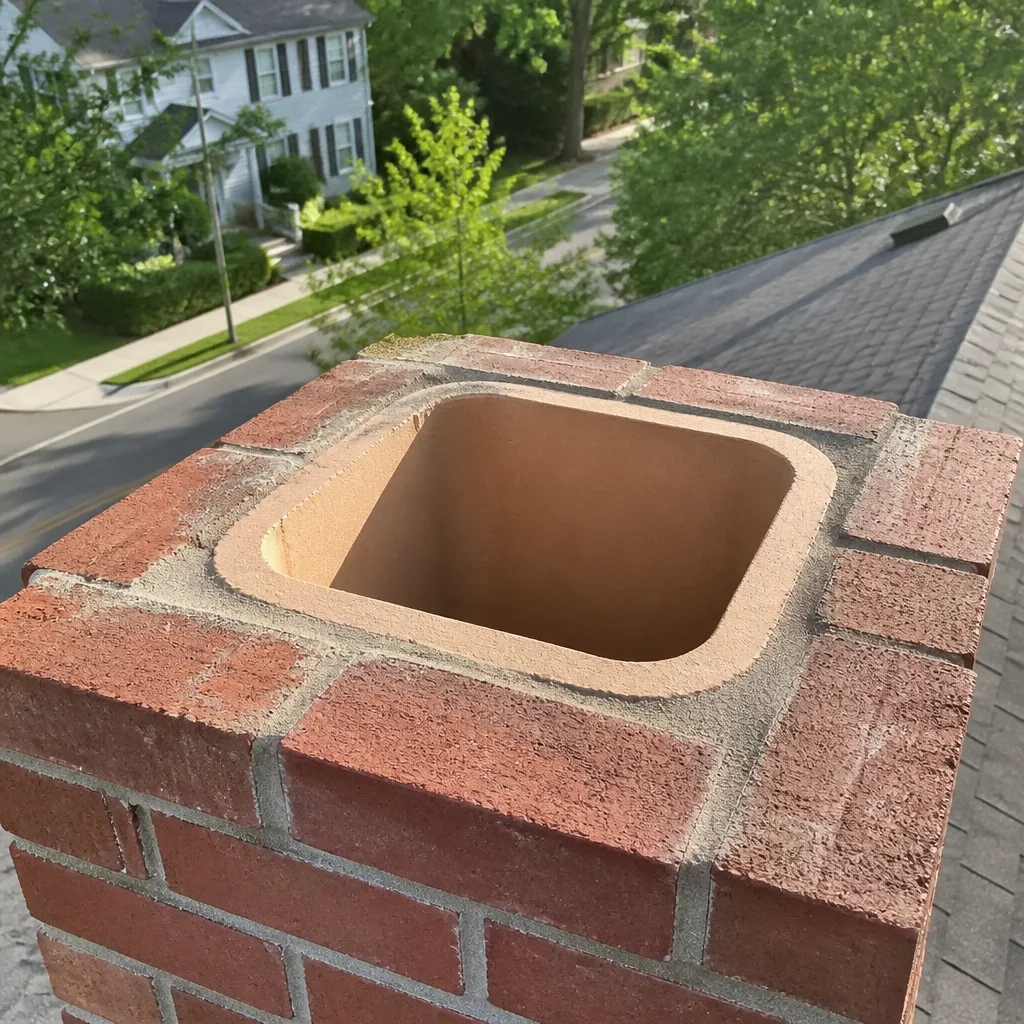
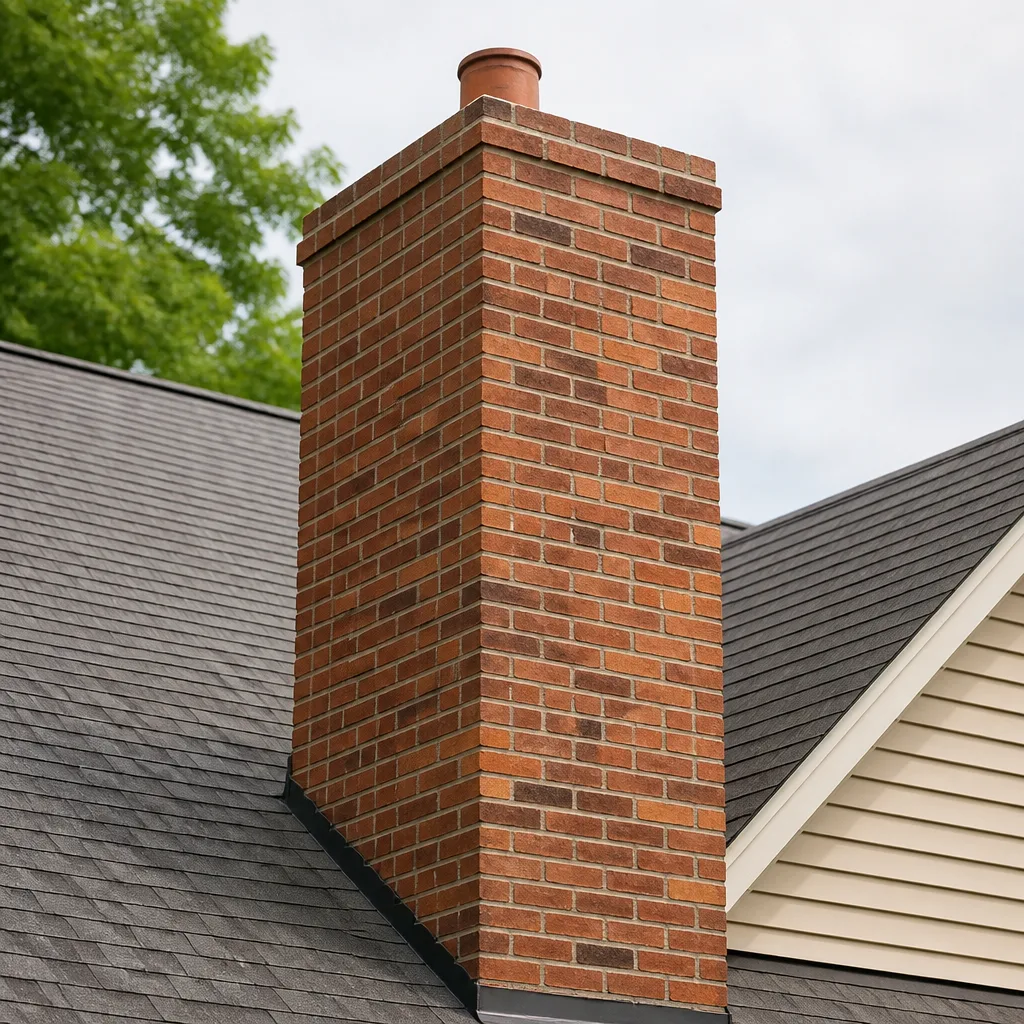
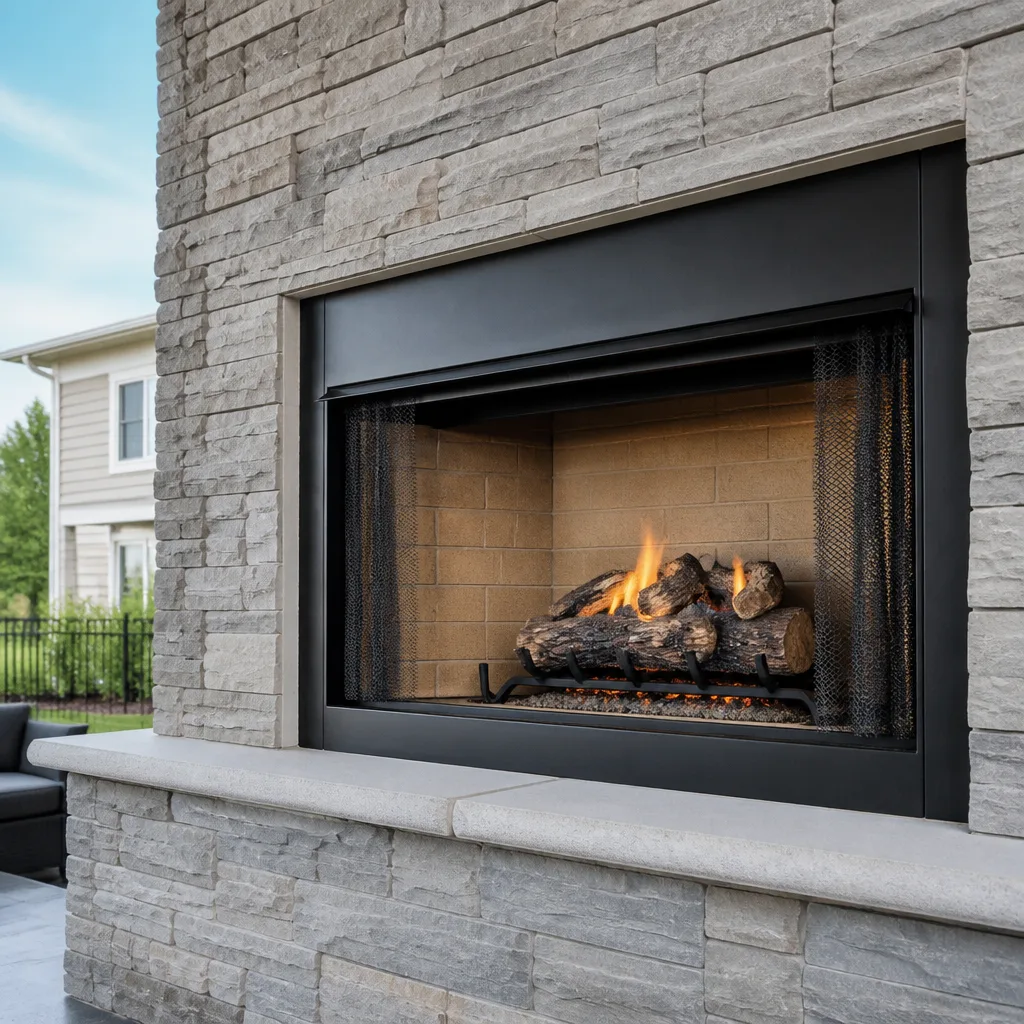
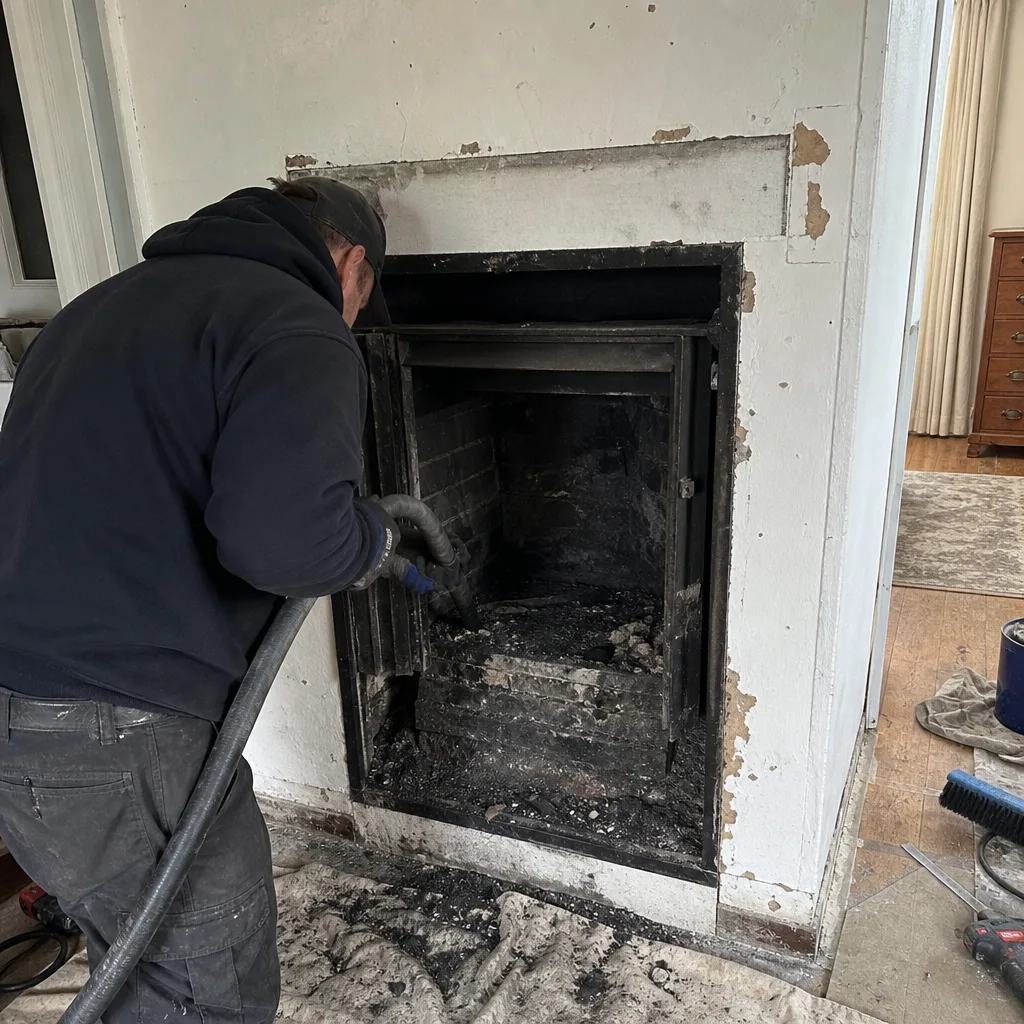 Before
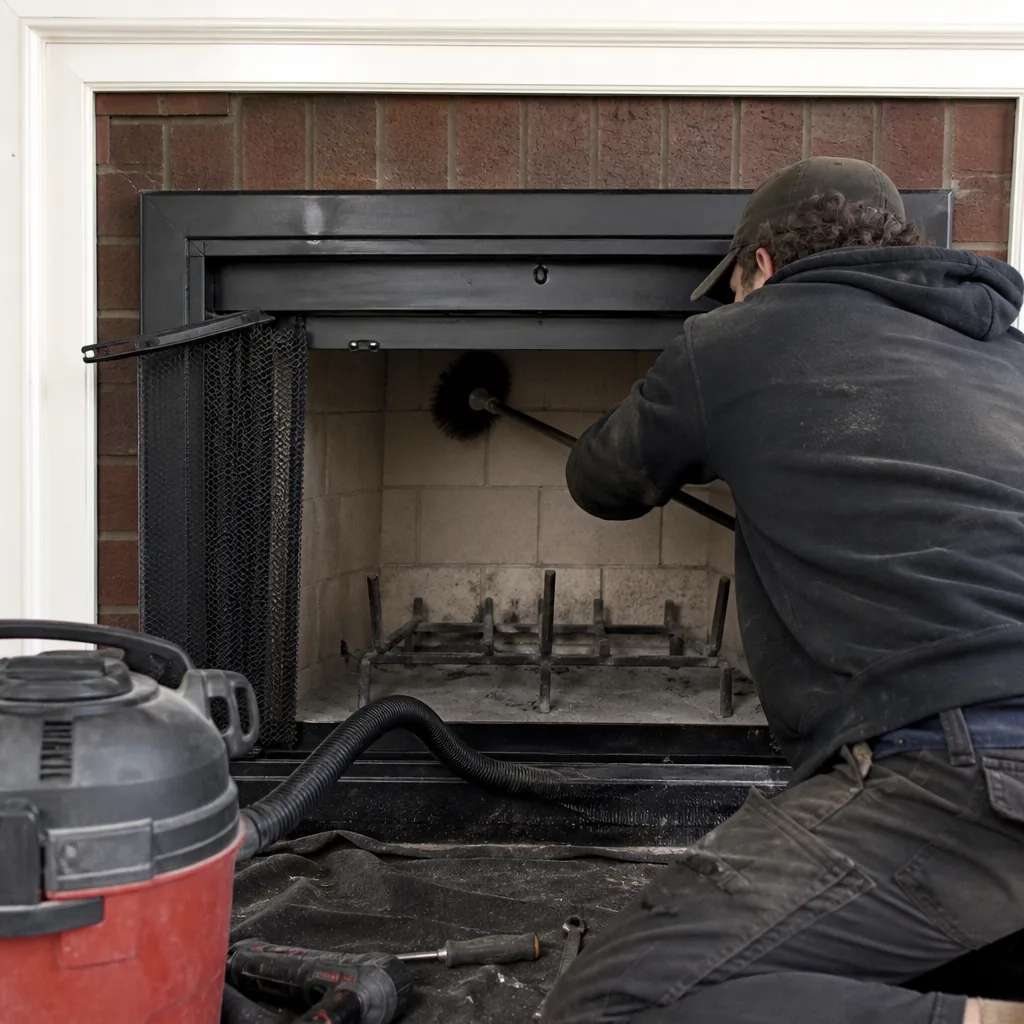 After
After Before
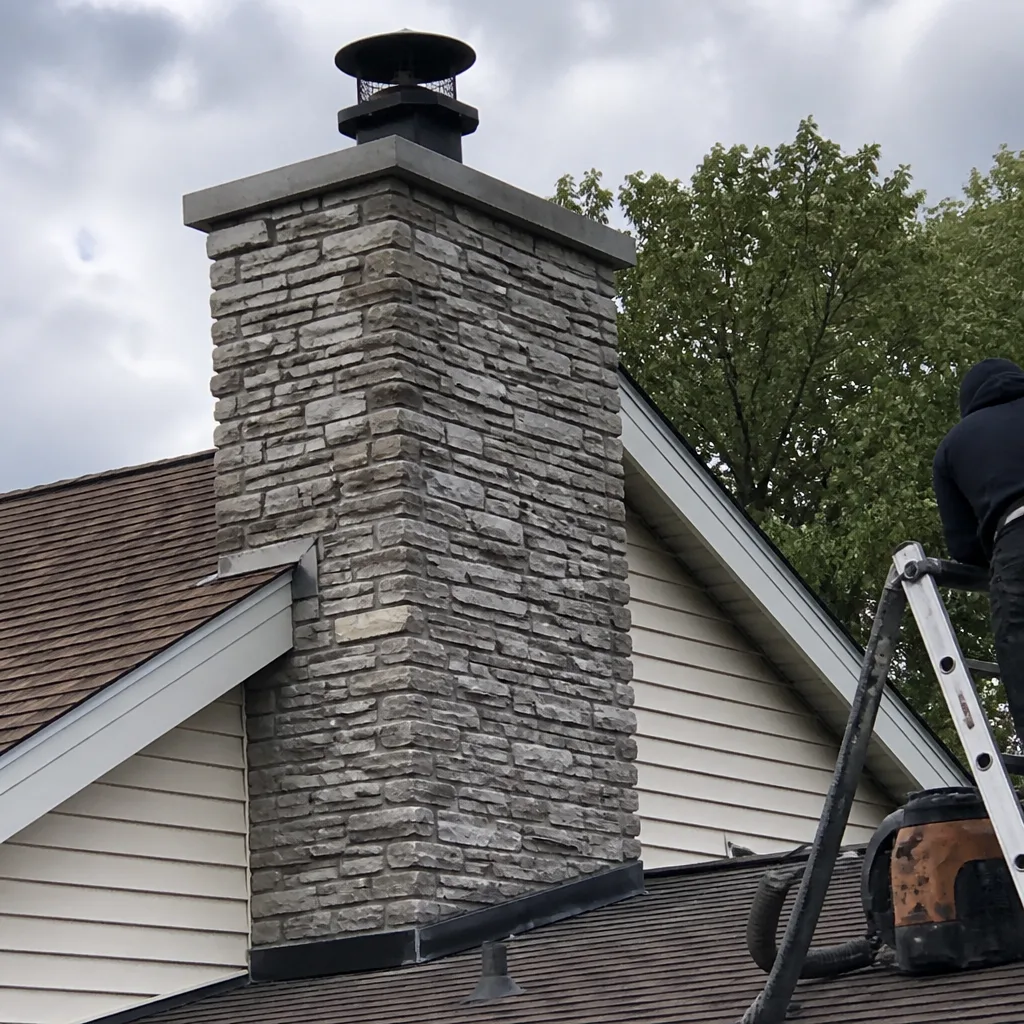 After
After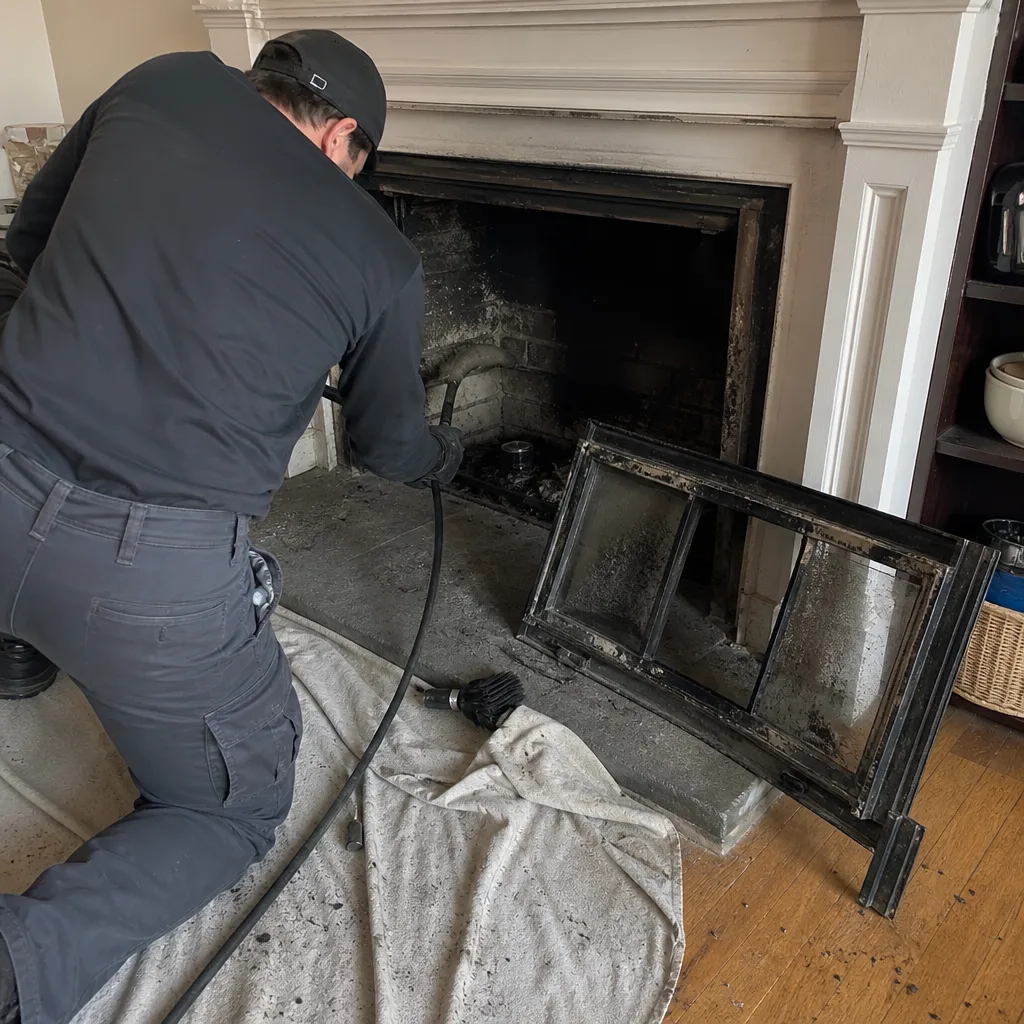 Before
 After
AfterHeatShield Chimney Cap Installation: The Ewing Owner’s Guide
HeatShield chimney cap installation in Ewing typically runs $340-$620 for most single-flue setups, including removal of the failed unit, flue-edge prep, and proper sealing. We stock HeatShield-compatible caps and mounting hardware on our trucks, and most replacements in Ewing and the surrounding townships are completed in one visit. If your cap is rattling in a March wind off the Delaware, staining the brick below, or letting water past the crown, the mounting flange or screen mesh has likely corroded past saving.
Which HeatShield Models This Applies To
HeatShield caps break down into two main lines: the original stainless-steel series with stamped model numbers (HS-8, HS-10, HS-12, etc.) that correspond to flue tile inside diameter, and the later CerFLEX-compatible caps designed to terminate relined systems. The critical gotcha is that a cap marked “HS-10” fits a 10-inch flue tile, but the actual outside dimension of that tile is closer to 11.5 inches. Measure the flue tile, not the old cap lid, or you’ll order wrong.
We carry both OEM HeatShield caps and equivalent-grade units from Gelco and Famco that match the 304 stainless spec and mesh gauge. For Ewing homes built in the 1960s and 70s near the Ewing Lawrence border, we often find original flue tiles that measure 8.5 inches, a half-size that HeatShield never catalogued. In those cases, we fabricate a custom skirt on-site rather than force a standard cap that won’t seat square. We’re an independent service provider, not affiliated with HeatShield, so our recommendation is based on what fits your flue, not what moves a particular SKU.
Signs Your HeatShield Chimney Cap Installation Is Failing
- Rust streaks down the chimney face. HeatShield caps use 304 stainless, but the spot-welded corners and mesh-to-frame joints are where chloride pitting starts first. In Ewing, road salt aerosol from I-295 and Route 31 accelerates this at the weld points. Once you see orange bleeding below the crown, the frame is compromised.
- Mesh screen pulling away from the frame. The spot welds fatigue from thermal cycling, especially if you burn regularly. Gaps let squirrels and starlings nest in the flue, and we’ve pulled nests from Ewing chimneys as late as December.
- Cap tilted or displaced after wind. The mounting flange bolts to the flue tile with stainless straps. If the tile itself has spalled (common in Ewing’s freeze-thaw cycles), the straps have nothing solid to grip. A tilted cap is a cap waiting to fall.
- Water in the firebox after heavy rain. The lid overhang is supposed to shed water past the crown. When the lid dents or the storm collar seal fails, water tracks down the flue wall. In older Ewing homes with original crowns, this is often the first symptom owners notice.
- Draft problems or smoke backup on startup. A collapsed mesh screen or dented lid can obstruct airflow enough to cause poor draw, especially on shorter chimneys common in the Briarcrest and Mountainview sections of Ewing.
Replacement Cost & What’s Included
For Ewing homeowners, installed HeatShield chimney cap replacement typically breaks down as follows:
- Standard single-flue cap (HS-8 through HS-12 equivalent): $340-$480
- Oversized or multi-flue cap: $480-$620
- Flue tile repair or strap anchoring (if needed): $85-$150 additional
- Custom skirt fabrication for non-standard flue: $120-$180 additional
What drives the range is condition of the flue edge and whether the crown needs minor sealing before the new cap mounts. We photograph everything, explain what we found, and agree on the total before we start. The price on the estimate is the price on the invoice. Every cap installation carries our 90-Day Done Right Promise, in writing, no arguing. If the seal fails or the cap shifts, we come back.
DIY or Call Us?
Here’s what you can safely check from the ground: binoculars will confirm if the cap is tilted, if mesh is missing, or if rust is visible. What you cannot safely do is climb to evaluate the flue tile edge or attempt to strap a new cap in place. The work requires proper roof access, fall protection, and the judgment to know whether the flue tile itself is sound enough to anchor to. We’ve seen DIY installs where the cap was level but the tile beneath it was cracked clean through, a fire and CO hazard the owner had no way to detect.
We’re background-checked, uniformed, and we carry the right ladders and anchors for Ewing’s varied roof pitches, from the shallow ranches near Parkway Village to the steeper colonials off Scotch Road. Most jobs finish in a single visit. Call (856) 388-5580 for a free estimate.
FAQs
A properly installed 304 stainless cap should last 15-20 years, but in Ewing’s climate, with freeze-thaw cycling and road salt exposure, we often see weld corrosion at 10-12 years. Mesh fatigue from regular burning can shorten that. Call (856) 388-5580 and we’ll assess what you’re working with.
Mesh can sometimes be re-welded and minor lid dents corrected, but once the frame corners pit through or the mounting flange cracks, replacement is the sound repair. We don’t charge to look, and we’ll show you photos so you can decide. Call (856) 388-5580 for a free estimate.
Most HeatShield chimney cap replacements in Ewing take 45 minutes to 90 minutes, assuming the flue tile edge is sound. If we need to repair spalled tile or fabricate a custom skirt, plan on two to three hours. Either way, it’s typically done in one visit.
We carry the common HS-series sizes and Gelco/Famco equivalents on every truck, along with custom skirt material and anchoring hardware. For rare or discontinued HeatShield models, we can usually source within 24-48 hours. Call (856) 388-5580 and we’ll confirm fit before we roll.
Written by Russell Haines, Owner, Hearthstone Chimney Co. at Hearthstone Chimney Co., serving Ewing and nearby areas.