
Level 1 sweep and inspection to the NFPA 211 annual standard - flue, crown, cap, and flashing checked and photographed
Chimney sweep logs do not sweep chimneys. They loosen some creosote - which then falls where a brush and vacuum still have to collect it.
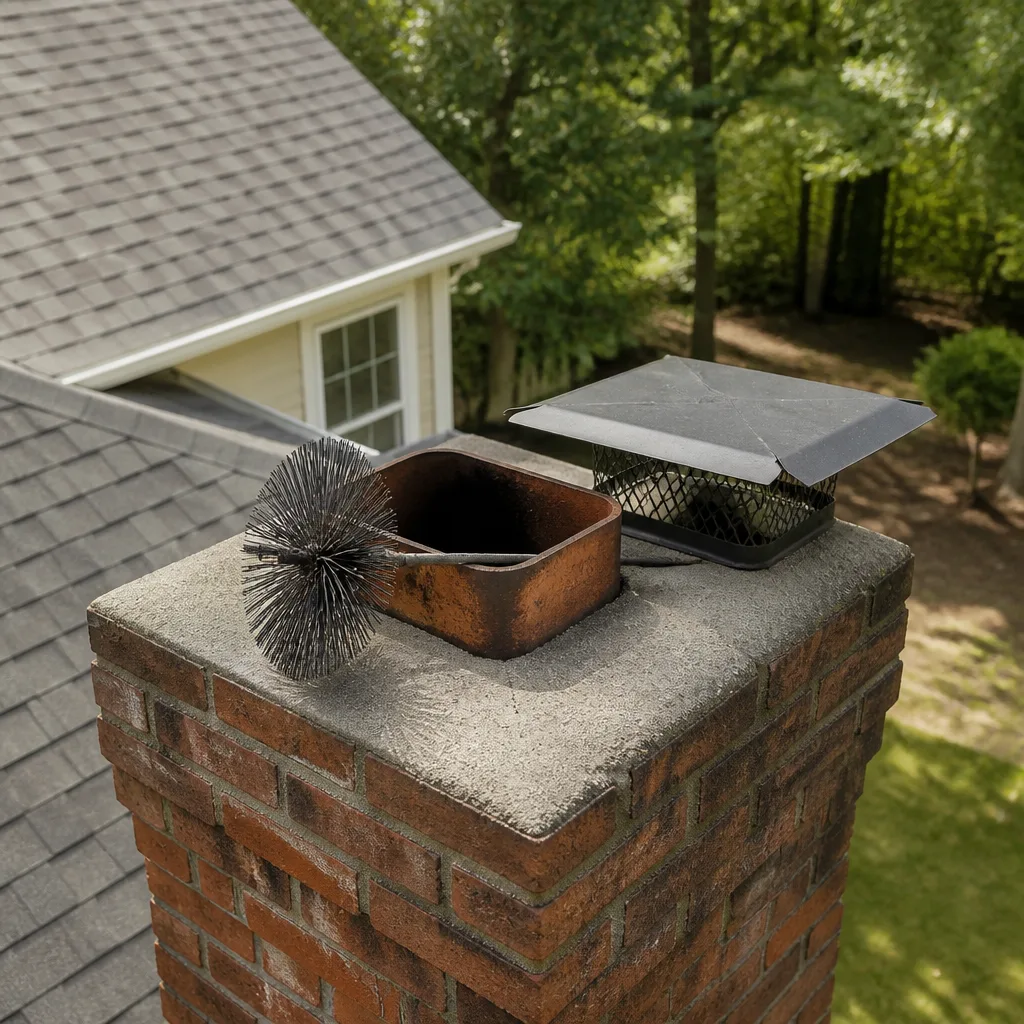

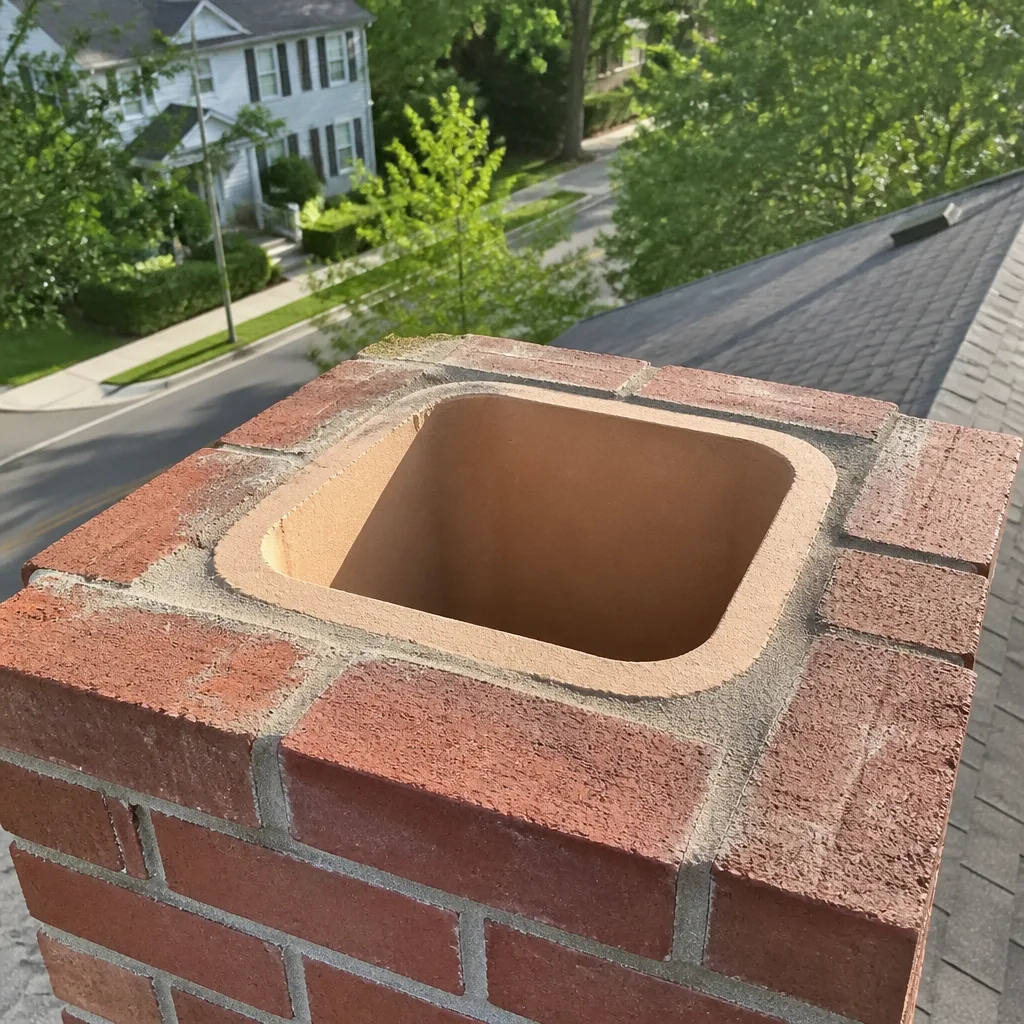
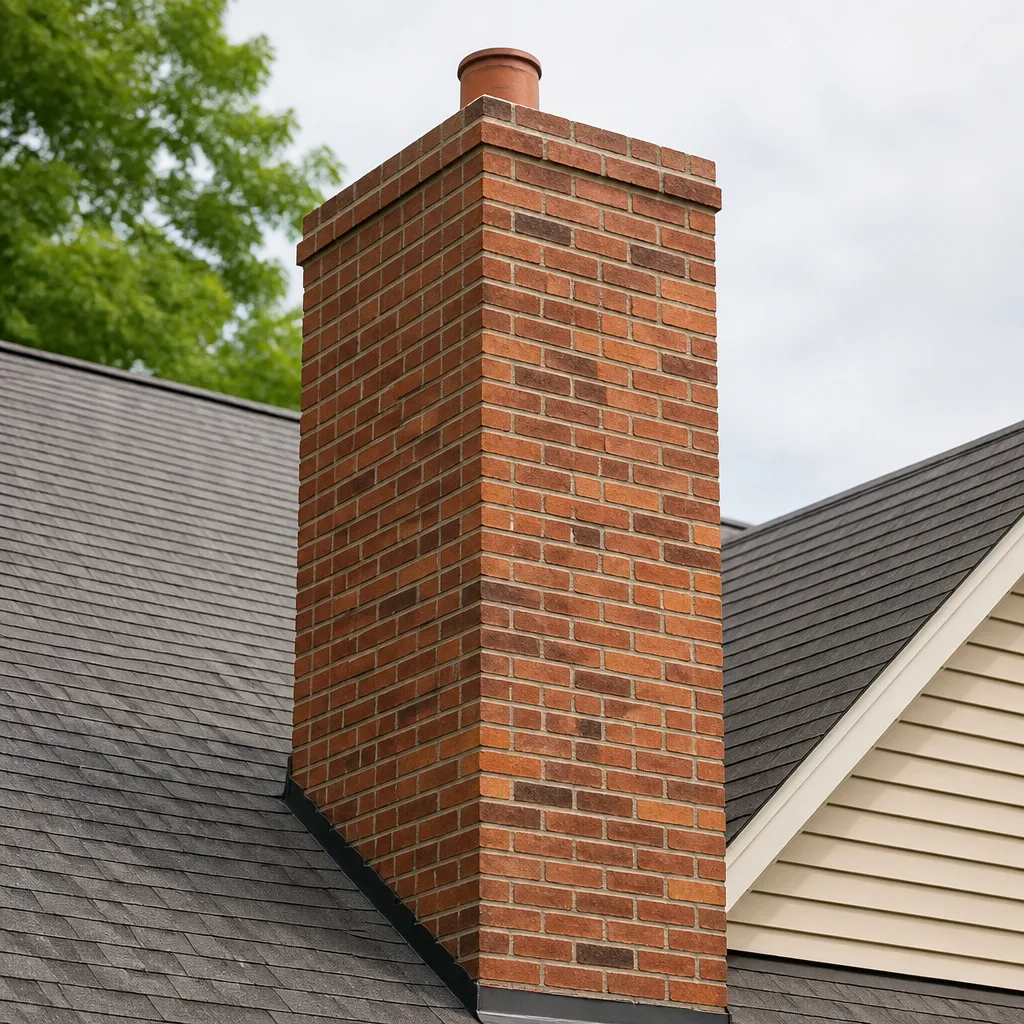
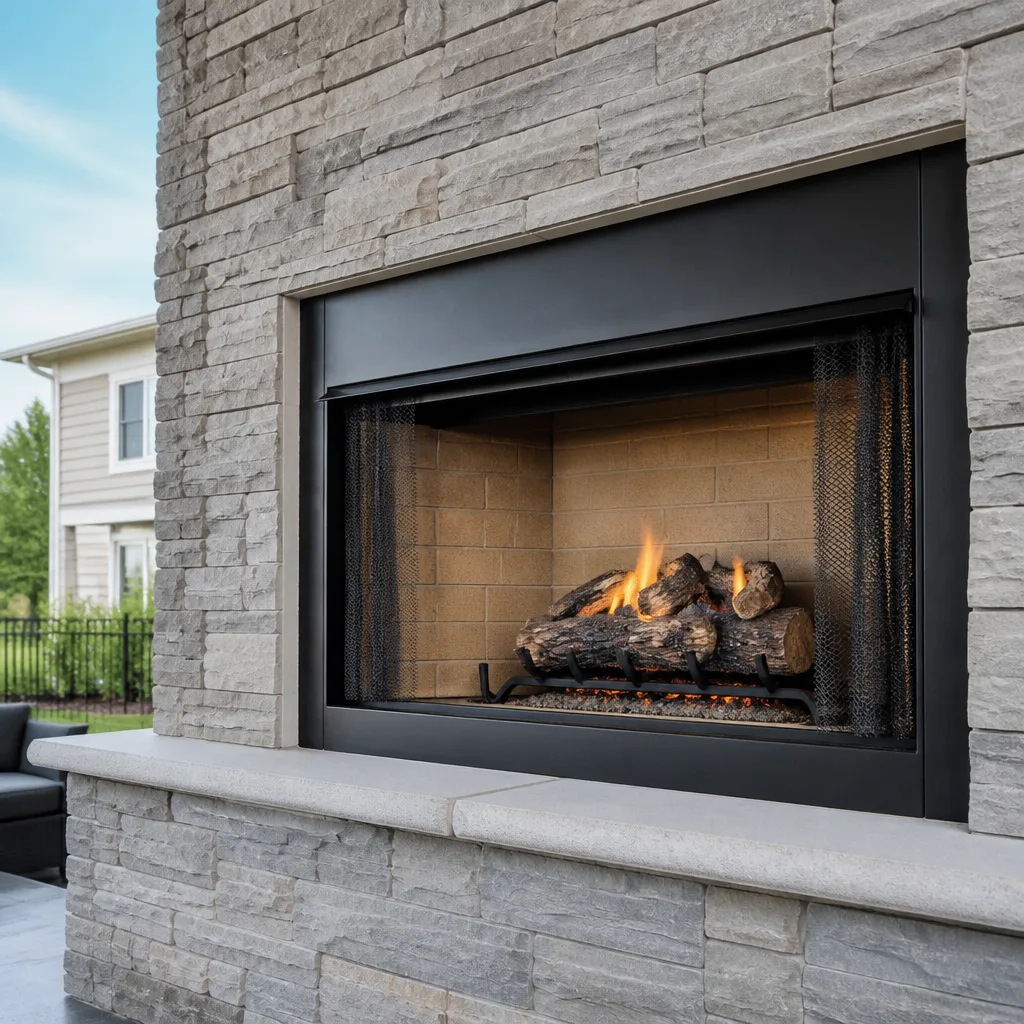
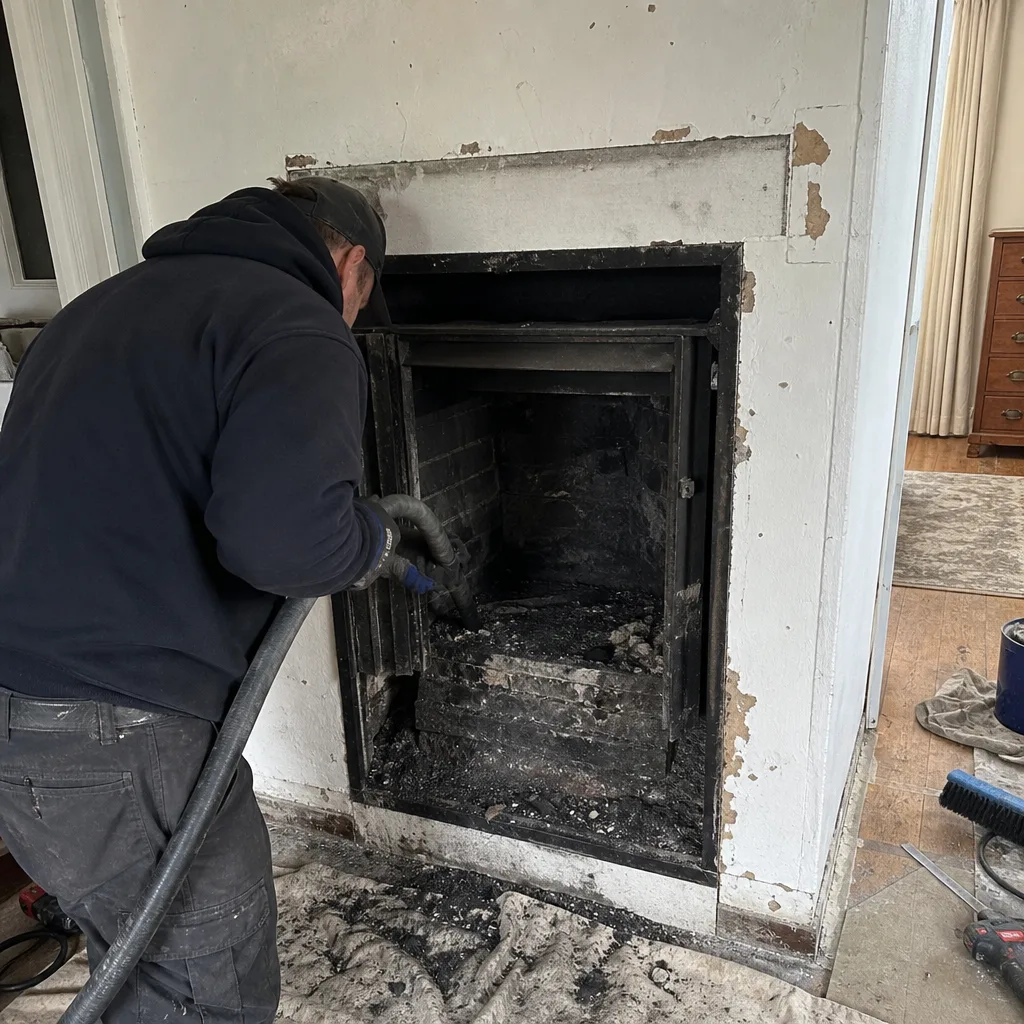 Before
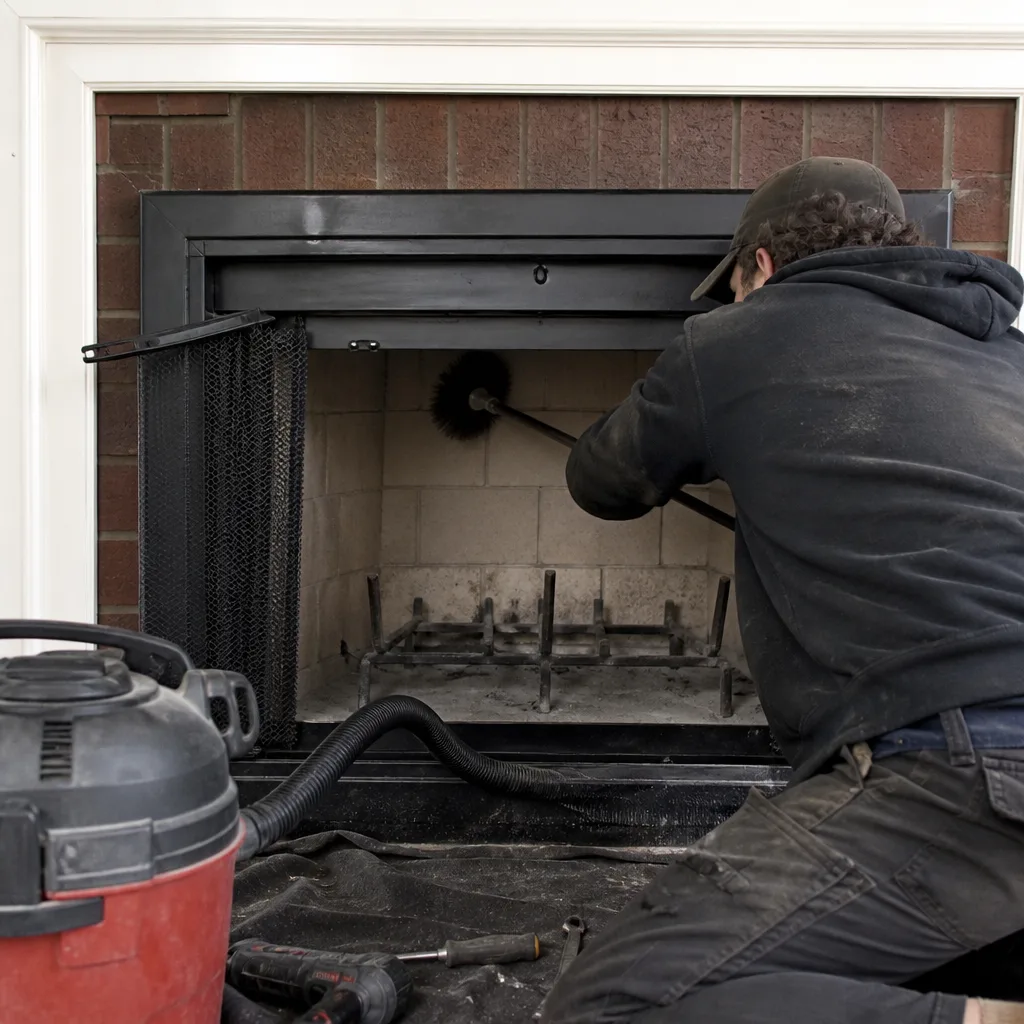 After
 Before
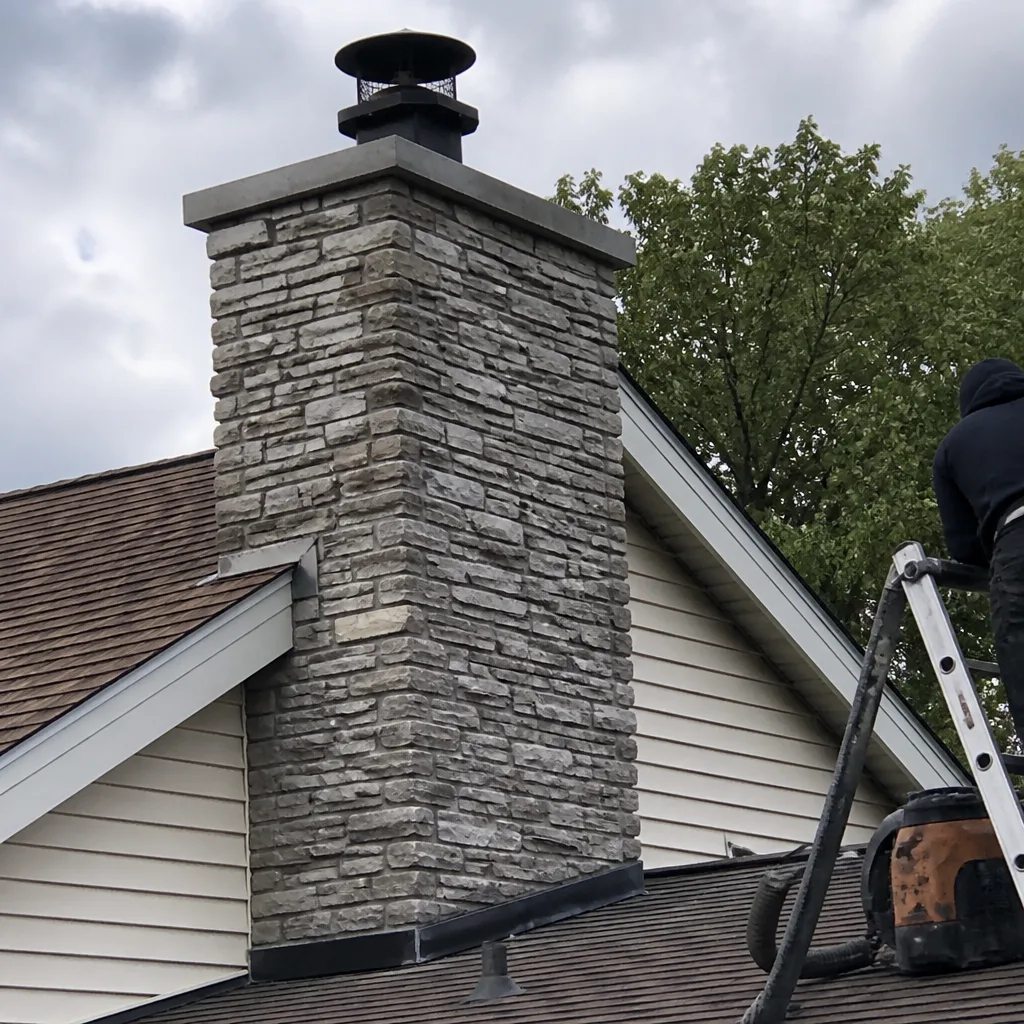 After
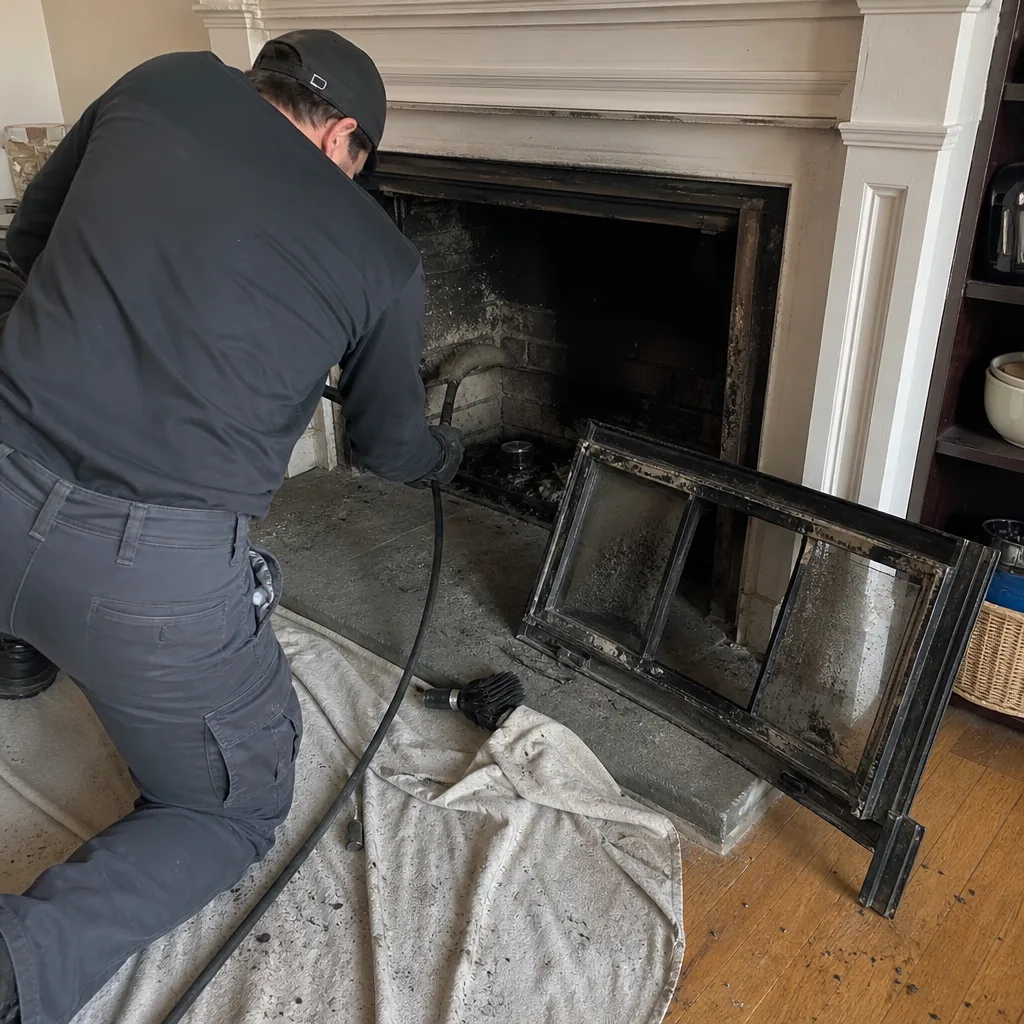 Before
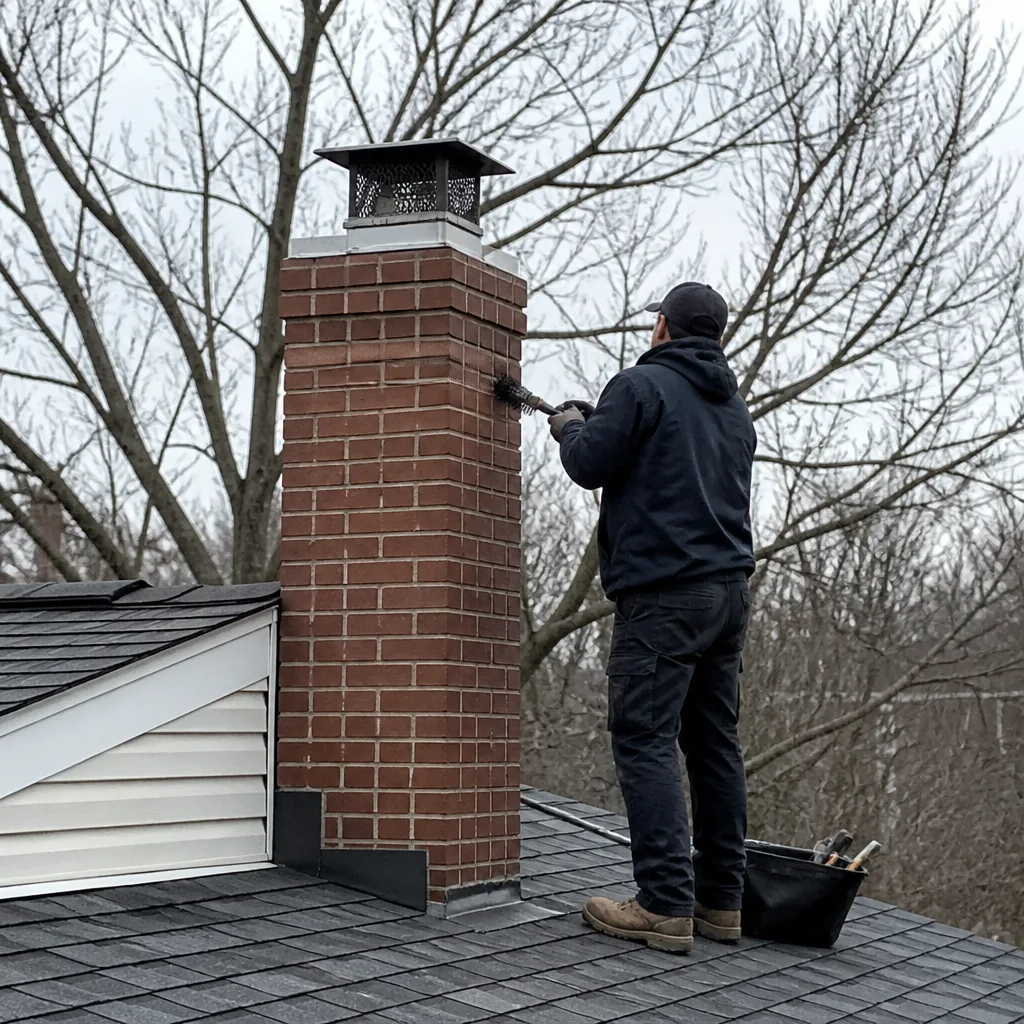 After
Creosote Removal in Ewing, NJ
Creosote removal in Ewing, NJ typically runs between $150 and $500 depending on how much buildup is present and which stage it has reached. Most single-family homes in Ewing need a standard sweep plus targeted creosote treatment once a year, and we complete the work in a single visit. If you’d rather talk through what your chimney needs before scheduling, call (856) 388-5580 - a live person picks up every time.
Creosote is the byproduct you can’t see until it becomes a problem. Every fire leaves behind some residue. Smoke carries unburned wood particles, condensed water vapor, and tar compounds up the flue, and when that smoke slows down or cools against the liner walls, those compounds stick. Over months and years they harden, layer on layer, into a substance that burns at temperatures above 2,000 degrees Fahrenheit. That’s not a metaphor for danger - that’s a chimney fire, and Ewing’s older housing stock, with its pre-1980 masonry flues and variable liner conditions, makes the risk more concrete than most homeowners expect.
At Hearthstone Chimney Co., we’ve been removing creosote from chimneys across Mercer County for over 42 years. Russell Haines built this company in 1984 on the idea that the work either gets done correctly or it doesn’t get done at all. That means we document what we find, explain it in plain English, and stand behind every job in writing through our 90-Day Done Right Promise. Our Chimney Cleaning & Sweep in Ewing service covers the full picture of flue health, and creosote removal sits at the center of it.
When You Need Creosote Removal
Creosote doesn’t announce itself. By the time a homeowner in Ewing notices something wrong, the buildup is often already in Stage 2 or Stage 3 - the stages where a standard wire brush won’t cut it. Here’s what to watch for:
- A black, flaky residue around the firebox opening. Light, papery flakes falling into the firebox are Stage 1 creosote. It’s the easiest kind to remove, but its presence means more is building up higher in the flue.
- A strong, sharp odor from the fireplace - especially in humid weather. Ewing summers are humid enough that moisture activates the tar compounds in creosote. If your fireplace smells like asphalt or burnt rubber on a July afternoon, that’s creosote talking. We see this frequently in homes along the Lawrence Brook corridor and in older neighborhoods near Pennington Road.
- Visible dark, shiny glaze on the flue tiles. Glazed Stage 3 creosote is hard, dense, and highly flammable. A wire brush passes right over it. Removing it requires chemical treatment - rotary cleaning tools and in some cases a chemical softening agent - before the flue is safe to use.
- Reduced draft or smoke backing into the room. Heavy creosote deposits narrow the flue opening. If your fireplace smokes more than it used to, restricted airflow from buildup is a common cause.
- It’s been more than a year since your last inspection. The National Fire Protection Association standard is one inspection per year for any actively used fireplace. In Ewing’s colder months, running a fireplace three or four nights a week from November through March puts you well past the threshold where annual service is justified.
- You’ve been burning unseasoned wood. Green or wet wood produces far more smoke and creosote than properly dried hardwood. If any of your wood this past season felt heavy or hissed in the fire, your flue likely has more residue than you’d expect.
Our Creosote Removal Process
We don’t do a quick Chimney Cleaning & Sweep and call it done. Creosote removal at Hearthstone follows a documented process because shortcuts in a flue create problems that show up six months later - and by then you may not connect the cause to the company that did the work. Our technicians are background-checked, uniformed, and trained to document what they find before they touch anything.
- Pre-service inspection with Level-2 camera imaging. Before any brush or chemical goes into the flue, we run a camera through it. You see what we see - photos of the liner condition, the creosote staging, and any cracks or damage present. This is the plain-English verdict step: we tell you exactly what stage the creosote is at, how far up it extends, and what removing it will require. No guesswork, no upselling conditions you can’t verify.
- Firebox and hearth protection. We lay drop cloths and seal the firebox opening before any cleaning begins. Forty-two years of service calls in homes like yours has taught us that homeowners remember the cleanup as much as the service itself. We leave the room the way we found it.
- Stage-appropriate mechanical removal. Stage 1 and light Stage 2 creosote comes off with professional rotary cleaning systems - more aggressive and more precise than the wire brushes used by one-truck operators. For thicker deposits, we use rotary tools matched to your flue liner dimensions, whether that’s a round clay tile, an oval liner, or a stainless steel insert.
- Chemical treatment for Stage 3 glazed creosote. Glazed creosote requires a two-step approach. We apply a professional-grade chemical agent - sourced through Copperfield, one of the industry’s most established supply lines - that modifies the hard glaze and makes it brittle enough to remove mechanically on the follow-up pass. In some cases this is done in a single visit; in others, the chemistry needs time to work and we schedule the mechanical removal separately. We’ll tell you which situation applies to yours before we start.
- Post-removal camera confirmation. Once the cleaning is complete, the camera goes back in. You see the before and after. If residue remains anywhere in the flue, we address it before we close up. This is what “done right” looks like in practice - not a technician’s word that it’s clean, but photos that show it.
- Written service summary and guarantee. Every job closes with a plain-English written summary of what we found, what we did, and what your flue looks like now. The 90-Day Done Right Promise is attached to every invoice. If something isn’t right within 90 days, we come back. No paperwork, no arguing - just the work corrected.
Creosote Removal Pricing in Ewing
Creosote removal in Ewing costs between $150 and $500 for most residential chimneys. The range is wide because the work varies significantly by creosote stage, flue length, and liner condition. Here’s how the numbers typically break down:
| Service | Typical Price Range |
|---|---|
| Standard sweep with Stage 1 creosote removal | $150 – $250 |
| Heavy Stage 2 creosote removal (rotary system) | $250 – $375 |
| Stage 3 glazed creosote – chemical treatment + mechanical removal | $375 – $500+ |
| Level-2 camera inspection (included with service, or standalone) | $125 – $200 |
| Follow-up visit for chemical treatment second pass | $100 – $175 |
A few things affect where your job lands in those ranges. Flue height matters – a two-story colonial in Ewing’s Elderberry neighborhood has a longer run than a ranch-style home near Olden Avenue, and more flue means more time. Liner condition matters too: a cracked or offset tile can make thorough cleaning slower and more precise work. And creosote staging is the biggest variable of all. Stage 1 is a straightforward sweep. Stage 3 requires chemistry, multiple passes, and a Level 2 Inspection with second camera confirmation.
We offer upfront pricing before any work begins. The number on the estimate is the number on the invoice – that’s not a marketing line, it’s how we’ve run jobs since 1984. We also offer $50 Off Any Repair Over $250 and a permanent 5% discount for seniors and veterans. If you have a written estimate from another company and want a second set of eyes on it, our Free Second Opinion offer applies with no obligation.
For an exact quote on your chimney, call (856) 388-5580. Estimates are free, and we can usually schedule within a few days.
Why Ewing Homeowners Choose Hearthstone
Ewing’s housing stock tells a specific story. A large share of the township’s single-family homes were built between the 1940s and 1970s, which means a lot of original masonry fireplaces with clay tile liners that have now seen fifty or sixty years of use. Clay tile is durable, but it’s not immune to the freeze-thaw cycles that hit Mercer County hard every winter, and it’s not immune to the heat stress of a chimney fire. We see offset tile joints, hairline cracks, and mortar deterioration regularly in Ewing homes – particularly in the sections near Mountainview Road and the older streets around Ewingville. None of that is catastrophic when it’s found early. All of it gets worse if creosote is allowed to build up against a compromised liner.
Russell Haines has been in these chimneys for decades. When he says a flue is clean, it’s because there are photos showing it’s clean. That’s not a posture – it’s just how the work is documented now, and it’s why the 90-Day Done Right Promise means something. You can call us ninety days after the job and describe a problem, and we’ll come look at it. No arguing about whether it was our fault. We come back and we sort it out.
We use professional-grade materials when the job calls for them. Chimney tools and specialty chemicals sourced through Copperfield and Olympia Chimney aren’t the builder-grade equipment that shows up in big-box contractor supply runs. They’re what working sweep professionals use because they’re more effective, they last longer, and they don’t create new problems while solving old ones. That matters when you’re working inside a flue where the consequences of a failed repair aren’t visible until there’s smoke in the living room or worse.
FAQs – Creosote Removal in Ewing
Is creosote removal the same as a chimney sweep?
Not exactly. A chimney sweep removes soot, light ash, and Stage 1 creosote through standard mechanical brushing – it’s the annual maintenance most chimneys need. Creosote removal becomes a distinct service when buildup has reached Stage 2 or Stage 3, requiring rotary cleaning systems, chemical treatment, or both. Many chimney companies will sweep a flue with Stage 3 glazed creosote, collect the fee, and leave the hazard behind because standard sweep tools don’t touch the glaze. We inspect with a camera first so we know exactly what stage we’re dealing with before the brush goes in. Call (856) 388-5580 if you’re not sure what your flue needs – we can usually tell you a lot just from a few questions about your fireplace use.
How much does creosote removal cost in Ewing, NJ?
Creosote removal in Ewing runs $150 to $500 for most residential chimneys, depending on the creosote stage and flue conditions. Stage 1 removal as part of a standard sweep is on the lower end; Stage 3 glazed creosote treatment with chemical agents and multiple visits can reach or exceed $500. Upfront pricing means you’ll know the number before we start. Call (856) 388-5580 for a free estimate specific to your home.
Can I use my fireplace if I have creosote buildup?
Stage 1 creosote – the light, flaky kind – means you should schedule a Fireplace Cleaning soon but doesn’t necessarily require you to stop using the fireplace today. Stage 2 or Stage 3 buildup is a different situation. Glazed or thick creosote has ignition temperatures that a normal fire can reach, and a chimney fire in an older Ewing home with a clay tile liner can crack the flue and spread heat into adjacent framing. We’d advise against using the fireplace until a professional has assessed the stage. If you have any doubt, the safe answer is to stop burning until we’ve had a look.
How often does creosote need to be removed?
Once a year is the right baseline for most Ewing homeowners who use their fireplace regularly through the winter. If you’re burning three or four times a week from November through March, annual service keeps buildup in the manageable Stage 1 range. If you’ve skipped a season or two, or if you’ve been burning green wood, you may be dealing with Stage 2 already – a Level 1 Inspection with a camera will show the actual condition rather than guessing. The NFPA recommends annual inspections for all chimneys in active use, and that’s the standard we follow.
Key Takeaways
- Creosote removal in Ewing costs $150 to $500 depending on the stage and flue conditions.
- Stage 3 glazed creosote requires chemical treatment – a wire brush won’t remove it safely.
- Hearthstone uses Level-2 camera inspection before and after every job so you see the actual condition of your flue.
- Most jobs are completed in a single visit; the 90-Day Done Right Promise covers all work in writing.
- Ewing’s older masonry chimneys – particularly in neighborhoods near Pennington Road, Ewingville, and Mountainview Road – warrant annual inspection given the age of the clay tile liners.
- Upfront pricing means the estimate number is the invoice number, no exceptions.
Schedule Creosote Removal in Ewing
If your fireplace has a smell you can’t place, a flue that’s gone more than a year without service, or visible dark residue around the firebox, it’s worth a phone call. We’ve been serving Ewing and the surrounding communities since 1984, and the work we do is backed in writing. Call (856) 388-5580 to schedule a free estimate. A live person answers every call, any day, any hour. We’ll tell you what we find, show you the photos, and give you a straight answer about what your chimney needs.
Written by Russell Haines, Owner at Hearthstone Chimney Co., serving Ewing.