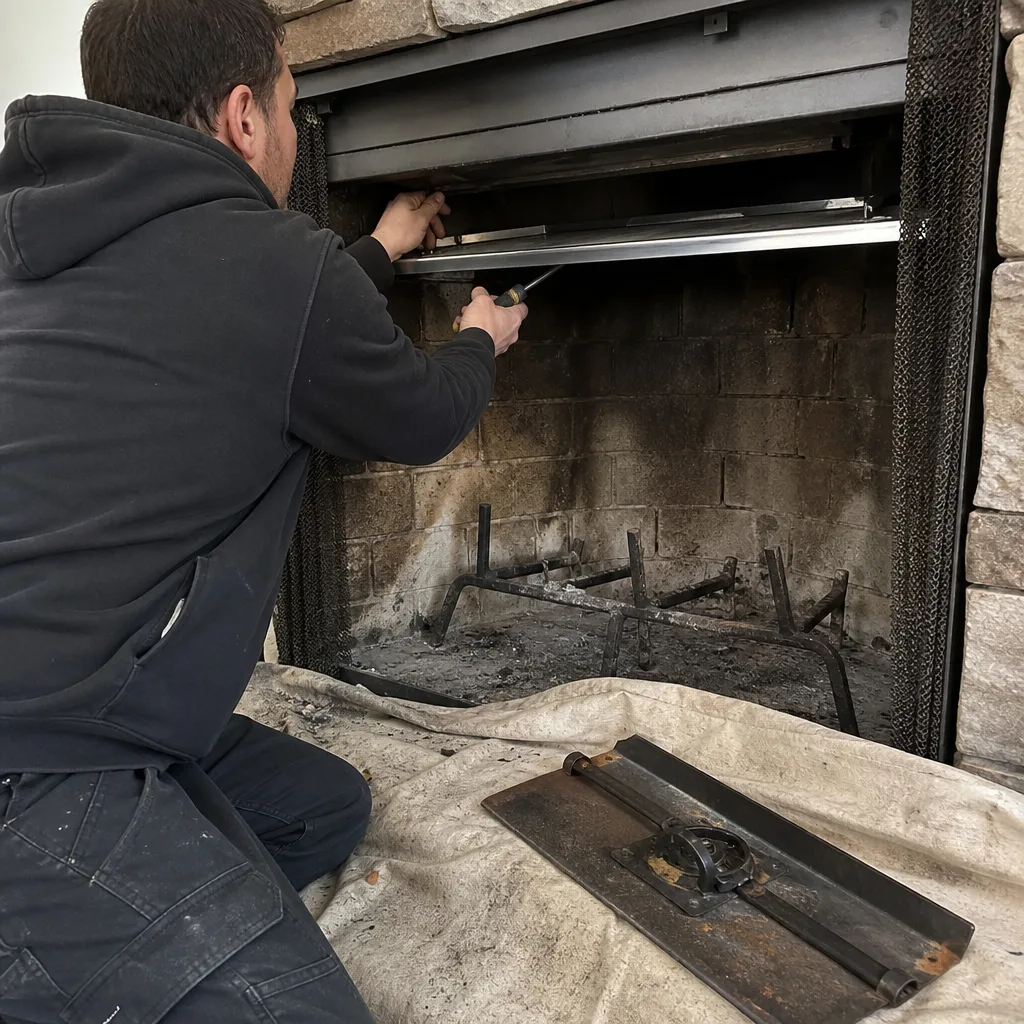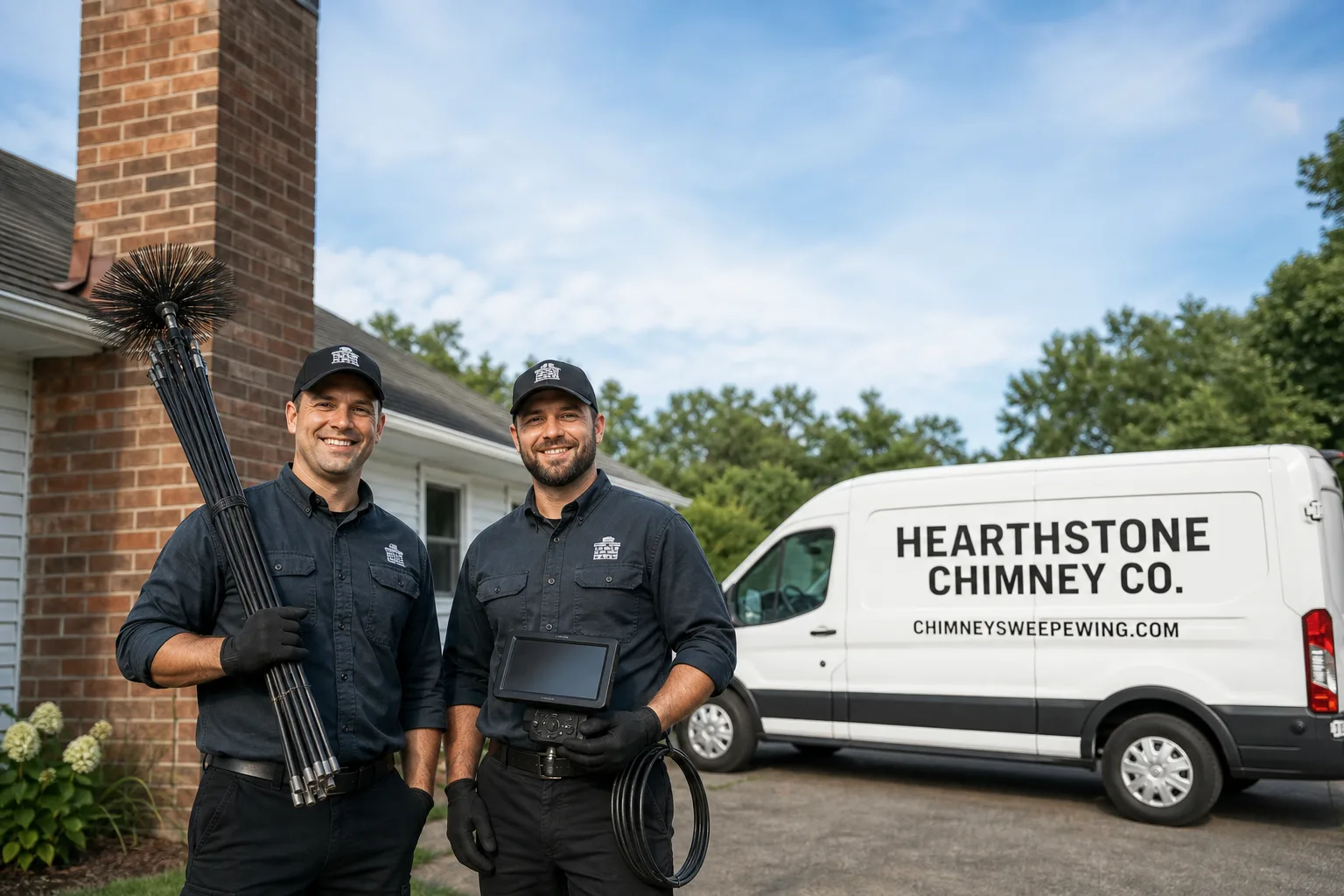
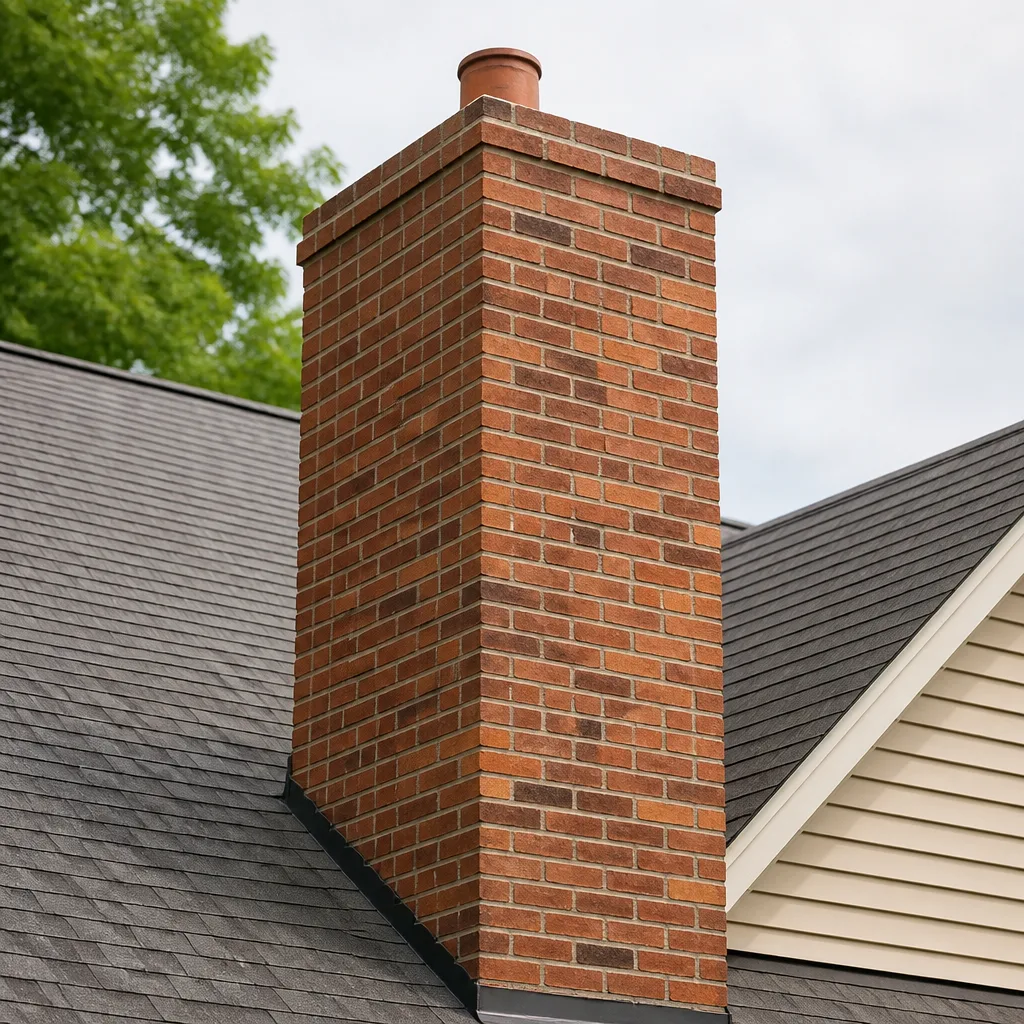
Level 1 sweep and inspection to the NFPA 211 annual standard - flue, crown, cap, and flashing checked and photographed
Chimney sweep logs do not sweep chimneys. They loosen some creosote - which then falls where a brush and vacuum still have to collect it.
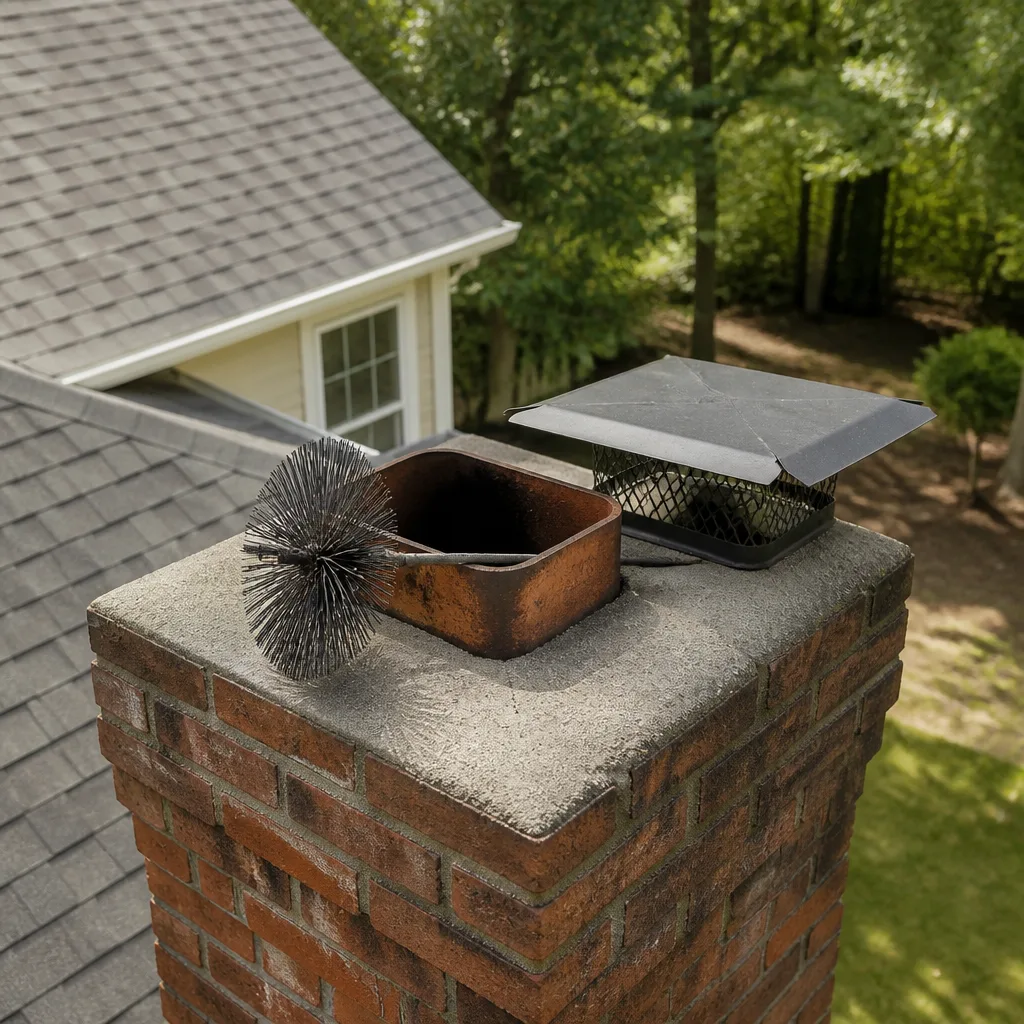

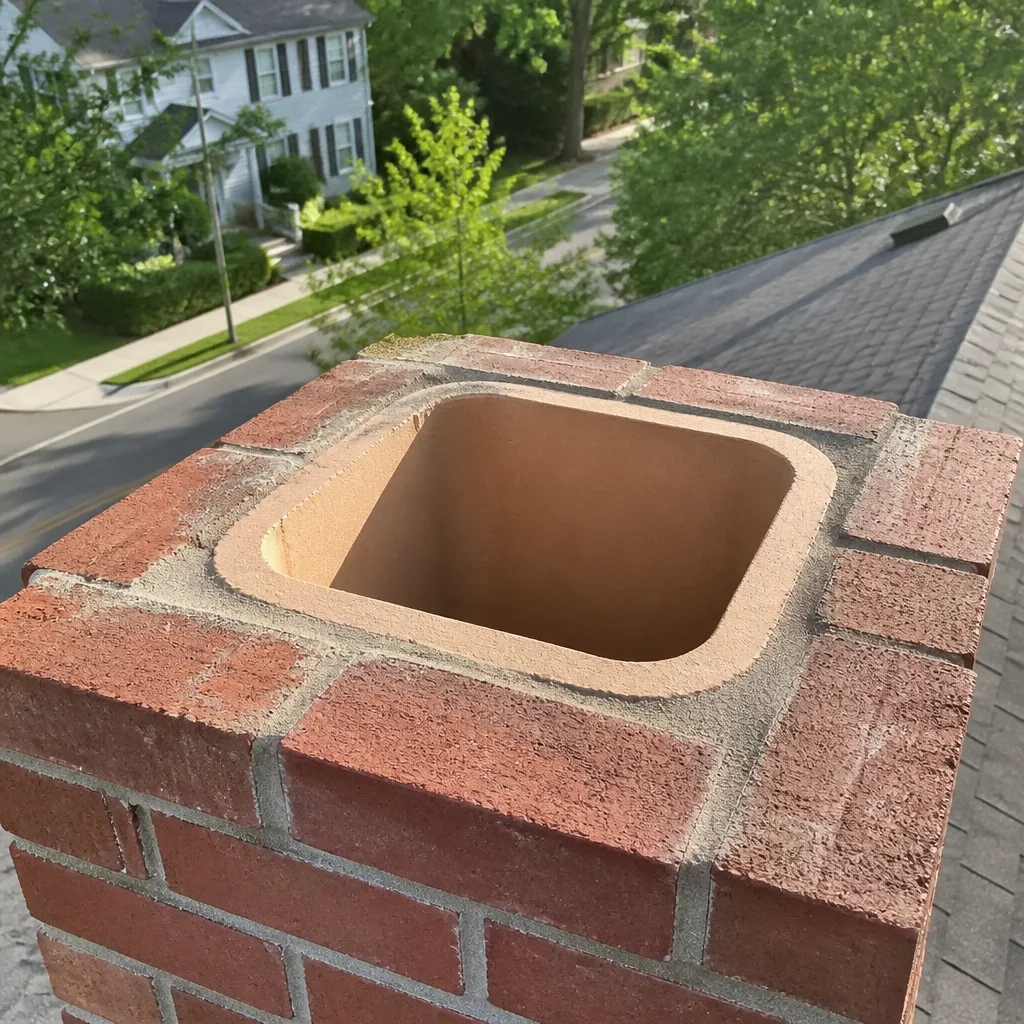
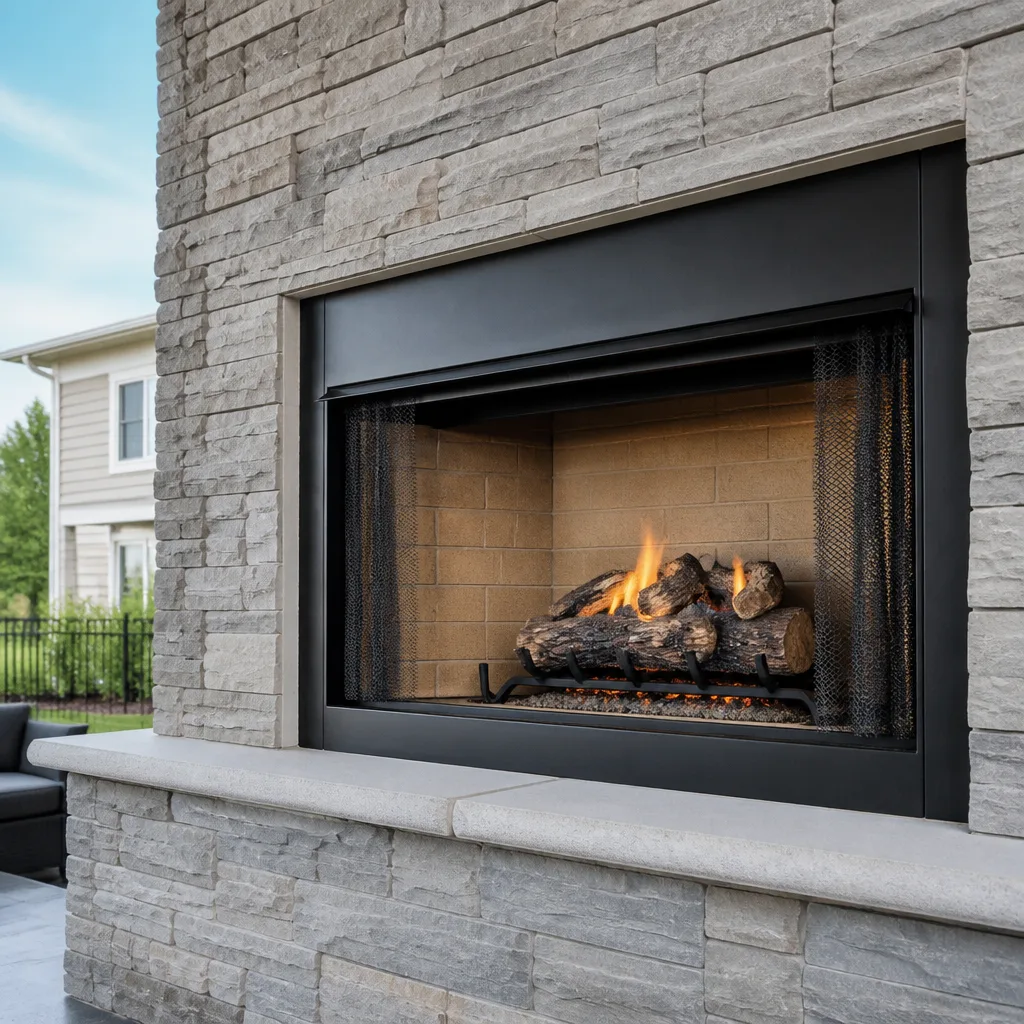
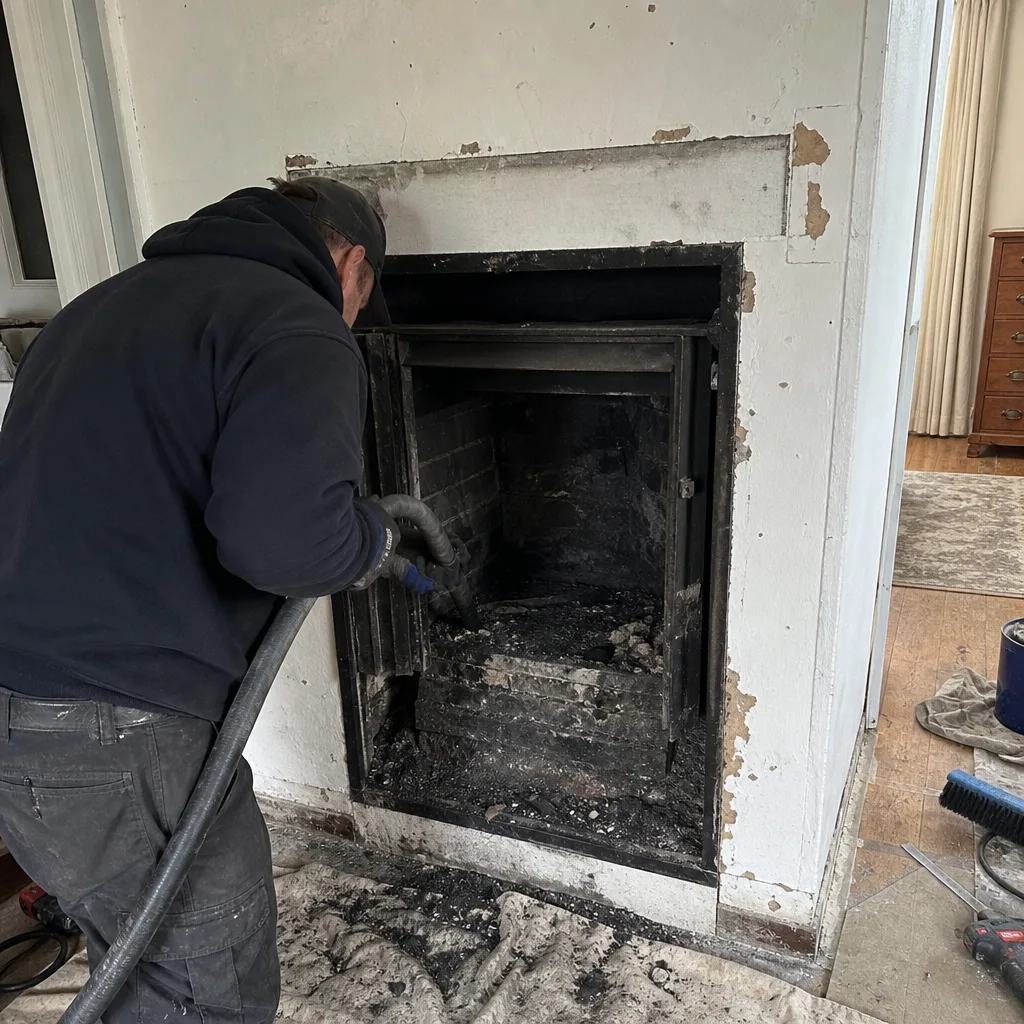 Before
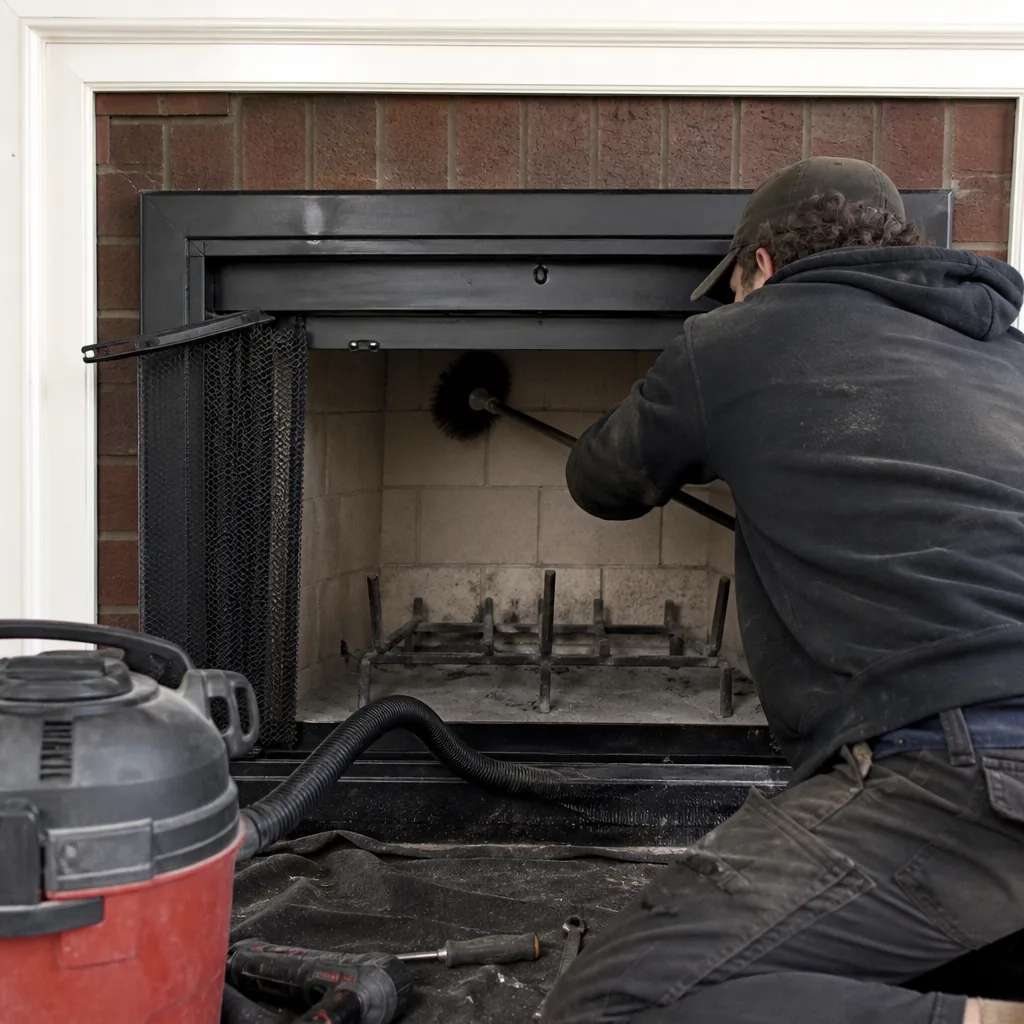 After
After Before
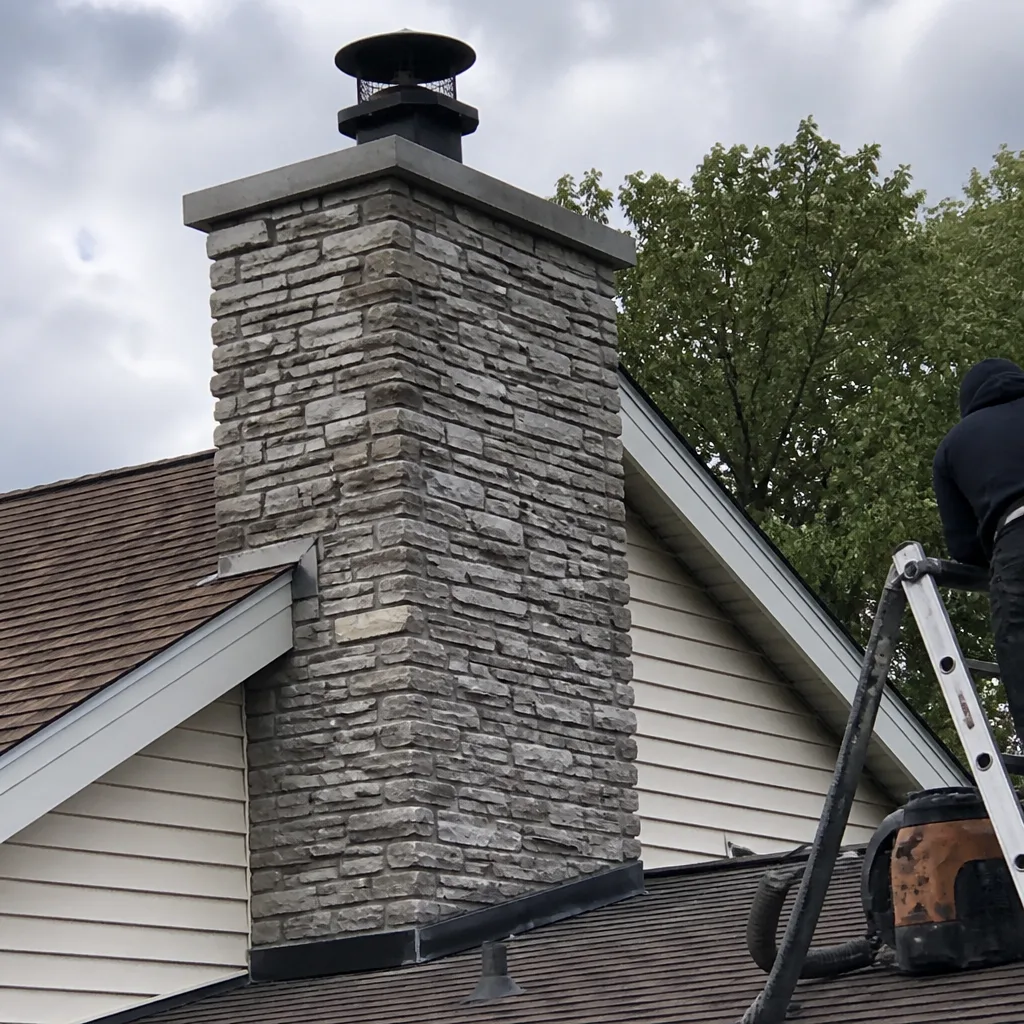 After
After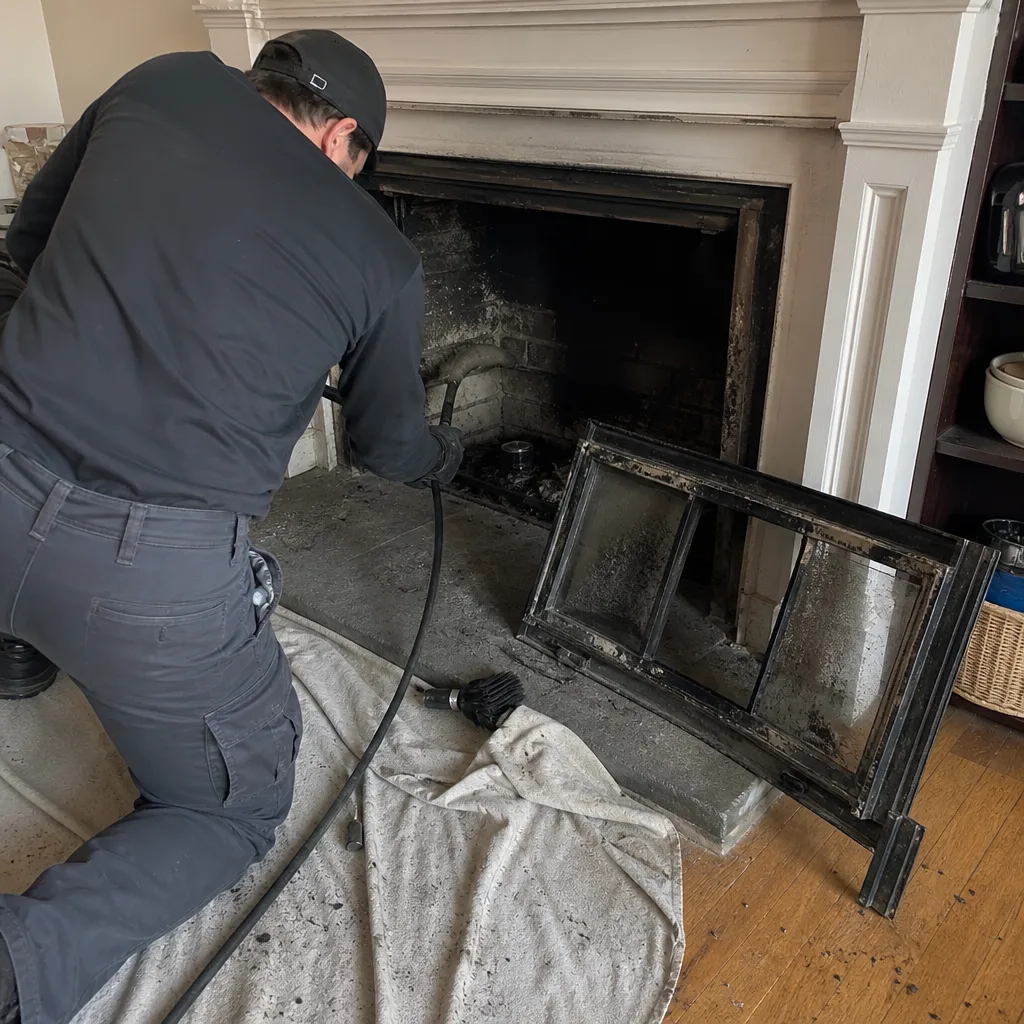 Before
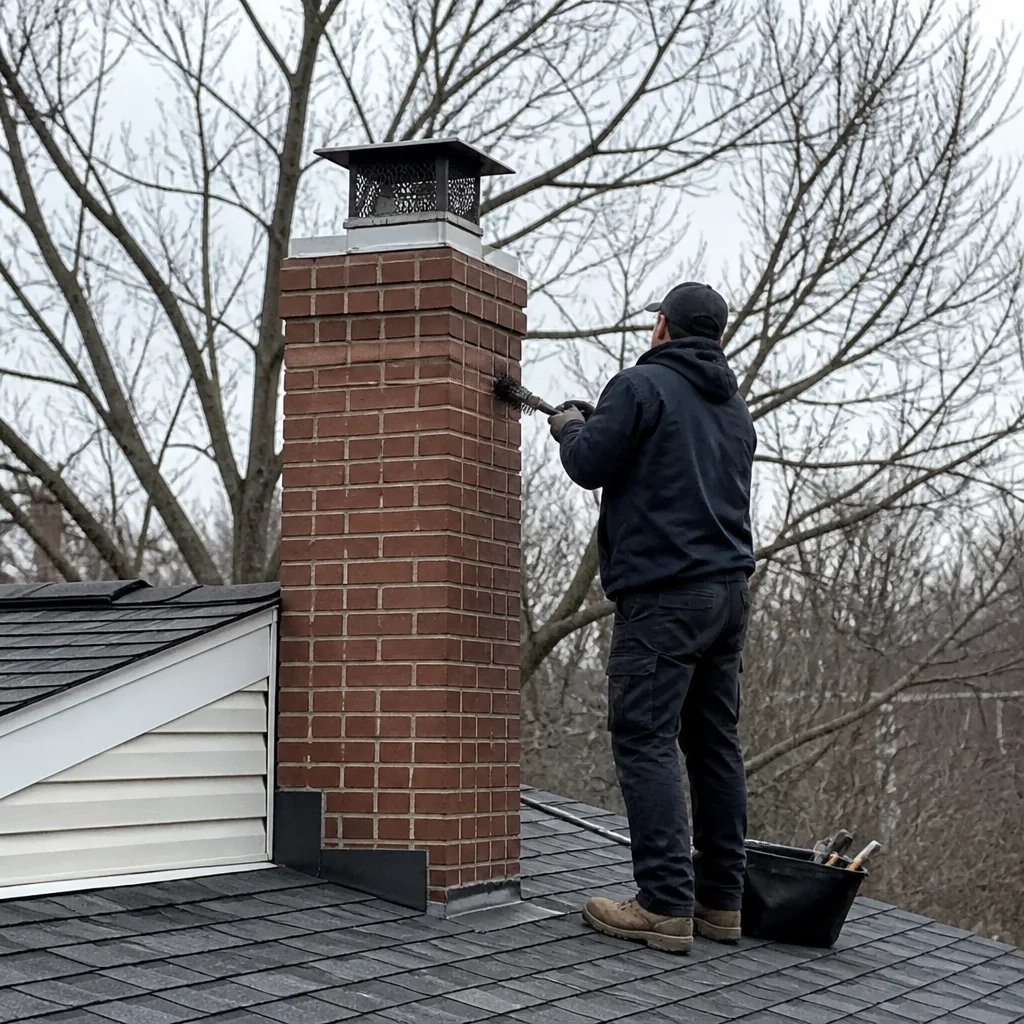 After
AfterFast, Reliable Fireplace Services Across Delaware
Fireplace service in Delaware, NJ typically runs $180-$450 depending on whether you need a basic sweep, insert reconnection, or firebox repair, and most jobs are completed in a single visit. Because most properties here sit off the natural gas grid, wood and pellet stoves function as primary heat sources rather than ambiance, which means heavier creosote loading and a shorter safe sweeping interval than gas-served suburbs. We’ve been answering calls with a live person 24 hours a day for over 42 years, and our crews serve Delaware directly from our regional dispatch office. If your farmhouse chimney is smoking back or your insert won’t draft on cold mornings, call (856) 388-5580 for a free estimate and a Level-2 camera inspection with photos you can see.
What happens when you call
- 1
A real person answersNo phone trees - you reach a local pro.
- 2
You get an upfront price rangeHonest numbers before anyone is dispatched.
- 3
A background-checked tech heads outLicensed & insured, dispatched right away.
- 4
You approve before work beginsNothing starts until you say go.
Why Hearthstone Chimney Co. Is Delaware’s Preferred Fireplace Services Company
We know Delaware’s chimneys because we’ve been working on them for decades. The 18th- and 19th-century fieldstone and brick farmhouses that dominate Warren County present problems you don’t find in tract developments - original flues sized for open hearths, improvised stove connections from conversions done in the 1970s, and freeze-thaw damage along the Delaware River valley that spalls brick and opens mortar joints our technicians spot before they become leaks.
Our customers here tend to be long-term homeowners, not flippers. They call rather than click, and they’ve been burned by contractors who disappeared or upsold work that wasn’t needed. We answer the phone with a live person, 24 hours a day, 7 days a week - no voicemail, no callback queue. Our background-checked, uniformed technicians arrive when we say they will, document every inspection with photos and a plain-English verdict, and back every job with the 90-Day Done Right Promise in writing. No arguing. If it’s not right, we make it right.
Dispatch and scheduling for Delaware are coordinated from our New York City office, but the crews that arrive at your door know the difference between a pre-liner-era fieldstone chimney and a modern masonry flue. They carry professional-grade materials from brands like Olympia Chimney and Gelco, and most repairs are completed in a single visit with no-hassle upfront pricing - the number on the estimate is the number on the invoice.
Our Fireplace Services in Delaware
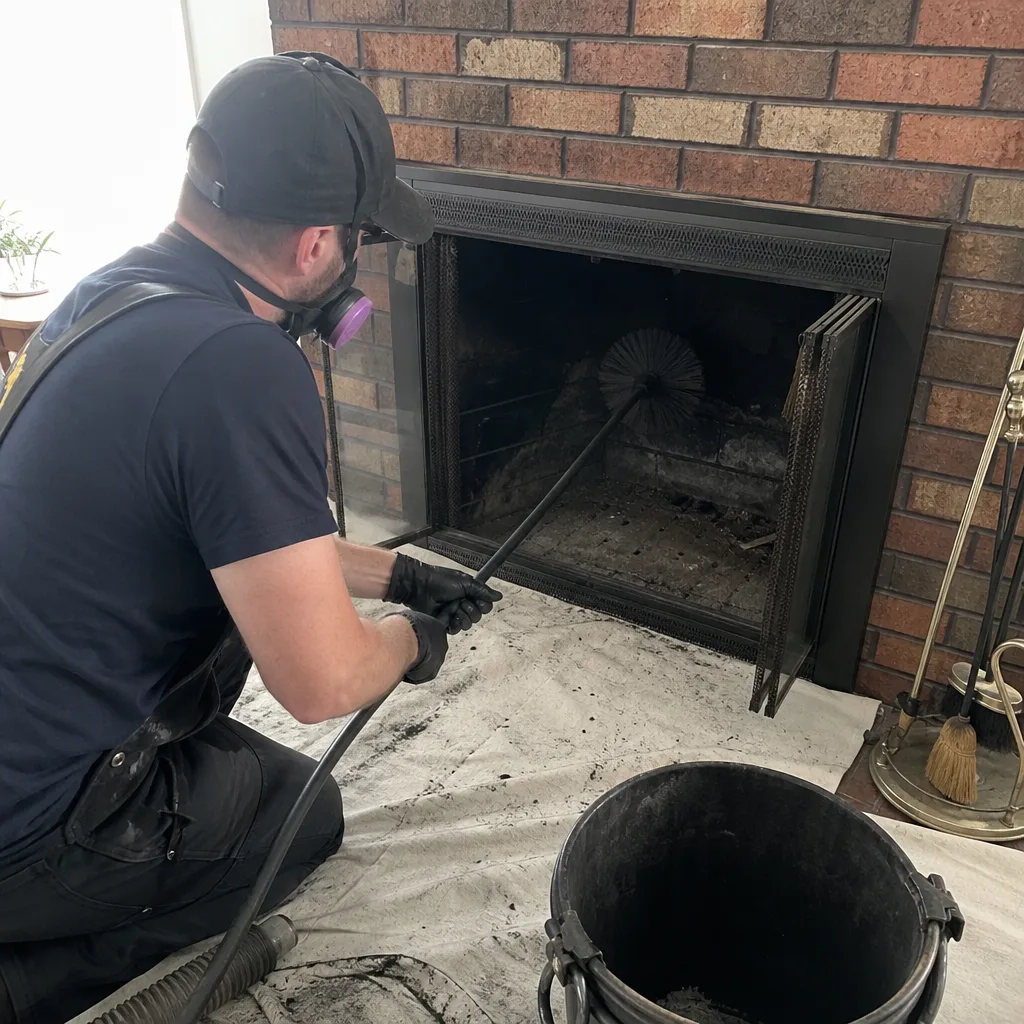
Wood Burning Fireplace Service
Wood heat is not decorative in Delaware - it’s functional necessity. Because most properties lack natural gas service, fireboxes here run hot and long through Hunterdon and Warren County winters, which means Stage 2 and Stage 3 glazed creosote shows up on a 12-month cycle instead of the 2-3 year interval typical of gas-served suburbs. We perform Level-2 camera inspections to document buildup, sweep to NFPA 211 standards, and give you a plain-English verdict on whether your flue is safe for another season. If we find third-degree glaze, we’ll show you the photo and explain why a rotary cleaning or chemical treatment is necessary before you light another fire.
Gas Fireplace Service
While fewer Delaware homes have gas fireplaces than wood stoves, propane-fueled inserts and direct-vent units are increasingly common in properties where oil or propane delivery is the alternative to wood. We service gas valves, pilot assemblies, and venting systems, and we check for proper draft and combustion air supply. Even gas units need annual inspection - a cracked heat exchanger or blocked vent can dump carbon monoxide into your living space without warning. We don’t sell scare stories, but we do document what we find with photos and tell you plainly whether the unit is safe to operate.
Fireplace Insert Installation & Reconnection
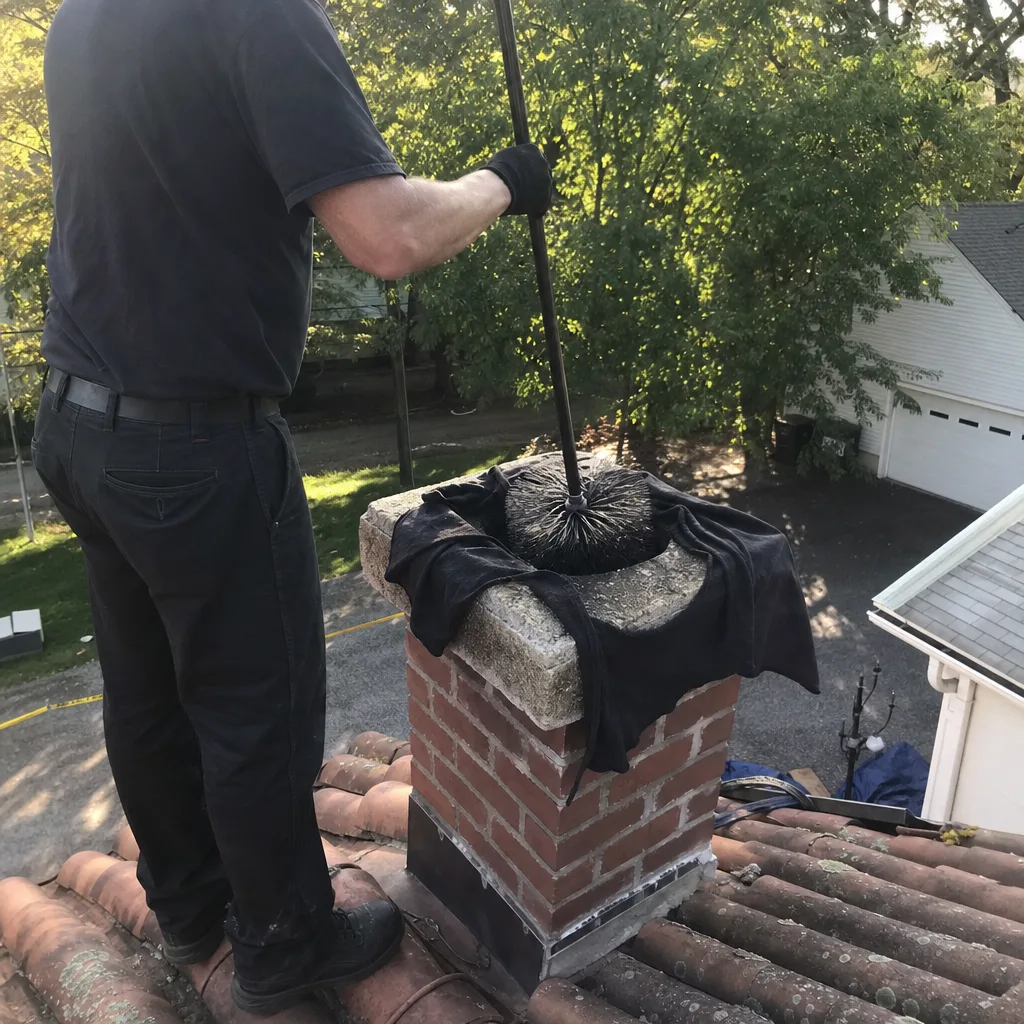
This is where Delaware’s rural housing stock creates problems specific to the area. Many historic farmhouses were converted from open-hearth cooking fireplaces to wood stove inserts decades ago with improvised connections - a stovepipe punched through a cleanout door or a jury-rigged thimble in a flue that was sized for a wide-open fireplace, not a modern airtight stove. These setups starve the stove of draft and let creosote condense on cold masonry. On a colonial-era fieldstone farmhouse off the river bottomlands near Delaware, our tech pulled a Quadra-Fire wood stove insert whose stovepipe had been punched straight through the original cleanout door into a flue sized for an open hearth - third-degree creosote glazing had closed the flue down to a fist-width and the damper was seized open. We ran a Level 3 inspection, removed the improvised connection, dropped an Olympia Chimney insulated flue liner sized to the stove’s draft requirement, and rebuilt the smoke chamber so the firebox actually pulled. The homeowner’s first cold snap afterward held heat for the first time in three winters.
We size inserts and liners to the appliance, not the hole in the wall. Done right - and we stand behind it.
Damper Repair & Firebox Repair
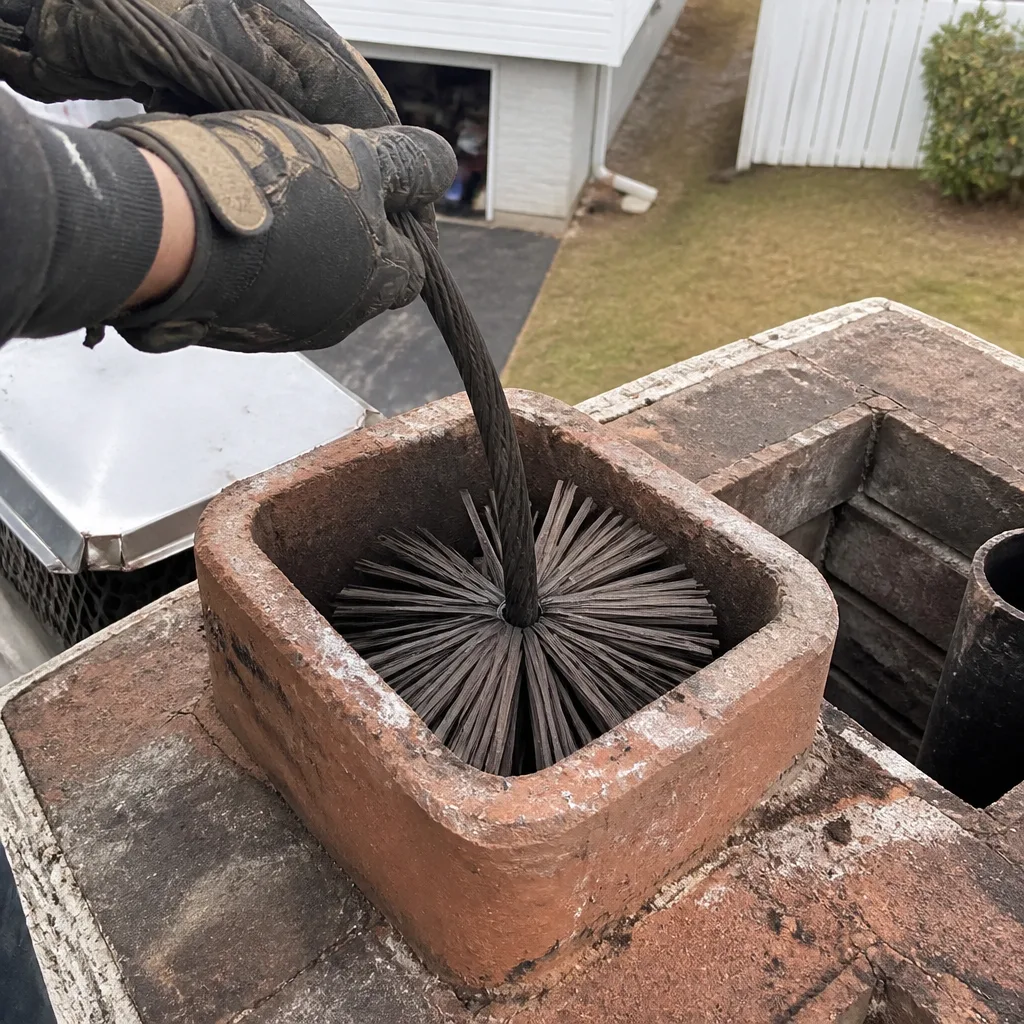
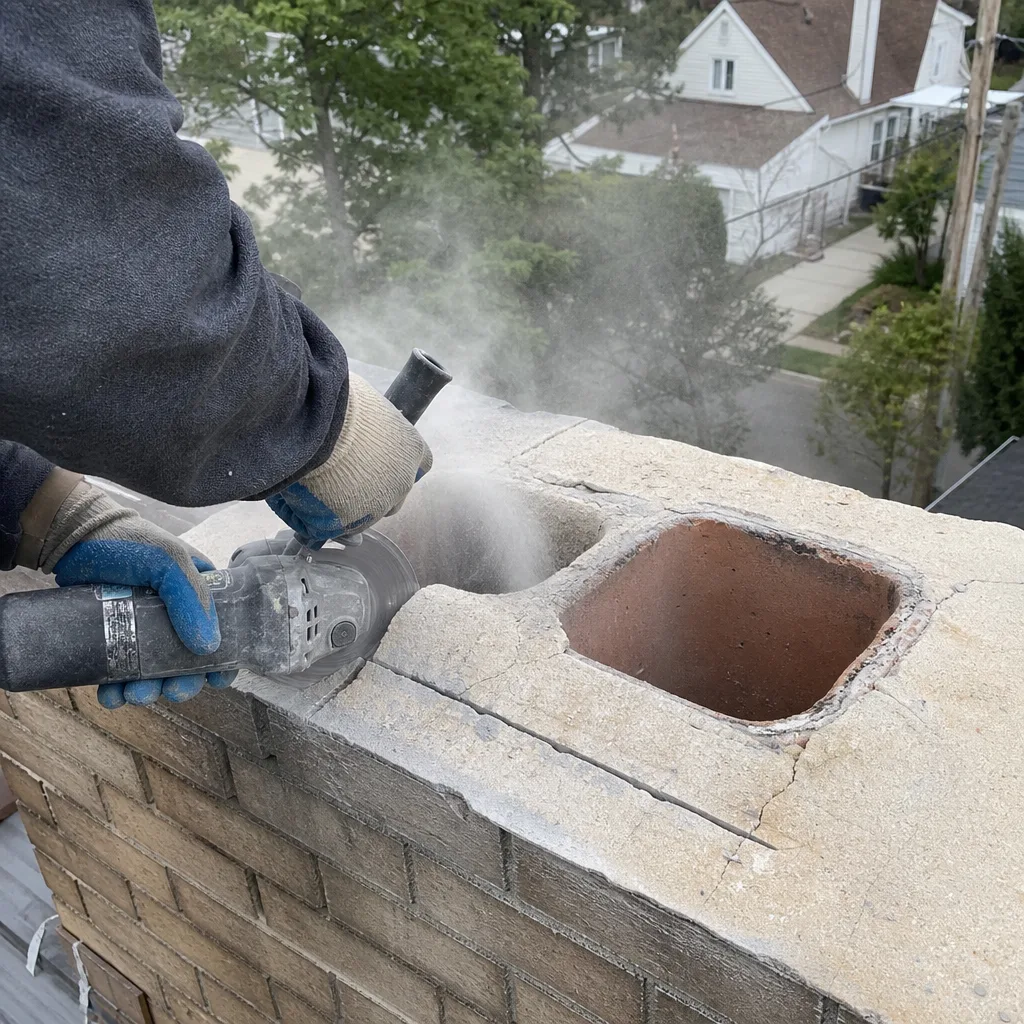
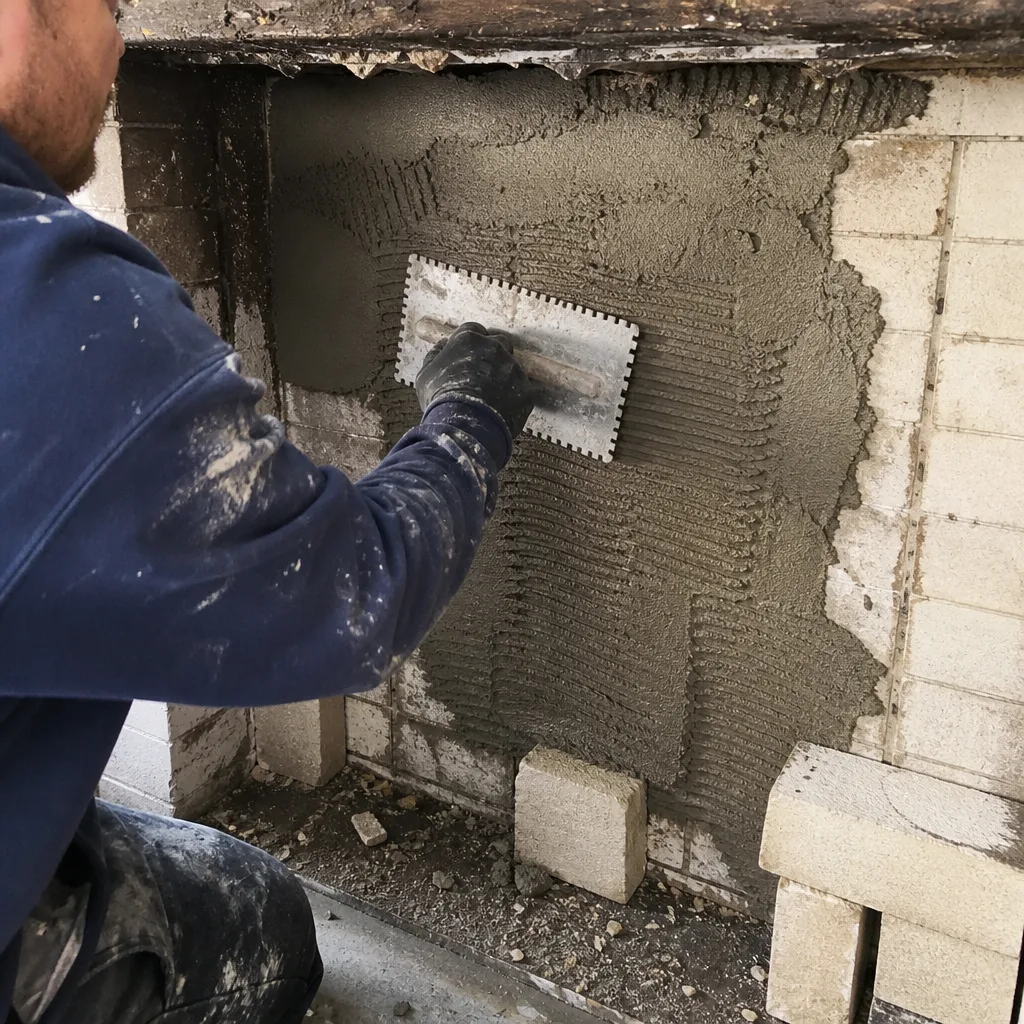
A seized or rusted damper wastes heat and can prevent proper draft. In Delaware’s older chimneys, we frequently find original cast-iron throat dampers frozen open or missing entirely, sometimes replaced with a piece of sheet metal that doesn’t seal. We repair or replace with precision-fitted components from Famco and other professional-grade suppliers. Firebox repair addresses cracked or spalled refractory panels, deteriorated mortar joints, and heat-damaged brick - common in chimneys that have burned hot and long through multiple winters without inspection. We use HeatShield and other refractory materials rated for the temperatures these units see, and we document before-and-after condition with photos.
Trusted Brands We Service in Delaware
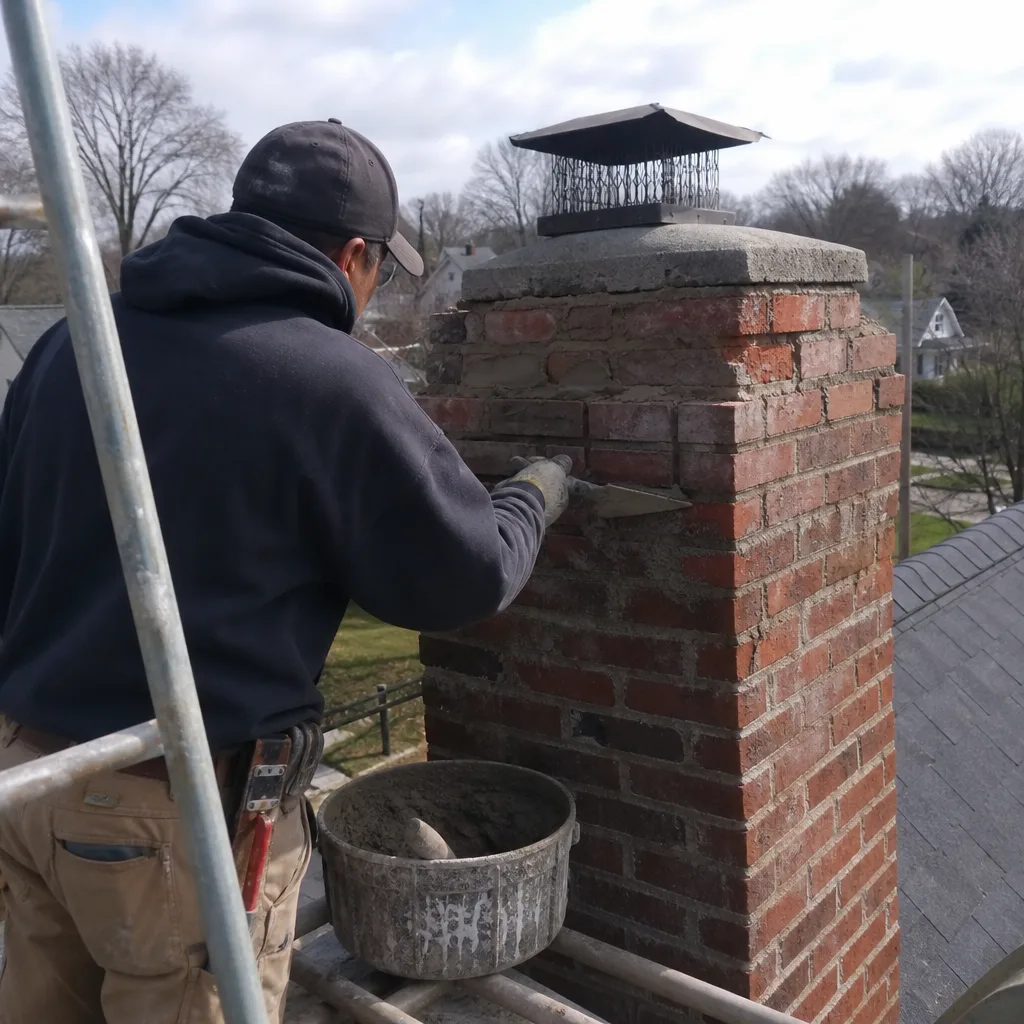
We stock and install professional-grade materials from industry-trusted brands - Gelco, Olympia Chimney, Famco, and Copperfield - because builder-grade substitutes fail faster and cost more in the long run. For Delaware customers, this means we rarely need to order parts and wait. Our trucks carry insulated flue liners, dampers, caps, and refractory materials sized to the most common configurations we see in Warren County’s older housing stock. When we find a problem, we fix it. Most jobs are completed in a single visit, and the 90-Day Done Right Promise covers every component we install.
Common Fireplace Services Problems We See in Delaware Homes
- Improvised stove connections. A stovepipe run through a cleanout door or a thimble cut into a flue built for a wide-open fireplace starves the stove of draft and lets creosote condense on cold masonry. We see this pattern constantly in farmhouses converted decades ago.
- Pre-liner-era chimneys with no terracotta tile. Creosote soaks directly into mortar joints, and once it’s Stage 3 glaze a brush passes over it without touching it. These chimneys need rotary cleaning or chemical treatment, not a standard sweep.
- Freeze-thaw cycling along the Delaware River valley. Western New Jersey’s position in the river valley produces significant freeze-thaw through winter and spring, which accelerates spalling and mortar joint deterioration in older brick and fieldstone chimneys. Water gets in, meets creosote, and accelerates deterioration from the inside.
- Stage 2 and Stage 3 creosote glazing from heavy wood-burning use. Cold Hunterdon and Warren County winters mean primary heat sources run hard. Glazed creosote is a chimney fire waiting to happen, and it requires more than a standard brush to remove safely.
Pricing for Fireplace Services in Delaware, NJ
A typical wood-burning fireplace sweep in Delaware runs $180-$240. Insert reconnection or liner sizing work runs $320-$580 depending on access and whether the existing connection needs to be removed and rebuilt. Firebox repair with professional-grade refractory materials ranges from $280-$450 for panel replacement to $800-$1,400 for full firebox rebuilding with HeatShield or similar rated materials. Damper repair or replacement typically falls between $220-$380.
| Service | Typical Range in Delaware |
|---|---|
| Wood-burning fireplace sweep | $180 - $240 |
| Insert reconnection / liner sizing | $320 - $580 |
| Firebox repair (panels) | $280 - $450 |
| Firebox rebuild | $800 - $1,400 |
| Damper repair / replacement | $220 - $380 |
What affects cost: accessibility (steep roof pitches on older farmhouses), the degree of creosote buildup, whether the chimney has ever been lined, and whether improvised connections need to be removed and rebuilt to code. We give no-hassle upfront pricing before any work begins - the number on the estimate is the number on the invoice. Senior and veteran discounts of 5% apply, and we offer $50 off any repair over $250. Call (856) 388-5580 for a free estimate.
We Also Serve Cities Near Delaware
Our crews regularly work throughout the region, and we provide Fireplace Services in Delaware as part of our broader Warren and Hunterdon County coverage. We also serve Princeton, Plainsboro, Bordentown, and Florence - each with the same live-answer phone, same documented inspection process, and same 90-Day Done Right Promise. If you’re unsure whether your property falls in our service area, call and we’ll tell you directly.
Serving Delaware, NJ - Our Local Coverage Area
We’re based in the Delaware area and know this community well. Use the map below to see our service coverage - if you’re nearby, we can almost certainly help.
FAQs - Fireplace Services in Delaware
Most Delaware properties need annual sweeping, not the 2-3 year interval common in gas-served suburbs. Because wood and pellet stoves here function as primary heat sources, fireboxes run hot and long enough that Stage 2 and Stage 3 glazed creosote develops on a 12-month cycle. We recommend a Level-2 camera inspection every fall before the first sustained burn. Call (856) 388-5580 to schedule - estimates are free.
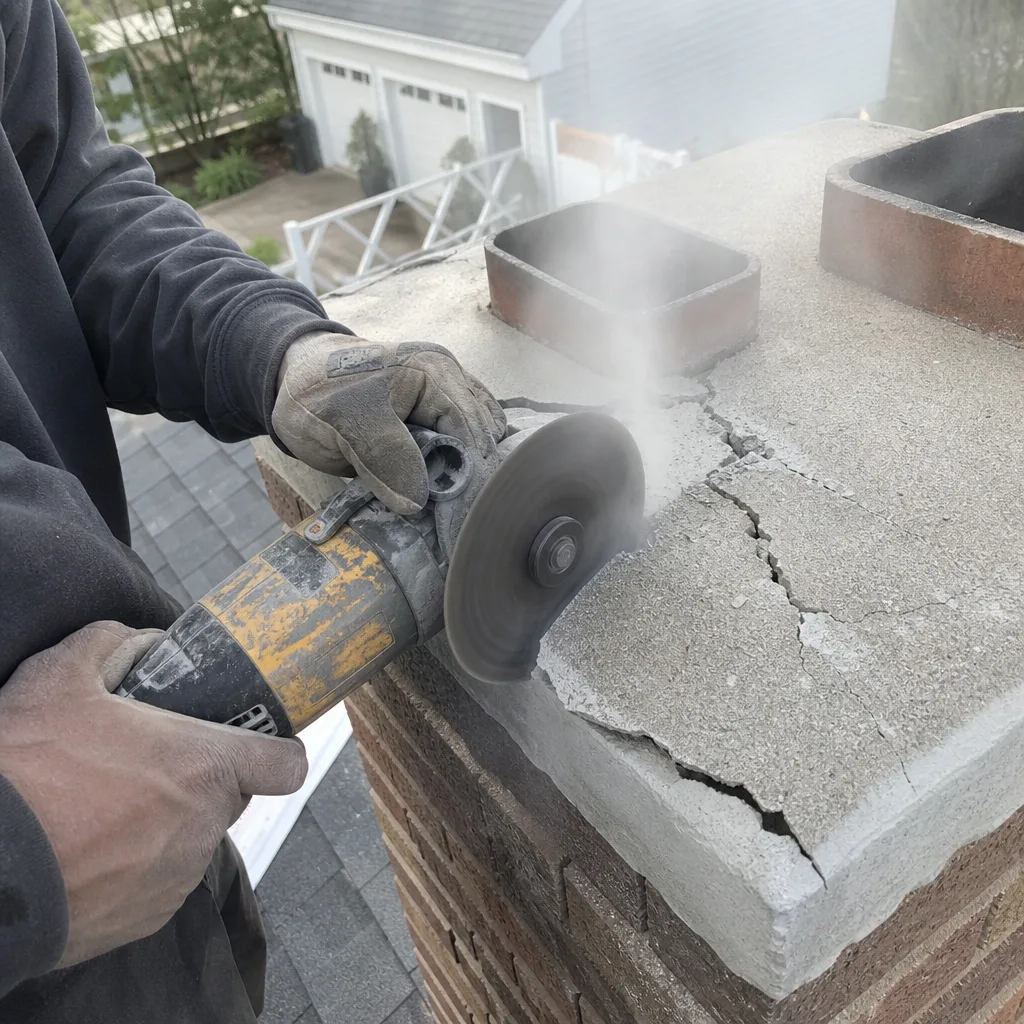
Yes, and it’s a common one in Delaware’s pre-liner-era housing stock. Unlined chimneys allow creosote to soak directly into mortar joints, and once glaze develops, a standard brush won’t remove it. The NFPA 211 code requires liners for all new installations, and most insurance underwriters expect them for wood-burning appliances. We install insulated stainless steel liners from Olympia Chimney sized to your appliance’s draft requirement, documented with photos and a plain-English verdict. Nothing is recommended without camera evidence you can see for yourself.
Yes, and we document it with camera photos so you can see what we see. First-degree creosote is flaky, sooty, and brushes off easily - normal for a well-seasoned, hot-burning fire. Third-degree creosote is glossy, hardened, and tar-like; it requires rotary cleaning or chemical treatment to remove safely. In Delaware, we see third-degree glaze frequently because primary heat use means longer, cooler burns that condense creosote rather than burning it off. We explain what we found, show you the photo, and tell you what removal method is appropriate.
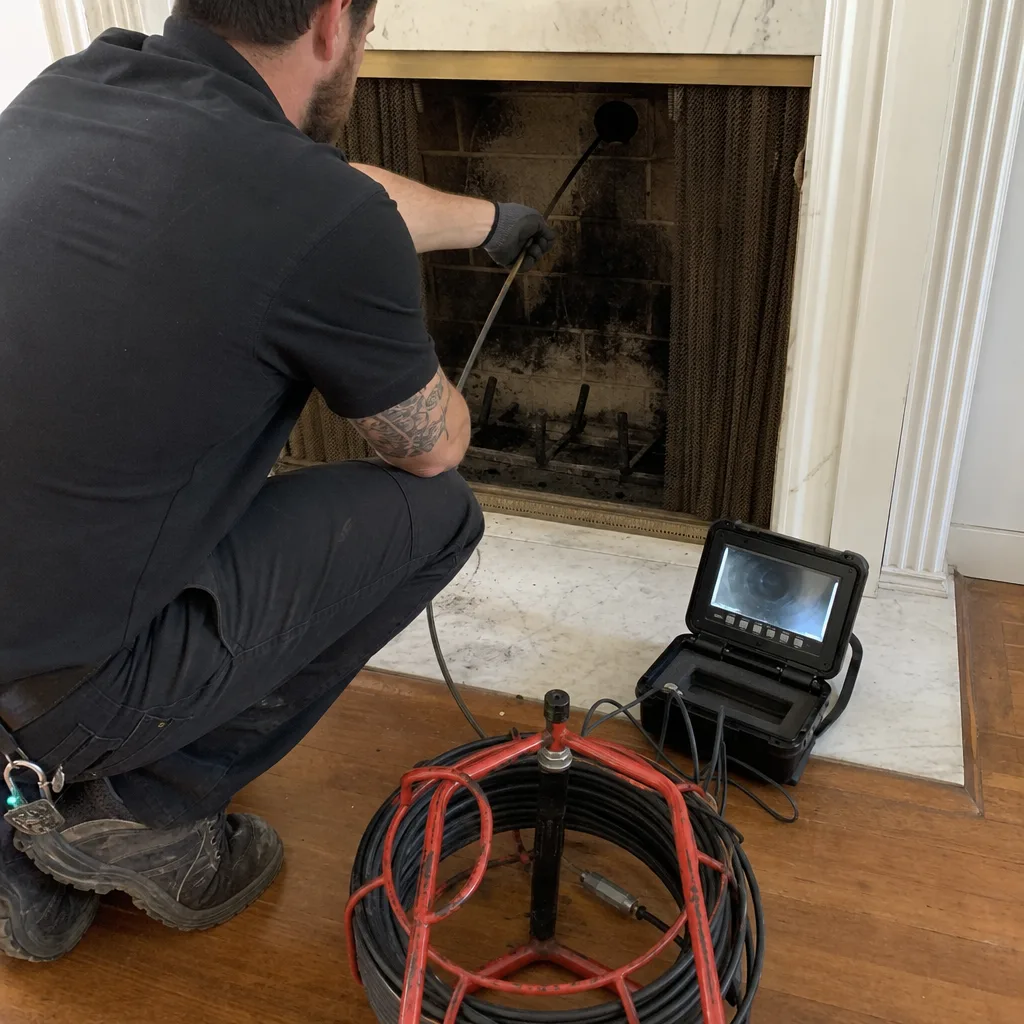
Cold chimney syndrome, often made worse by an improperly sized flue. In Delaware, we frequently find inserts connected to flues built for open fireplaces - the flue is too large for the insert’s low exhaust volume, so smoke cools and sinks instead of rising. Improvised connections through cleanout doors make this worse by introducing leaks and turbulence. We diagnose draft problems with a Level-2 inspection, measure flue and appliance specs, and recommend proper liner sizing or smoke chamber modification. The fix is usually straightforward once the cause is identified.
Only seasoned hardwood - oak, maple, hickory - split, stacked, and dried for at least 12 months. Moisture content below 20% is the single biggest factor in reducing creosote. Avoid burning softwoods as primary fuel, never burn treated lumber or household trash, and don’t damper down for overnight burns - smoldering fires produce the coolest exhaust and the heaviest glaze. Even with perfect fuel, Delaware’s primary-heat usage pattern means annual inspection is still necessary. Call (856) 388-5580 for burning guidance specific to your setup.
Written by Russell Haines, Owner at Hearthstone Chimney Co., serving Delaware and surrounding communities since 1984.