
Last updated September 10, 2026
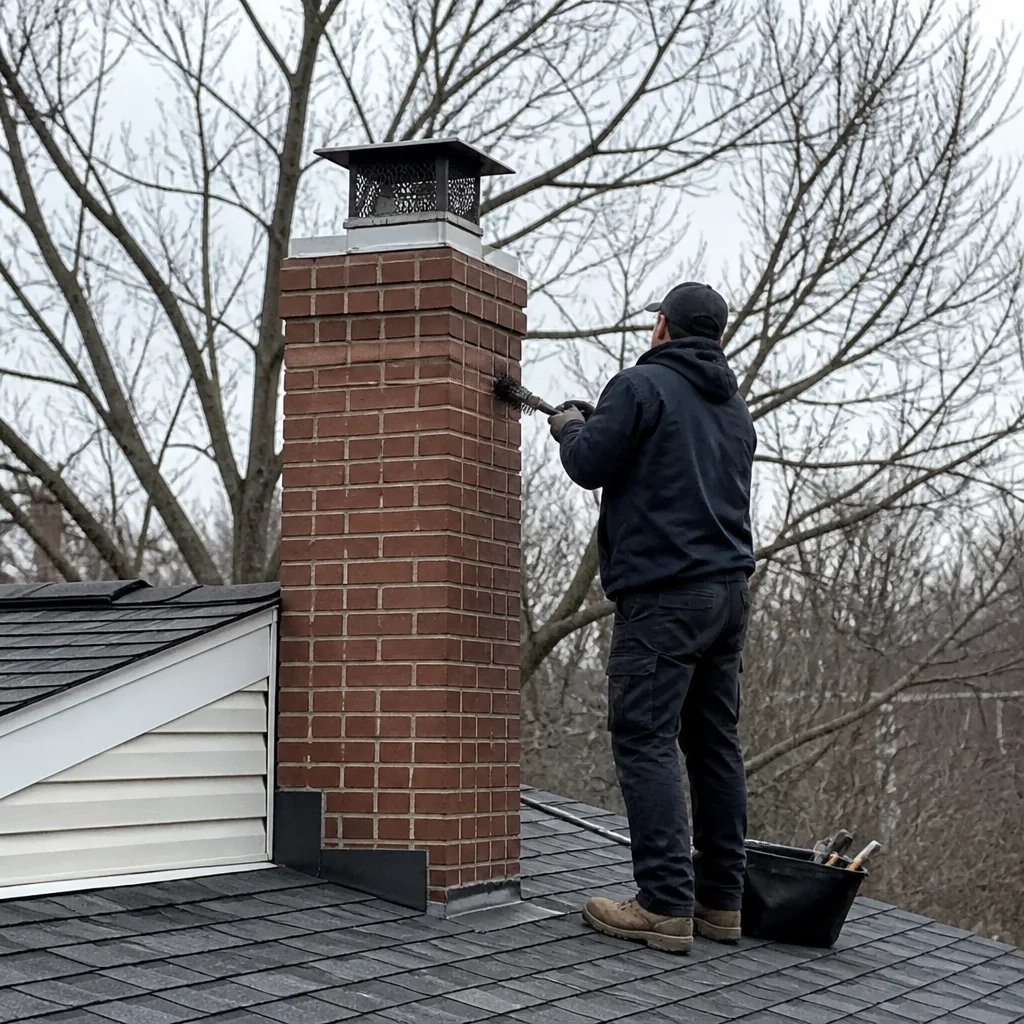
Level 1 sweep and inspection to the NFPA 211 annual standard - flue, crown, cap, and flashing checked and photographed
Chimney sweep logs do not sweep chimneys. They loosen some creosote - which then falls where a brush and vacuum still have to collect it.
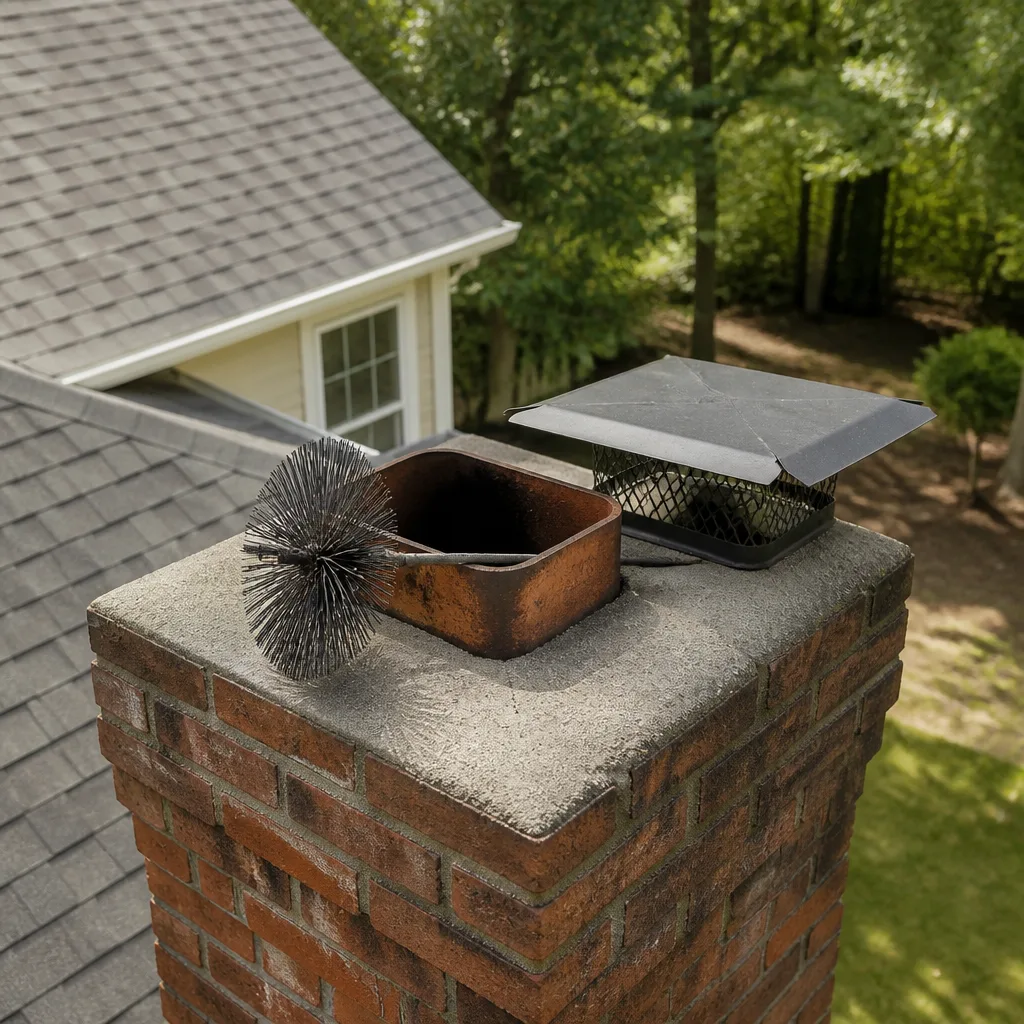

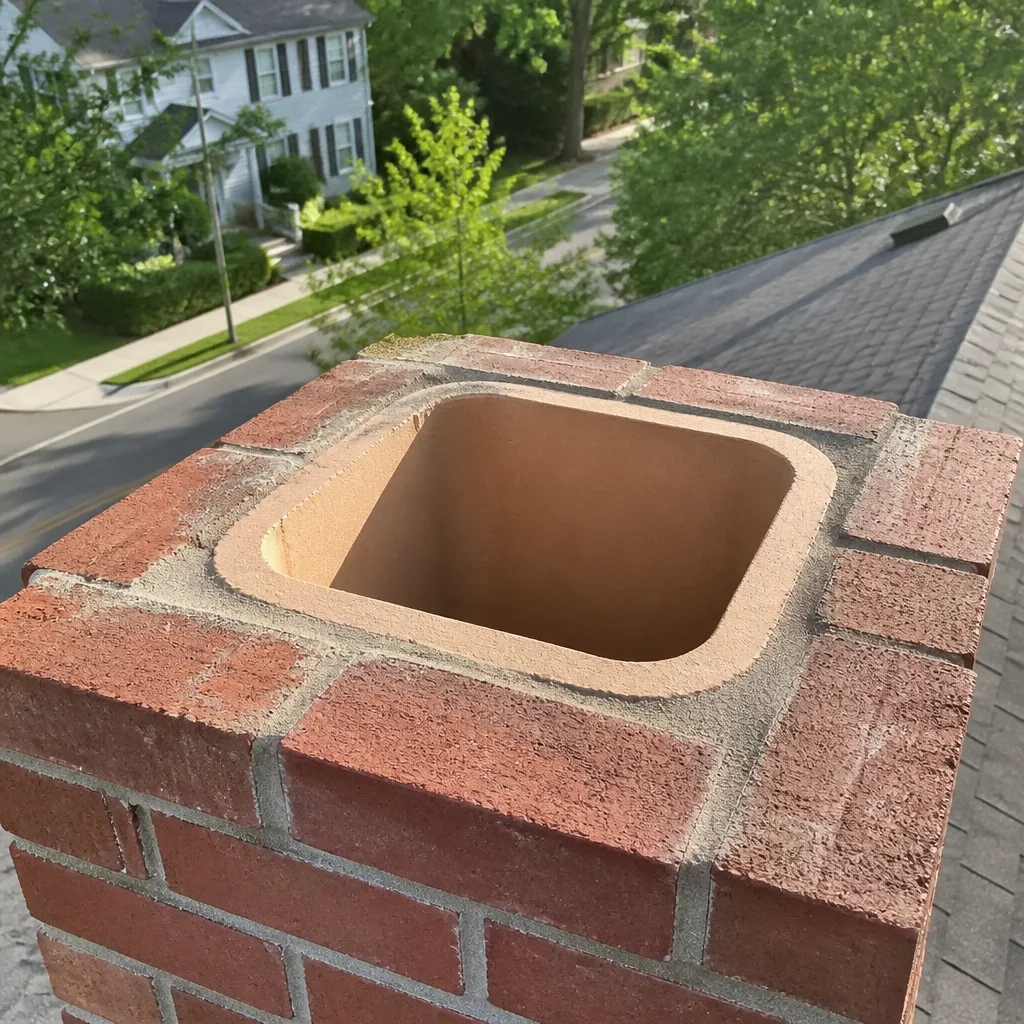
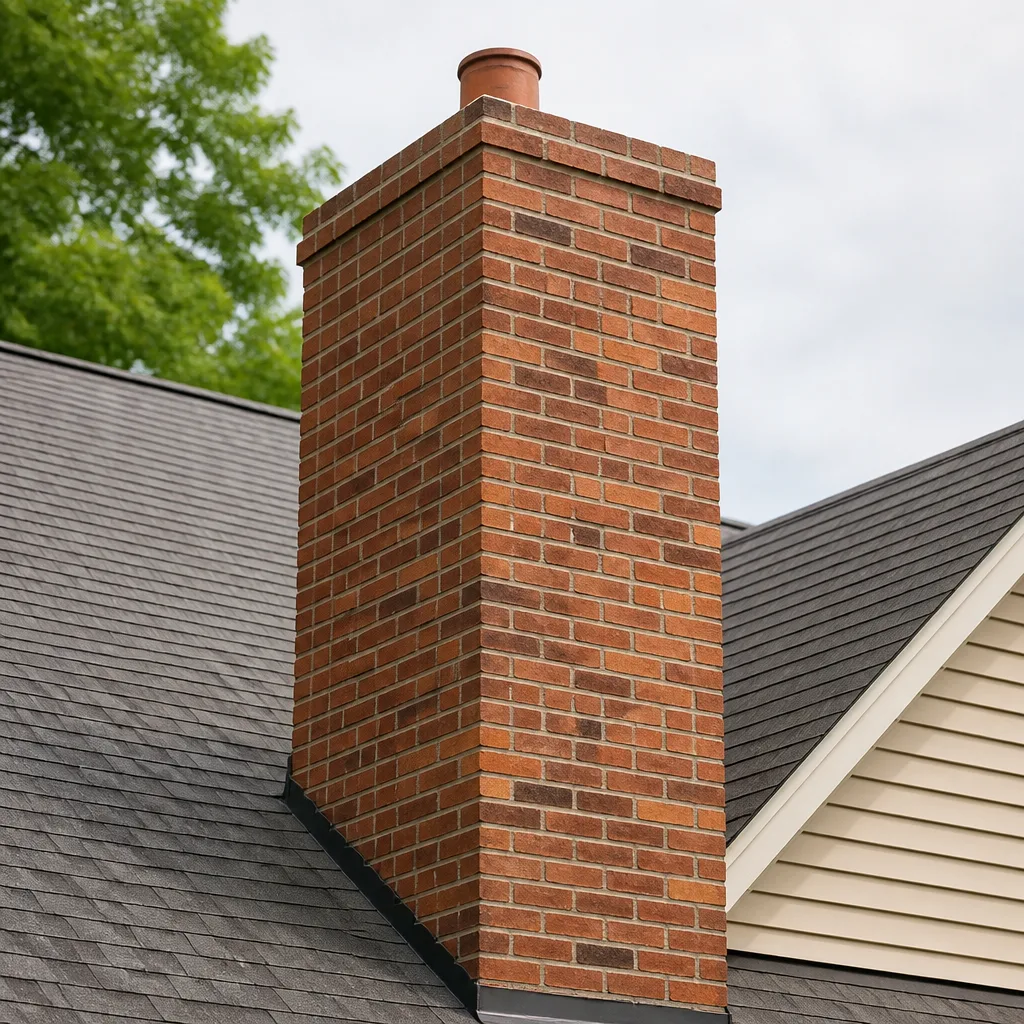
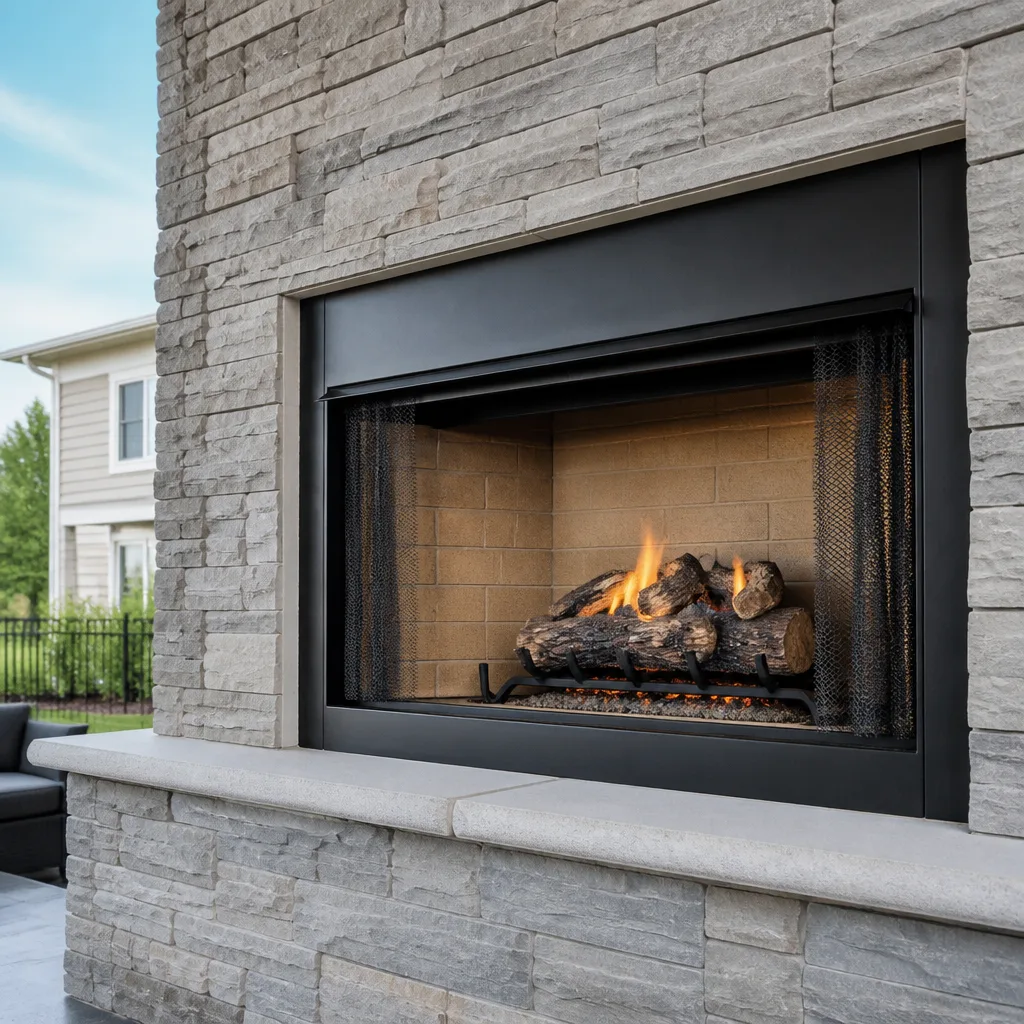
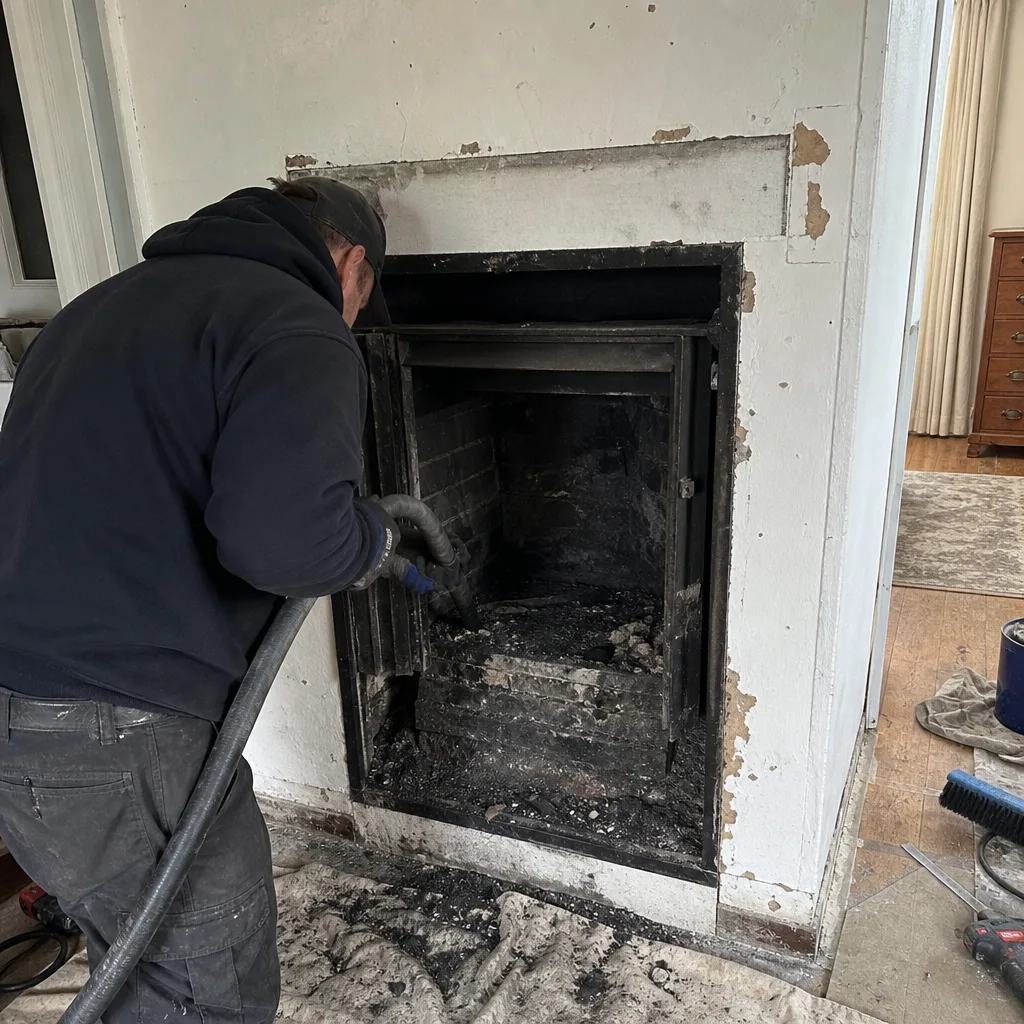 Before
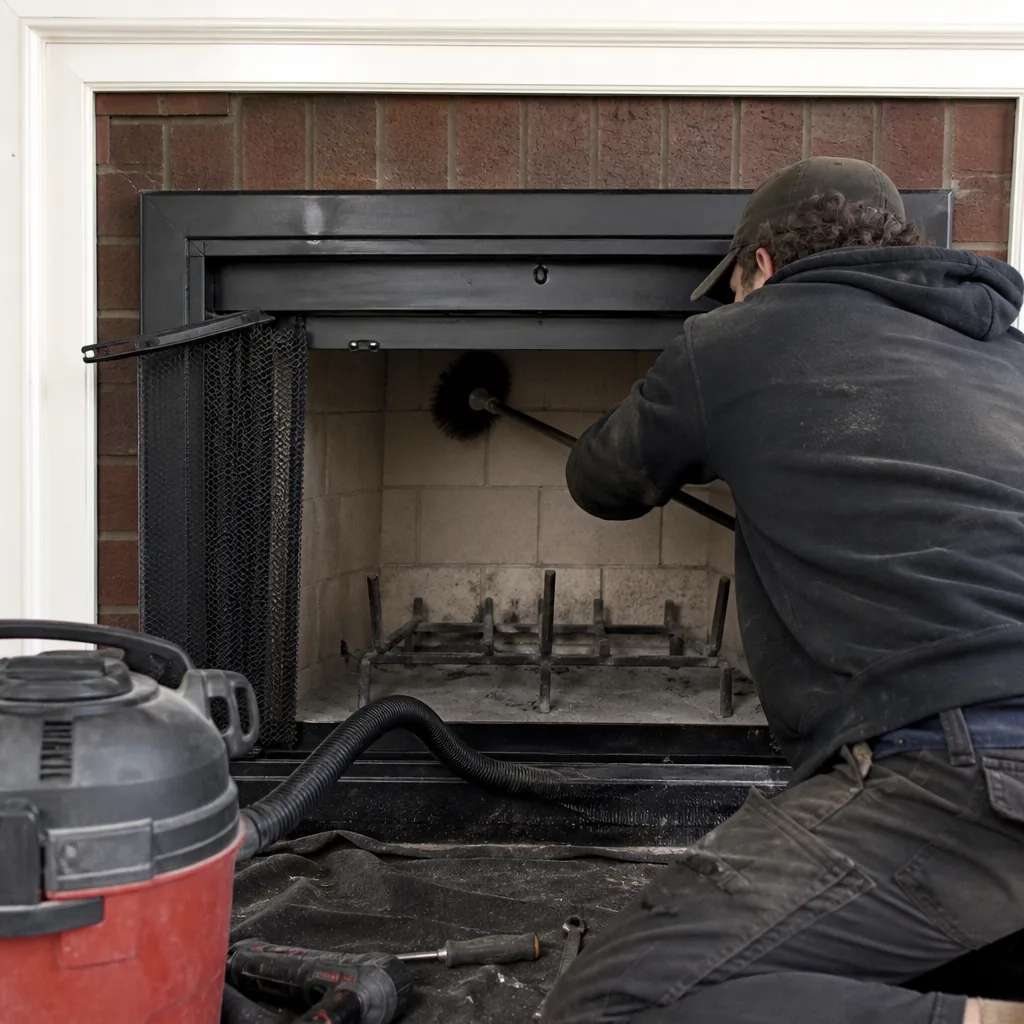 After
After Before
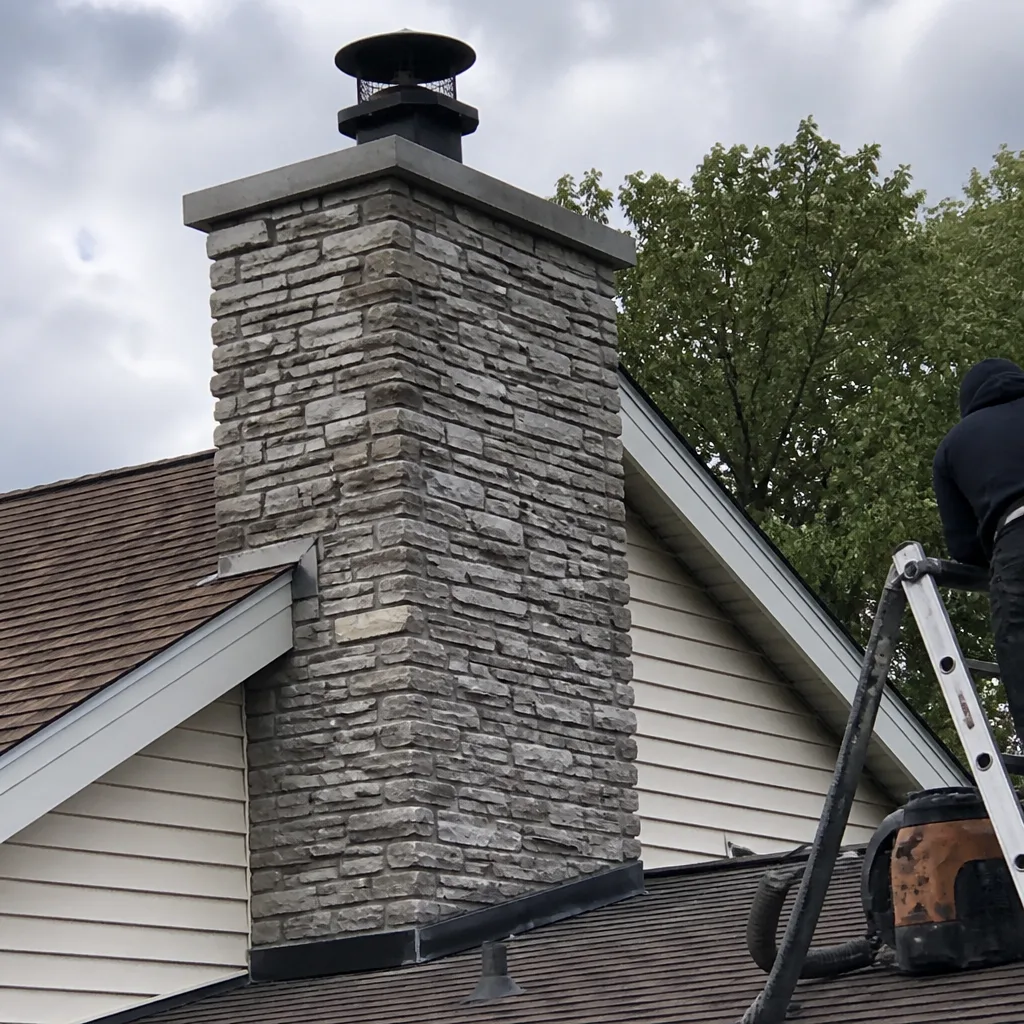 After
After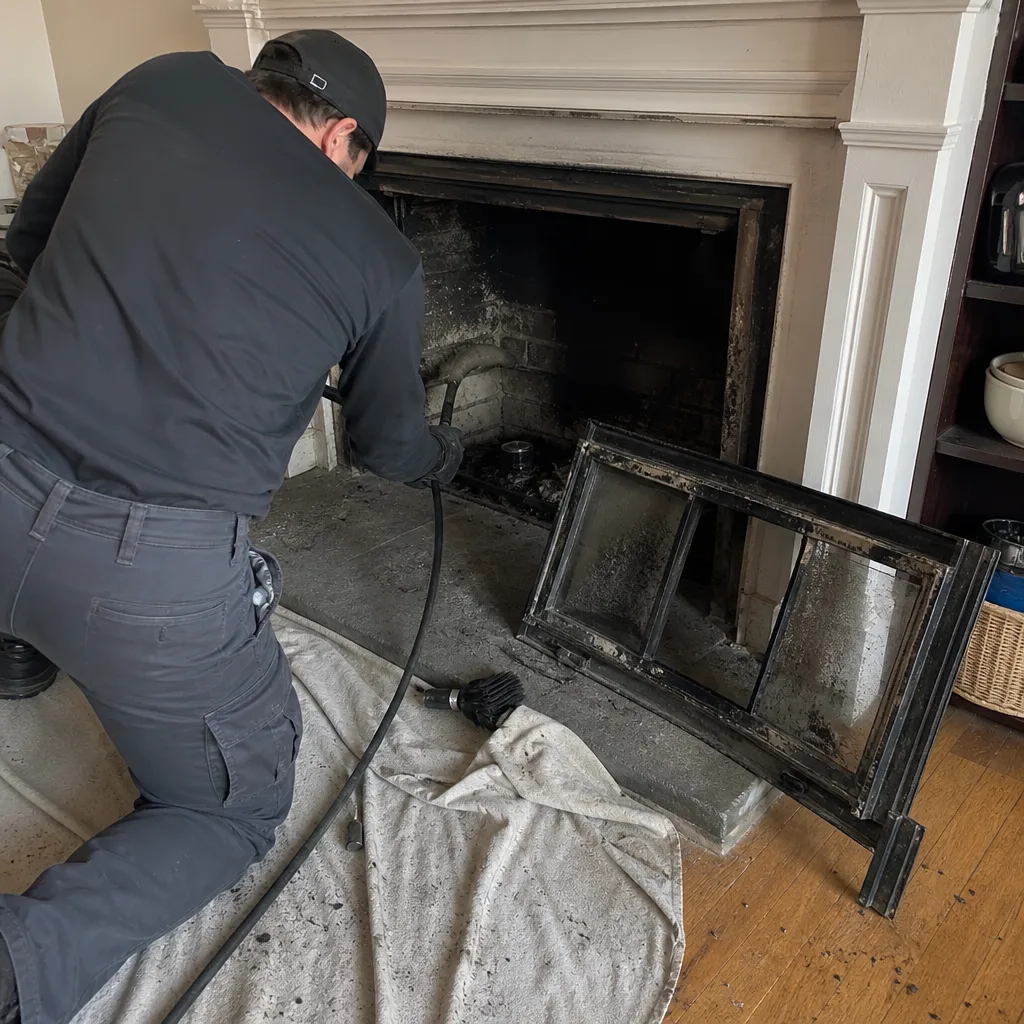 Before
 After
AfterHow to Hire a Chimney Cleaning Contractor in Ewing: A Step-by-Step Guide
New Jersey does not license chimney sweeps the way it licenses electricians or plumbers. That single fact changes everything about hiring in Ewing. It means any person with a brush and a truck can call themselves a sweep, and many do - especially in late September when homeowners start thinking about the first fire of the season. In our 42 years serving Mercer County, we’ve seen what follows: cracked flues missed entirely, liners sold to people who didn’t need them, and chimney repairs in Ewing that should have been caught months earlier. This guide gives you the specific questions, documentation checks, and red flags that separate accountable craftsmen from everyone else.
Quick Answer
To hire a chimney cleaning contractor in Ewing, verify CSIA or NCI certification, demand proof of general liability and workers’ compensation insurance, insist on a written scope of work before any payment, and reject any quote given over the phone without a site visit. A legitimate contractor inspects first, documents findings with photos you can see, and explains what needs attention now versus what can wait.
Table of Contents
- Why the Ewing Market Is Different
- What Certifications Actually Mean (and Which Ones Matter)
- The Exact Documents to Request Before Work Begins
- How to Spot a Real Inspection Versus a Bait Inspection
- Red Flags Specific to Ewing’s Chimney Market
- How to Read a Post-Job Report Like a Pro
- What Chimney Cleaning Costs in Ewing (and What Drives the Price)
- Common Mistakes to Avoid
- When to Call a Professional
- Frequently Asked Questions
- The Bottom Line
Why the Ewing Market Is Different
Ewing sits at the intersection of several forces that make chimney hiring more complicated than in many New Jersey towns. First, the housing stock spans nearly a century - from the stone and brick colonials near The College of New Jersey built in the 1920s and 30s, to the post-war ranches in Parkway Village from the 1950s, to the split-levels and contemporaries added during the 1970s and 80s. Each era brought different flue sizes, construction methods, and common failure modes. A sweep who treats every chimney the same will miss something.
Second, Ewing’s location along I-95 and Route 1 makes it a target for out-of-area contractors who canvass neighborhoods in fall, knock on doors, and offer “seasonal specials” to homeowners who haven’t yet scheduled maintenance. These operators often carry no local address, no local reputation, and no incentive to stand behind their work. When something goes wrong, the phone number stops working.
Third, Mercer County’s freeze-thaw cycles are harder on masonry than coastal New Jersey’s more moderate temperatures. Water that seeps into crown cracks in November freezes by December, expanding and opening the crack wider. By March, a minor crown issue can become a structural problem. This means Ewing chimneys need inspectors who understand local weather patterns and know where to look for seasonal damage.
Finally, the absence of state licensing creates an information gap. Homeowners assume some government body has checked credentials, and they learn otherwise only after a bad experience. The sections that follow close that gap with specific, actionable checks.
What Certifications Actually Mean (and Which Ones Matter)
Not every certificate on a contractor’s wall carries equal weight. In chimney work, three credential types appear most often, and understanding the difference protects you from inflated credibility.
CSIA Certified Chimney Sweep
The Chimney Safety Institute of America (CSIA) is the industry’s longest-standing certification body. Earning the credential requires passing a comprehensive exam covering combustion, ventilation, building codes, and safety standards, plus signing a code of ethics. CSIA certification must be renewed every three years through continuing education or re-examination. When a sweep shows you a current CSIA card, you know they’ve met a verified standard and maintain it.
NCI Certified
The National Chimney Institute focuses more heavily on the mechanical and venting side of hearth systems, including gas inserts and factory-built fireplaces. NCI certification is particularly relevant if your Ewing home has a newer gas fireplace or a pellet stove, where venting configuration matters as much as flue condition. Some technicians hold both CSIA and NCI credentials, which indicates broad competence.
No Credential, or “Trained In-House”
This is where caution is warranted. Some companies, particularly national franchises and seasonal operations, put technicians through an internal training program of unspecified length and depth. The technician may be competent or may have watched a few videos and ridden along for a week. Without an external, audited standard, you have no verification. We recommend asking directly: “Are you personally CSIA or NCI certified, and can I see the current card?” A hesitation or deflection is information.
At Hearthstone Chimney Co., every technician who enters an Ewing home holds current external certification. We’ve found that the discipline required to maintain certification - the continuing education, the code updates, the ethics commitment - correlates with the discipline to do the job right.
The Exact Documents to Request Before Work Begins
Verbal assurances mean nothing if something goes wrong. Before any contractor touches your chimney, request and review these four documents. Reputable providers produce them without complaint.
- Certificate of General Liability Insurance. This protects your property if the contractor damages your roof, interior, or landscaping. Ask for the certificate directly from the insurance agency, not a photocopy from the contractor. Verify the policy is current and the coverage limits are appropriate for residential work in Ewing.
- Workers’ Compensation Certificate. New Jersey requires this for employees. If a worker is injured on your property and the contractor lacks coverage, your homeowner’s policy may be drawn into the claim. This is not a theoretical risk - ladder falls and roof incidents happen. Verify the certificate lists the company name you’re hiring, not a different entity.
- Written Scope of Work. The document should specify exactly what will be done: Level 1 or Level 2 inspection, sweep of flue and smoke chamber, debris removal, and any additional services. It should state the total price, payment terms, and what triggers additional charges. Vague language like “inspect and clean as needed” invites scope expansion.
- Written Warranty or Guarantee Language. Ask to see the actual text, not a verbal summary. What does it cover? For how long? What is the process for making a claim? At Hearthstone, our 90-Day Done Right Promise is provided in writing on every job - no arguing, no paperwork shuffle. If it’s not right, we make it right. That language exists because we’ve seen too many homeowners left without recourse.
One additional note on Ewing specifically: Mercer County requires permits for certain chimney rebuilds and liner installations. A contractor who dismisses permit requirements or suggests “we can skip it for this job” is exposing you to code violations and insurance complications. Legitimate contractors handle permits as standard practice.
How to Spot a Real Inspection Versus a Bait Inspection
This distinction matters more than any other in chimney hiring. A legitimate inspection documents condition and prioritizes findings. A bait inspection manufactures urgency to sell repairs, often expensive ones, that same day.
What a Legitimate Level 2 Inspection Looks Like
A proper Level 2 inspection, which we recommend for every Ewing home that hasn’t had documented inspection within two years, includes visual examination of accessible portions plus video scanning of the flue interior. The technician uses a specialized camera on a flexible rod to record the full length of the flue, looking for cracks, gaps, creosote buildup, and obstruction.
The process takes time - typically 45 minutes to 90 minutes depending on chimney configuration. The technician should explain what they’re seeing in real time, answer questions, and note findings without immediate pressure to decide. You should receive photos or video files you can review yourself, plus a written report with clear categories: immediate safety concern, recommended maintenance, and monitor for future review.
At Hearthstone, our Level-2 camera inspections end with photos the homeowner can see and a plain-English verdict - documented like an engineer, explained like a craftsman. We explain what needs attention now, what can wait until next season, and why. No finding is presented without visual evidence.
Bait Inspection Red Flags
- The “inspector” spends ten minutes on the roof, then announces urgent liner failure without showing you the damage.
- You’re told the chimney is “unsafe to use” but given no written documentation of why, with no photos, no measurements, no code references.
- The “solution” is presented as a single expensive package ($3,000-$8,000 is common for unnecessary liner replacements) with a “today only” discount.
- Payment is requested before you’ve had time to seek a second opinion.
- The company offers to “start right away” if you sign today, playing on fall weather anxiety.
The most effective defense is simple: never authorize same-day repair work on a first inspection. Any legitimate safety concern can be documented in writing, and you can schedule repair after reviewing the evidence. A contractor who resists this reasonable request is telling you something important.
Red Flags Specific to Ewing’s Chimney Market
Our service area includes Ewing and surrounding Mercer County communities, and certain patterns repeat often enough to warrant specific warning.
Out-of-state license plates on service vehicles. This doesn’t automatically disqualify, but it raises questions. Where is the company based? Who holds their insurance? Where will you find them if warranty work is needed? Local companies with permanent Ewing-area presence have accountability that transient operators lack.
No physical address or a P.O. box as the business location. Legitimate contractors maintain offices or at minimum a verifiable commercial address. Search the address on Google Maps - is it a residence, a mailbox store, or an actual business location?
Quotes given over the phone without site visit. Chimney configuration varies enormously. A sweep cannot know whether you need a basic cleaning, a Level 2 inspection, or repair work without seeing the chimney, accessing the flue, and understanding your heating appliance. Phone quotes are either wildly inflated to cover uncertainty or artificially low to get in the door, with upsell to follow.
Pressure to decide during the first visit. This is especially common in Ewing’s older neighborhoods like Glendale and Wilburtha, where homeowners may be less familiar with current chimney technology. A technician who creates artificial urgency - “I have another crew that could start this afternoon” - is selling, not serving.
No local references from Ewing specifically. Ask for three recent customers in your area. Call them. Ask about timeliness, cleanup, whether the final price matched the estimate, and whether they would hire the company again.
Payment required in full before work begins. Standard practice is partial payment for large jobs, with balance due upon completion and your satisfaction. Full upfront payment removes your leverage if work quality is poor.
How to Read a Post-Job Report Like a Pro
A professional chimney inspection should leave you with documentation you can understand and act on. Here’s what to expect and how to evaluate it.
Photos That Tell the Story
The report should include dated, clear images of: the exterior crown and cap condition, the flue interior from top to bottom, the smoke chamber and firebox, the damper operation, and any areas of concern. Blurry, undated, or absent photos suggest the inspection was superficial. At Hearthstone, every report includes timestamped images with annotations explaining what you’re seeing.
Clear Finding Categories
Look for explicit sorting: Immediate Safety Concern (use of fireplace should stop until repaired), Recommended Maintenance (address this season or next), and Monitor (no action needed now, check again in specified timeframe). Vague language like “some wear noted” without categorization forces you to guess at urgency.
Measurements and Specifications
For any recommended repair, the report should specify dimensions, materials proposed, and why that repair is necessary. “Replace liner” is insufficient. “Install stainless steel liner, 6-inch diameter, 25 feet length, to properly vent the existing wood-burning insert per NFPA 211” is specific and verifiable.
When to Seek a Second Opinion
We offer free second opinions on any written estimate from another contractor, and we encourage homeowners to use this service when:
- The recommended repair cost exceeds $1,000 and no photos clearly show the stated problem.
- The finding contradicts a previous inspection without explanation of what changed.
- The report recommends replacing a component that was recently installed.
- The language is overwhelmingly alarmist with no documented code violation or safety standard reference.
Our experience in Ewing homes, from the historic properties near TCNJ to the mid-century neighborhoods off Parkway Avenue, has taught us that a second set of eyes often reveals a simpler, less expensive path. We’re happy to provide that perspective.
What Chimney Cleaning Costs in Ewing (and What Drives the Price)
Understanding fair pricing helps you evaluate quotes and spot outliers. Ewing’s market reflects Mercer County’s cost structure - moderate by New Jersey standards, higher than rural areas, lower than Manhattan-commuter towns to the northeast.
| Service | Typical Range in Ewing | What Affects Price |
|---|---|---|
| Basic chimney sweep (Level 1 inspection included) | $175 - $275 | Number of flues, accessibility, amount of creosote buildup |
| Level 2 inspection with camera | $250 - $400 | Height of chimney, number of appliances vented, documentation detail |
| Sweep + Level 2 inspection bundle | $300 - $450 | Combination pricing varies by season; fall rates often higher |
| Chimney cap installation (standard stainless) | $350 - $600 | Flue size, cap style, existing damage requiring repair first |
| Crown repair (sealant/patching) | $400 - $800 | Extent of cracking, accessibility, material used |
| Flue liner repair (HeatShield cerfractory) | $1,200 - $2,500 | Flue length, number of flues, extent of damage |
| Stainless steel liner installation | $2,500 - $5,500 | Length, diameter, insulation requirements, appliance type |
Several factors push Ewing prices toward the higher or lower end of these ranges. Homes in the Hillwood section with steep roof pitches and limited access require more labor time. Properties with gas inserts that haven’t been serviced in years may need more extensive cleaning. Seasonal timing matters - September through November commands premium rates; January through March often sees better availability and occasional discounts.
Our standing offers include a $89 Seasonal Tune-Up for qualifying systems, $50 off any repair over $250, and a permanent 5% senior and veteran discount. We also provide free second opinions on any written estimate. These aren’t introductory come-ons - they’ve been our standard pricing structure for years because we prefer repeat customers to one-time transactions.
Common Mistakes to Avoid
- Hiring based on the lowest quote alone. In Ewing’s unregulated market, the cheapest option often carries hidden costs: uninsured workers, uncertified technicians, or inspection findings that mysteriously expand once work begins. A square deal means no surprises on the bill - and that requires upfront clarity, not just a low number.
- Waiting until the first cold snap to call. By mid-October, reputable Ewing contractors are booking two to three weeks out. The sweep who can come tomorrow in November is often available for a reason. Schedule in late summer or early September.
- Assuming a clean chimney means a safe chimney. Sweeping removes combustible deposits but doesn’t reveal hidden flue damage, liner gaps, or structural issues. The inspection matters as much as the cleaning.
- Neglecting to verify insurance directly. Don’t accept a contractor’s word or a photocopy. Call the insurance agency listed on the certificate and confirm the policy is active and covers the work described.
- Authorizing repair work without seeing the problem yourself. Modern camera technology makes this unnecessary. Any finding that justifies significant expense should be visible to you, explained in plain language, and documented in writing.
- Ignoring neighborhood-specific risks. In Ewing’s older homes near the Delaware River, we’ve found accelerated deterioration from higher humidity and past water intrusion. In newer developments, improper original construction by builders who cut corners on chimney specifications is more common. The right contractor knows your neighborhood’s patterns.
- Failing to ask about warranty claim process. A “lifetime warranty” sounds impressive until you try to use it and discover the company has changed names, moved out of state, or requires you to pay for a new inspection before honoring the original guarantee. Get the process in writing.
When to Call a Professional
Certain situations in Ewing homes warrant immediate professional attention rather than scheduled maintenance. Call a certified sweep promptly if you notice smoke entering your living space, a strong odor of creosote even when the fireplace isn’t in use, visible cracks in the exterior masonry, or debris falling into the firebox. These symptoms indicate conditions that can escalate to chimney fire or carbon monoxide exposure.
Also call before using a fireplace in a home you’ve just purchased, even if the previous owner claimed it was “just swept.” In Ewing’s active real estate market, we’ve found too many cases where “recent service” meant a quick visual look with no documentation.
Hearthstone Chimney Co. offers free estimates in Ewing. Our phones are answered by a live person 24 hours a day, 7 days a week - not voicemail, not a callback queue. Call (856) 388-5580 to schedule, or visit our Chimney Cleaning & Sweep in Ewing page to learn more about our process.
Frequently Asked Questions
A basic chimney sweep with Level 1 inspection in Ewing typically runs $175 to $275, while a Level 2 inspection with camera scanning ranges from $250 to $400. Homes with multiple flues, steep roof access, or heavy creosote buildup fall toward the higher end. Call (856) 388-5580 for an exact quote - estimates are free.
You need a new liner only if the existing one is damaged, improperly sized, or missing - and this should be confirmed with camera inspection photos you can see yourself, not a verbal claim. In Ewing’s older homes, we’ve found original clay tile liners with hidden cracks that do require replacement; we’ve also found perfectly sound liners that another contractor claimed were “failing.” Always get a second opinion on liner recommendations. We provide free second opinions on any written estimate.
The National Fire Protection Association recommends annual inspection, with sweeping as needed based on deposit accumulation. For Ewing homeowners who burn wood regularly - say, three or more times weekly during heating season - annual sweeping is prudent. Occasional users may extend to every two years with inspection, but the inspection itself should not be skipped. Mercer County’s temperature swings accelerate creosote condensation in cooler flues, making regular service particularly important.
Skipped maintenance leads to creosote accumulation, which is combustible and causes chimney fires; structural deterioration from moisture and freeze-thaw damage; and potential carbon monoxide intrusion through cracked flues or missing liners. In Ewing, we’ve responded to chimney fires in homes that hadn’t been inspected in a decade - fires that were entirely preventable. The cost of routine service is a fraction of emergency repair or property loss.
Basic brush cleaning of an accessible, straight flue is physically possible for a handy homeowner, but it does not replace professional inspection. You cannot see the flue interior clearly without specialized camera equipment, and you cannot evaluate liner condition, crown integrity, or structural soundness from the firebox. For Ewing’s older homes with complex flue configurations, professional service is the safer choice. We document everything so you know what you have.
The terms overlap but aren’t identical. A sweep performs cleaning and basic visual examination (Level 1 inspection). An inspector conducts detailed evaluation, often with camera technology, to assess condition and safety. Many professionals, including our technicians at Hearthstone, are trained and certified for both. When hiring in Ewing, confirm what level of inspection is included - “sweep” alone may not include the documentation you need for insurance or real estate purposes.
The Bottom Line
Hiring a chimney contractor in Ewing requires more diligence than many homeowners expect, because New Jersey’s lack of sweep licensing shifts the entire burden of verification to you. The good news: a short checklist separates reliable craftsmen from risky operators. Verify CSIA or NCI certification. Demand current insurance certificates and written scope of work. Reject phone quotes and same-day pressure. Insist on photo documentation and plain-English explanation. Get warranty terms in writing.
These standards aren’t excessive - they’re the minimum for a trade that affects your home’s safety. At Hearthstone Chimney Co., we’ve built our 42-year reputation on meeting them every time, with background-checked uniformed technicians, professional-grade materials from trusted brands like Gelco and Olympia Chimney, and the 90-Day Done Right Promise backed in writing. We’ll be there when we say. Photos you can see, a plain-English verdict. Done right - and we stand behind it.
Written by Russell Haines, Owner at Hearthstone Chimney Co., serving Ewing since 2014.