
Last updated September 10, 2026
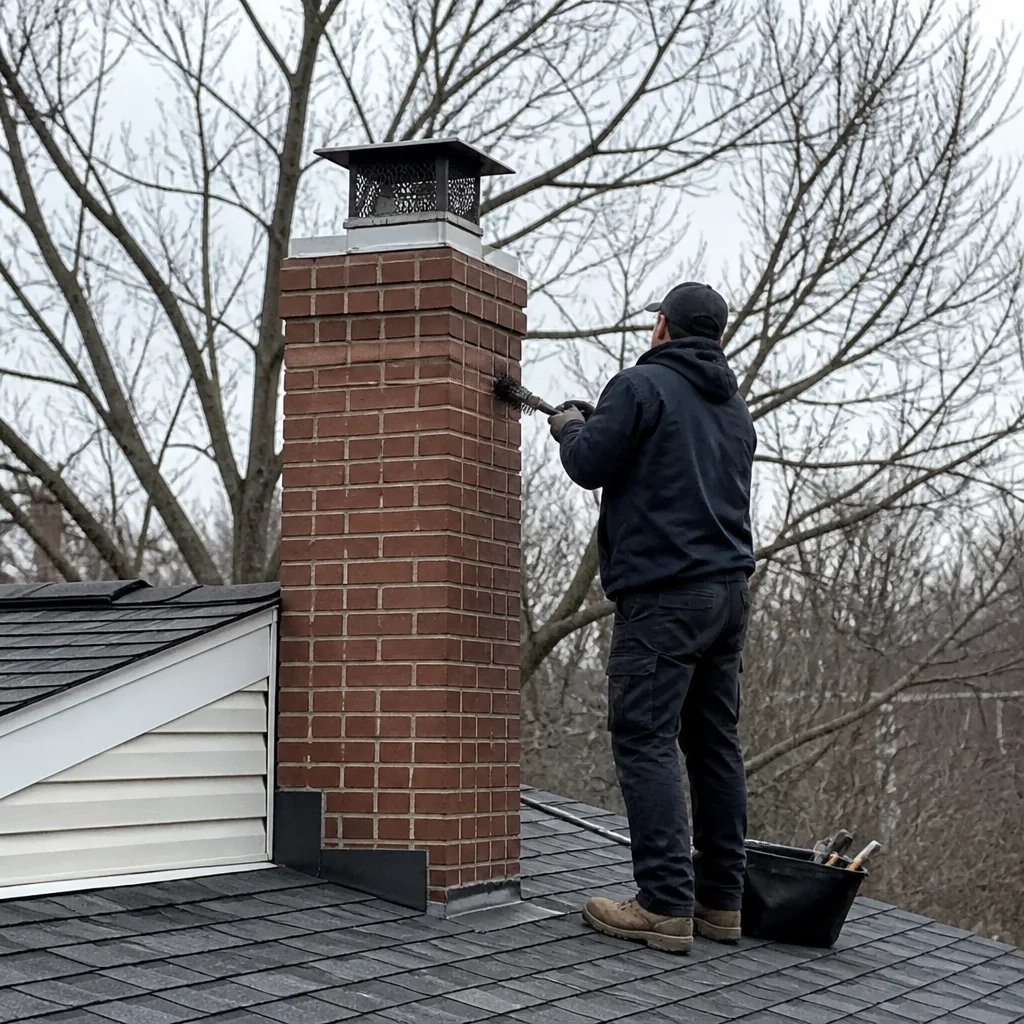
Level 1 sweep and inspection to the NFPA 211 annual standard - flue, crown, cap, and flashing checked and photographed
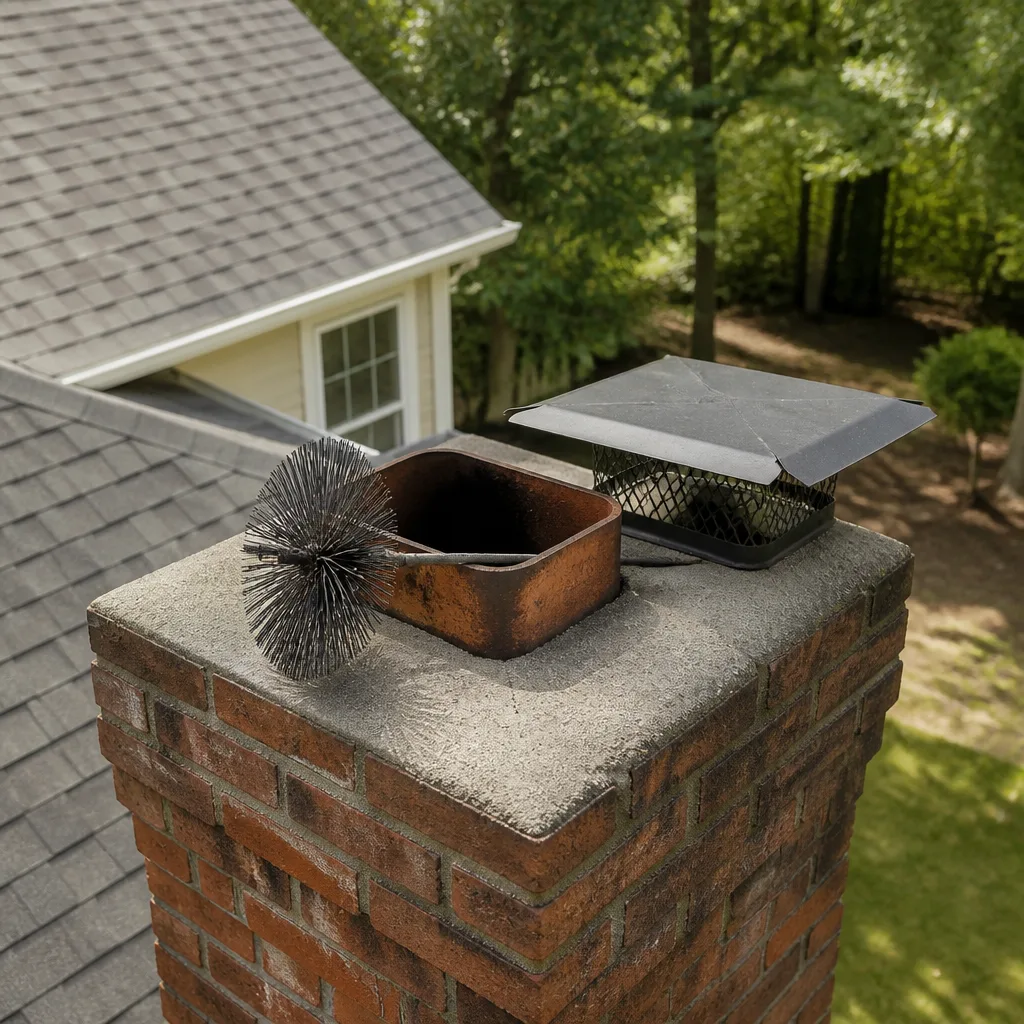
Chimney sweep logs do not sweep chimneys. They loosen some creosote - which then falls where a brush and vacuum still have to collect it.

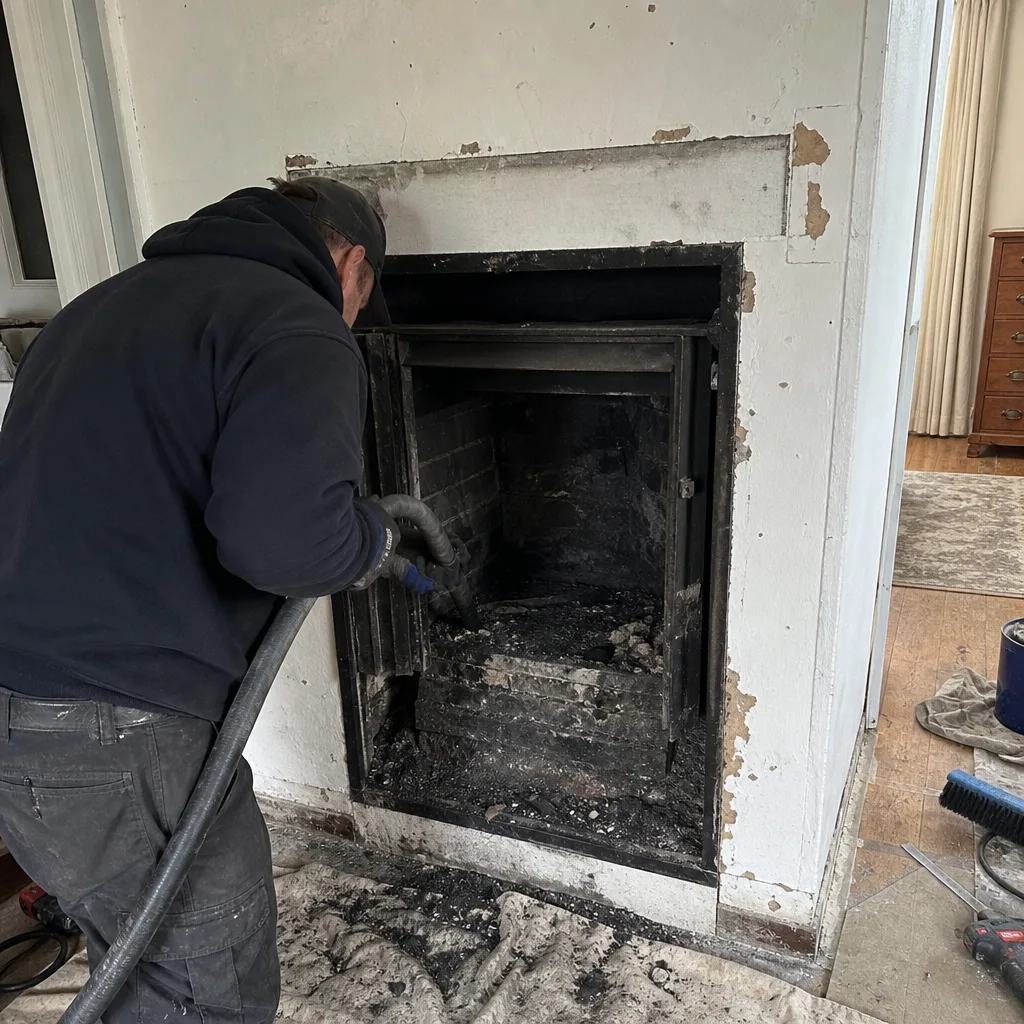 Before
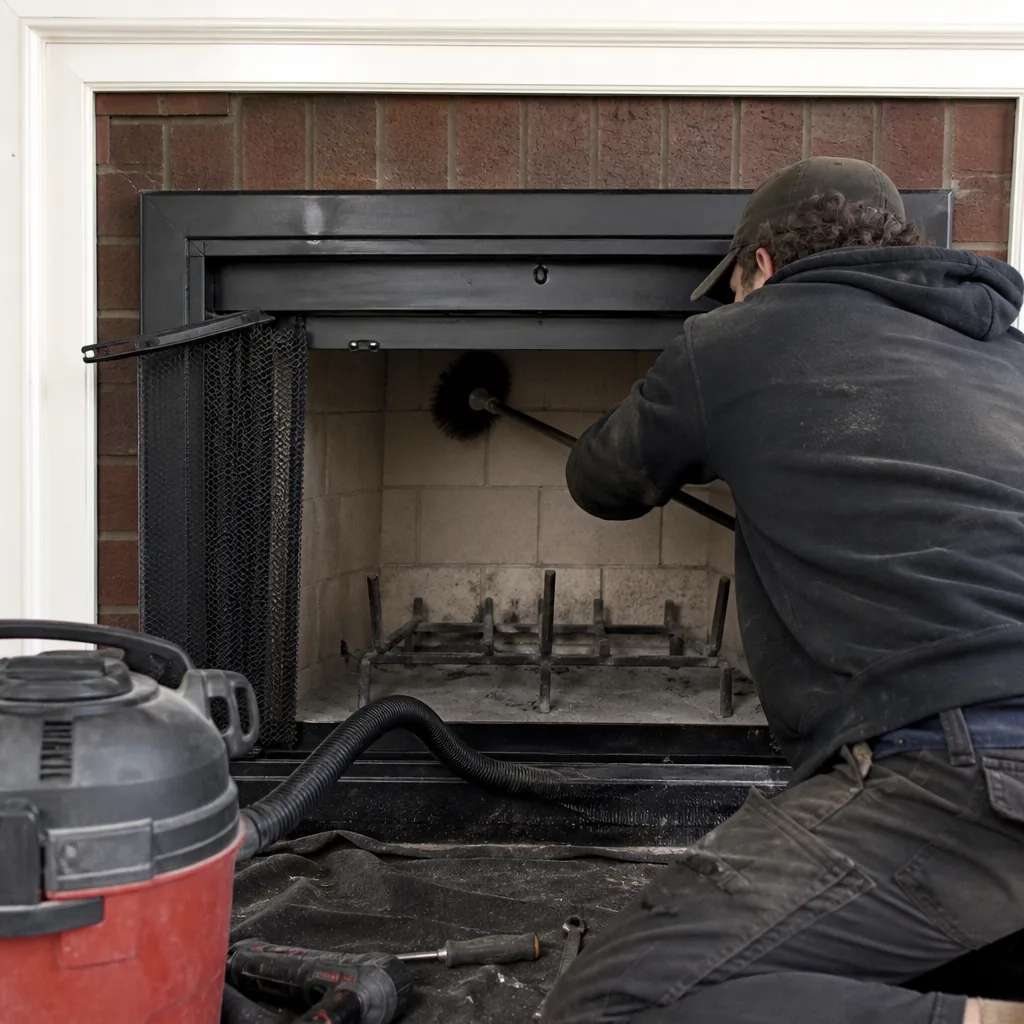 After
After Before
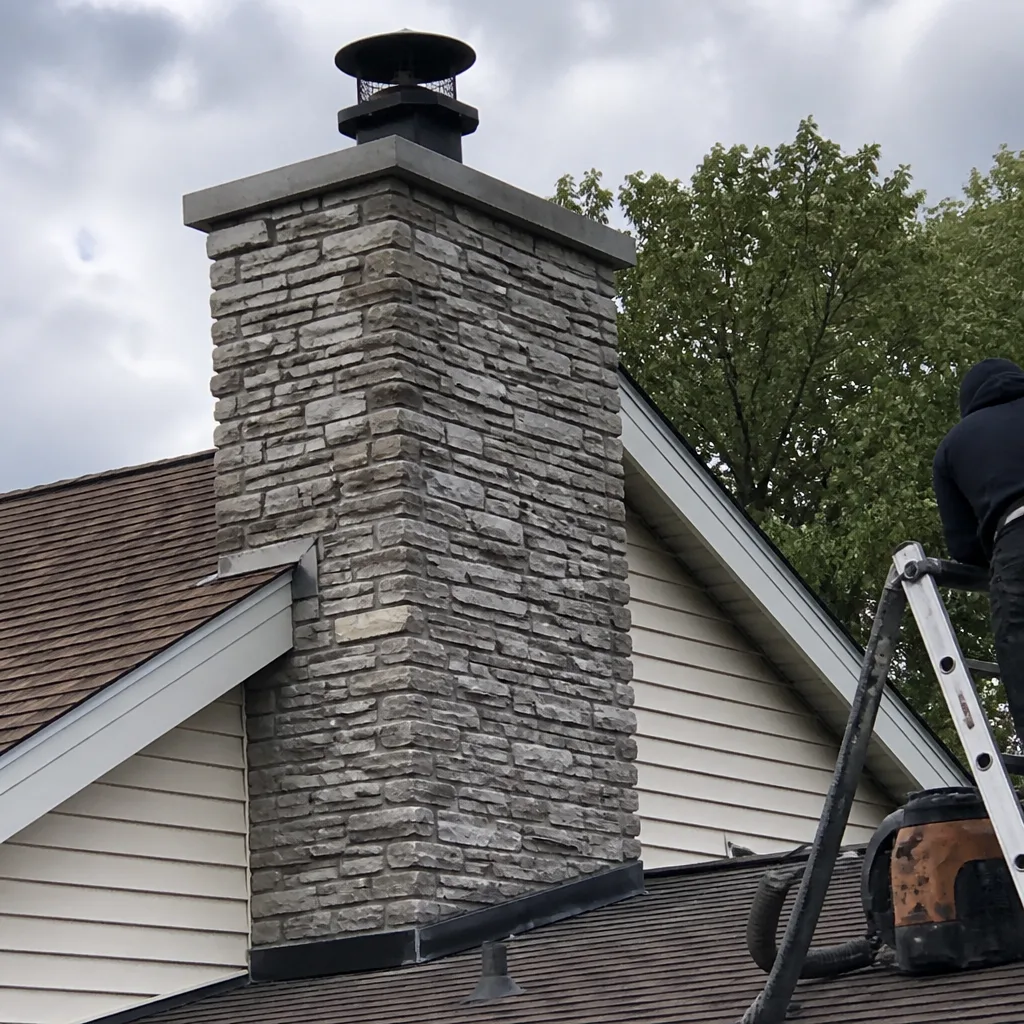 After
After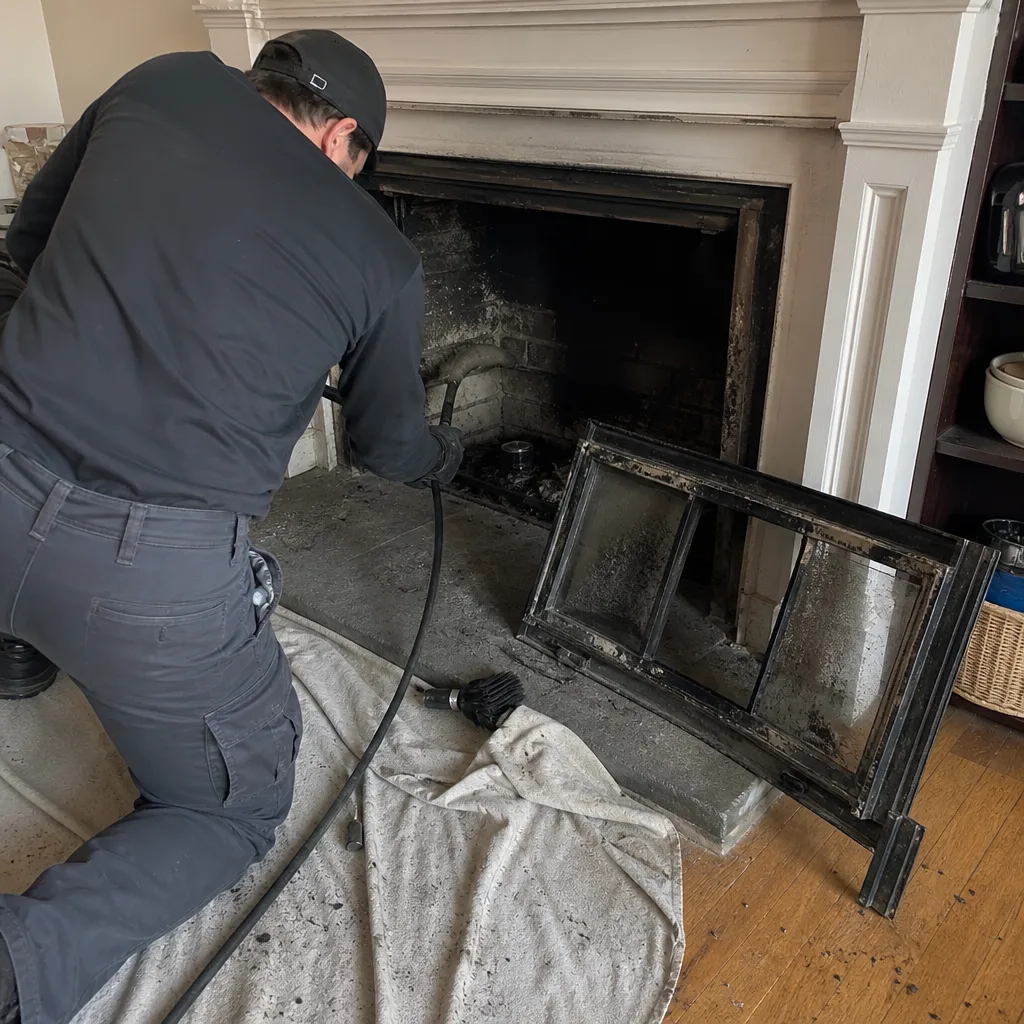 Before
 After
AfterSeasonal Chimney Cleaning Care for Ewing: Year-Round Homeowner’s Guide
The worst time to discover your chimney has a problem is the first cold night you light a fire - but that’s exactly when most Ewing homeowners find out, because summer and spring maintenance gets skipped every year. In our 42 years serving Mercer County, we’ve responded to more emergency calls on the first weekend of November than in the entire month of February. This guide maps out what to do, when to do it, and why Ewing’s specific freeze-thaw cycles, summer humidity, and fall pollen patterns make the timing matter more than most homeowners realize.
Quick Answer
Year-round chimney care in Ewing means inspecting masonry in March-April after freeze-thaw damage has occurred, addressing moisture and animal intrusion during summer, scheduling your sweep in September before the October rush, and running a pre-burn checklist before first use. Done in this order, each season’s task protects the next, and you’ll rarely face an emergency repair.
Table of Contents
- Why Timing Matters More in Ewing Than Elsewhere
- March-April: The Real Inspection Season (Not Fall)
- May-August: Summer Threats Most Homeowners Miss
- September: Schedule the Sweep Before the Rush
- October: The Pre-Season Readiness Checklist
- November-February: Safe Burning and Mid-Season Checks
- Gas Fireplaces: They Need Seasonal Attention Too
- What Seasonal Chimney Care Costs in Ewing
Why Timing Matters More in Ewing Than Elsewhere
Ewing sits in a tricky climate zone. We’re far enough inland to get real winter - temperatures that drop below 20°F for stretches in January and February - but close enough to the Delaware River that spring comes with rapid warming and heavy rain. That combination creates specific risks for chimney systems.
The freeze-thaw cycle is the big one. Water enters hairline cracks in masonry when temperatures rise above freezing, then expands when they drop again. In a typical Ewing winter, we see 40 to 60 freeze-thaw cycles. Each cycle widens cracks slightly. By March, a crack that was invisible in October can be wide enough to let significant water into the chimney structure.
Summer brings its own problems. Ewing’s humidity averages 65 to 75% from June through August. An open damper or missing cap turns the flue into a condensation chamber. We’ve pulled nests from chimneys in the Hillwood Estates area in July, and found efflorescence - that white powdery residue - coating fireboxes in homes near the TCNJ campus after humid spells.
Fall pollen and leaf debris clog caps and spark arrestors. Oak and maple pollen peaks in late April and early May, but the real accumulation happens in October when leaves drop. Homes near Mountainview Park and the wooded sections of Wilburtha see this most acutely.
The point: each season deposits a different kind of wear. Address them in sequence, and you prevent the compound damage that leads to $3,000 liner replacements or rebuilds.
March-April: The Real Inspection Season (Not Fall)
Most homeowners think fall is inspection season. It isn’t. By October, freeze-thaw damage has already happened, and you’re gambling that it won’t worsen before spring. March and April are when you catch it fresh, before a second winter cycle makes repairs more extensive.
Here’s what we look for in Ewing homes during post-winter inspections:
- Crown cracks and spalling. The concrete crown at the top of your chimney takes the worst weather. We document every crack with photos and measure width. Anything over 1/16 inch gets flagged for repair before next winter.
- Flashing separation. The metal where chimney meets roof expands and contracts through winter. Spring rains reveal leaks that winter ice had temporarily sealed.
- Interior flue damage. Our Level-2 camera inspection runs the full flue length. In Ewing’s older housing stock - the 1950s and 1960s ranches in Braeburn and the colonial revivals near Scotch Road - we frequently find terra cotta flue tiles with thermal shock cracking from decades of heating and cooling.
- Efflorescence mapping. White staining on exterior brick indicates water migration through the masonry. In spring, it’s fresh and shows active pathways. By fall, it may have been washed away or covered, hiding the problem.
Why not wait until fall? Two reasons. First, masonry repairs need warm, dry weather to cure properly. A crown repair done in March is fully cured before summer humidity hits. One done in October may not cure completely before first freeze. Second, chimney professionals in the Trenton-Ewing area book solid by mid-September. Spring scheduling means your choice of appointment times and no rush-job quality compromises.
We recommend every Ewing homeowner with a masonry chimney schedule a Level-2 inspection in March or April. Chimney repair in Ewing is far less expensive when caught in this window.
May-August: Summer Threats Most Homeowners Miss
Summer is when chimneys suffer from neglect, not use. Three specific problems surface in Ewing between May and August.
Animal nesting. From mid-April through June, squirrels, raccoons, and chimney swifts establish nests. A chimney without a cap is an invitation. We’ve removed nests from flues in the Parkway Village area in late May that completely blocked the flue - a carbon monoxide risk the homeowner didn’t discover until fall. A proper chimney cap with mesh screening, installed by early April, prevents this entirely. We install caps from Copperfield and Gelco with stainless steel mesh sized to stop animals while maintaining draft.
Moisture intrusion through open dampers. Many Ewing homeowners leave the damper open “for air circulation” in summer. This channels humid basement and living-space air directly into the flue. In July and August, when outdoor humidity peaks, that moisture condenses on the cooler interior flue surfaces. Over years, this causes rust on metal components and deterioration of masonry. Close the damper. If you want ventilation, crack a window.
Efflorescence as early warning. That white powder on your firebox or exterior brick? It’s soluble salts carried by water moving through masonry. In summer, high humidity keeps the migration active even without rain. If you see efflorescence in July, you have a water problem that will worsen by October. Don’t scrub it off and forget it. Trace the source.
Summer is also the ideal time for major masonry work. Repointing, crown rebuilds, and partial rebuilds need dry conditions and moderate temperatures. We schedule our most extensive chimney repair projects in Ewing for June and July, when weather is predictable and materials cure properly.
September: Schedule the Sweep Before the Rush
The first cool weekend in September triggers a flood of calls to every chimney company in Mercer County. Homeowners who’ve put off maintenance all year suddenly remember their fireplace. Wait until then, and you’re looking at two to three week delays, or paying premium rates for rush service.
We recommend booking your chimney sweep for the second or third week of September. Here’s why this timing works for Ewing:
- Weather is still warm enough that a day without the fireplace is no hardship
- Technicians aren’t yet working 12-hour days, so quality stays consistent
- Any repair discovered during the sweep can be scheduled and completed before first burn
- You’ll beat the October rush entirely
What happens during a proper sweep? Our technicians use professional-grade rods and brushes sized to your flue, with HEPA vacuums for dust control. We inspect the firebox, damper, smoke chamber, and accessible flue. Then we run a camera for the full flue length. You get photos, a plain-English verdict, and upfront pricing for anything needed. Most sweeps in Ewing take 60 to 90 minutes.
Our chimney cleaning and sweep in Ewing includes this full inspection. The $89 Seasonal Tune-Up covers standard sweep service for most residential systems.
If you’ve burned more than a cord of wood the previous winter, or if you notice any of these signs, September sweeping is non-negotiable: smoke backing up into the room, a strong odor from the fireplace in humid weather, visible creosote glazing (shiny black deposits), or difficulty starting fires due to poor draft.
October: The Pre-Season Readiness Checklist
By October 1, your sweep should be complete and any repairs finished. This checklist covers the final verification before first fire. Print it, hand it to your sweep, or walk through it yourself.
- Cap and crown visual check. From the ground with binoculars, or safely from a ladder at gutter height, confirm the cap is secure and the crown shows no new cracks since spring.
- Damper operation. Open fully, close fully. It should seal tightly when closed and move smoothly. If it sticks or leaks, repair before first burn.
- Firebox and hearth inspection. Look for cracked firebrick, deteriorated mortar joints, or gaps where fire meets surrounding structure. Any opening larger than 1/8 inch needs refractory repair.
- Smoke chamber and damper throat. This requires a mirror and flashlight, or camera inspection. Parged smoke chambers should be smooth; rough surfaces collect creosote. We use HeatShield refractory coating for smoke chamber resurfacing when needed.
- Flue clearance verification. Confirm no debris, nests, or structural obstructions. The camera inspection from your September sweep covers this, but a final check after any nearby tree work is wise.
- Carbon monoxide and smoke detector test. Replace batteries. Test function. If your detectors are over 7 years old, replace them entirely.
- Firewood readiness. Ewing homeowners should burn only seasoned hardwood - oak, maple, hickory - split and stacked for at least 12 months. Moisture content below 20%. Softwoods like pine create rapid creosote buildup.
- Clearance to combustibles. Verify mantel, trim, and nearby furnishings meet code clearance. In older Ewing homes, previous owners may have added decorative trim that violates modern clearances.
Run this checklist every October, even if you had a sweep in September. Things happen. A windstorm in late September can shift a cap. A neighbor’s tree work can drop debris. The 30 minutes this takes prevents the emergency call on the first cold night.
November-February: Safe Burning and Mid-Season Checks
Once burning season begins, maintenance doesn’t stop. It shifts to monitoring and safe practices.
Burn only dry, seasoned wood. We sound like a broken record on this, but in Ewing we see the consequences every January. Wet wood burns cooler, producing more smoke and heavier creosote deposits. A cord of green oak can deposit three times the creosote of seasoned oak. If you’re buying firewood locally, ask the seller where it was split and when. Reputable sellers in Mercer County will tell you without hesitation.
Build smaller, hotter fires. A smoldering load of wood overnight seems efficient but creates the most dangerous creosote. Hot, well-oxygenated fires burn cleaner. Use your damper actively - wide open during ignition and first 15 minutes, then adjusted to maintain lively flame.
Mid-season inspection points. In late January, after 6 to 8 weeks of regular use, check these items:
- Smoke chamber and damper area for creosote accumulation (mirror and flashlight)
- Exterior chimney for new staining or mortar displacement since fall
- Attic and roof space near chimney for any smoke odor indicating leakage
- Firewood storage - remaining supply should still be dry, not absorbing basement moisture
When to stop burning and call. Smoke entering the room, a persistent chemical or asphalt odor, visible sparks exiting the top of the chimney, or a sudden change in draft behavior all indicate a problem that needs immediate professional evaluation. Don’t try to “burn through it.” Chimney fires can reach 2,000°F and damage the flue liner without the homeowner realizing until it’s too late.
Our fireplace services in Ewing include mid-season inspections for homeowners who burn heavily.
Gas Fireplaces: They Need Seasonal Attention Too
Gas fireplace owners often assume their system needs no chimney maintenance. This is incorrect, and in some ways more dangerous because the warning signs are subtler.
A gas fireplace venting into a masonry chimney still produces water vapor and corrosive condensation. The lower flue temperatures of gas combustion mean this moisture doesn’t dry quickly. Over years, it deteriorates terra cotta flue tiles and corrodes metal connectors. In Ewing’s humid climate, this process accelerates.
Direct-vent gas fireplaces with their own through-wall venting need annual inspection too. We check for:
- Debris or insect nests in the vent termination
- Corrosion or separation of vent piping
- Proper flame pattern and gas pressure
- Function of safety shutoffs and oxygen depletion sensors
- Glass gasket integrity
Gas leaks and carbon monoxide from malfunctioning gas fireplaces are odorless and invisible. An annual inspection by a technician familiar with your specific unit is the only reliable prevention. We inspect gas fireplace systems throughout Ewing, including the newer installations in the homes near the College of New Jersey and the established neighborhoods around Parkside Avenue.
Never attempt to adjust gas valves, pilot assemblies, or vent connections yourself. The risk of fire, explosion, or CO poisoning is real and immediate.
What Seasonal Chimney Care Costs in Ewing
Transparency matters. Here’s what Ewing homeowners can expect to pay for routine seasonal maintenance, based on our local market and typical home configurations in the area.
| Service | Typical Range in Ewing | Notes |
|---|---|---|
| Standard chimney sweep with Level-1 inspection | $89-$250 | Our Seasonal Tune-Up is $89 for standard systems; complex or heavily sooted flues run higher |
| Level-2 camera inspection | $200-$350 | Required for real estate transactions, post-chimney fire, or when changing appliance type |
| Chimney cap installation (stainless steel) | $250-$450 | Includes proper sizing and installation; Copperfield and Gelco caps we install carry lifetime warranties |
| Crown repair (minor crack sealing) | $300-$600 | Using professional-grade flexible crown sealant |
| Crown rebuild (partial) | $800-$1,500 | Formed and poured with proper overhang and drip edge |
| Firebox refractory repair | $400-$900 | Patching with HeatShield or similar high-temperature refractory |
| Smoke chamber parging | $800-$1,400 | Smooth finish to reduce creosote accumulation |
| Flue liner repair (stainless steel) | $2,500-$4,500 | DuraFlex liners for most residential applications; exact price depends on height and diameter |
These ranges reflect Ewing’s market specifically. Homes with multiple flues, very tall chimneys (common in the older two-story colonials near Scotch Road), or access challenges may run higher. We provide no-hassle upfront pricing before any work begins. The number on the estimate is the number on the invoice.
Our standing offers apply year-round: $50 off any repair over $250, free second opinion on any written estimate, and a permanent 5% senior and veteran discount.
Common Mistakes to Avoid
- Waiting for fall to schedule anything. By October 15, every reputable sweep in Mercer County is booked two to three weeks out. Spring and summer scheduling gets better service and often better pricing.
- Assuming no smell means no problem. Creosote buildup is often odorless until it becomes severe. Annual inspection catches what your nose cannot.
- Using the fireplace as a garbage disposal. Cardboard, wrapping paper, and construction scraps burn unpredictably hot and create dangerous flue deposits. Ewing’s older chimneys were not designed for these temperatures.
- Installing a cheap cap from a hardware store. The $40 galvanized caps rust through in 2 to 3 years of Ewing weather. A proper stainless steel cap with correct mesh sizing lasts decades and prevents animal intrusion.
- Ignoring efflorescence. That white powder is not “just cosmetic.” It’s evidence of water moving through your masonry, carrying salts and gradually destroying mortar joints from within.
- Skipping gas fireplace service. Gas systems fail differently than wood - silently, with carbon monoxide rather than smoke as the danger signal. Annual service is non-negotiable.
- DIY flue cleaning with a brush from the hardware store. Without proper rods, vacuum containment, and camera verification, you’re moving debris around, not removing it, and you have no idea what condition the flue is in above arm’s reach.
When to Call a Professional
Call a certified chimney professional when you notice smoke backup, persistent odors, visible creosote glazing, damaged masonry, or any change in fireplace performance. Call immediately if you suspect a chimney fire - loud cracking or popping, dense smoke, or intense hot odor from the flue.
We’re also the right call when you simply want certainty. Our Level-2 camera inspections document everything with photos you can see and a plain-English verdict you can understand. No jargon, no scare tactics, no recommended work without evidence.
Hearthstone Chimney Co. offers free estimates in Ewing. Call (856) 388-5580. A live person answers 24 hours a day, 7 days a week. We’ll schedule at your convenience, show up when we say, and stand behind our work with the 90-Day Done Right Promise - in writing, no arguing.
Frequently Asked Questions
A standard chimney sweep with inspection in Ewing typically runs $89 to $250, depending on system complexity and creosote buildup severity. Our $89 Seasonal Tune-Up covers most standard residential fireplaces. Call (856) 388-5580 for an exact quote - estimates are free.
The National Fire Protection Association recommends annual inspection for all chimney systems, and sweeping as needed based on use. In Ewing, where many homeowners burn regularly through winter, we recommend sweeping after every cord of wood burned, or annually for moderate use. Gas fireplaces need annual service and inspection of the venting system.
Not unless inspection shows damage or code non-compliance. We recommend liners only when camera inspection reveals cracked terra cotta, gaps between flue tiles, or when installing a new appliance that requires a specific venting configuration. Every recommendation comes with photos you can see. If another company says you need a liner, we’ll give you a free second opinion on their written estimate.
Skipped maintenance leads to creosote accumulation (fire risk), undetected masonry deterioration (water damage to your home’s structure), and potential carbon monoxide intrusion from compromised flue integrity. In Ewing’s climate, freeze-thaw damage compounds annually. The $200 sweep you skip becomes the $3,000 rebuild you can’t postpone. Call (856) 388-5580 to schedule before small problems become large ones.
Spring repairs catch freeze-thaw damage before a second winter worsens it, and warm dry weather allows proper curing of mortar and crown materials. Fall repairs often face rushed scheduling, colder temperatures that slow curing, and the pressure to finish before first freeze. We’ve completed hundreds of chimney repairs in Ewing in spring; the results hold up better long-term.
You can brush the accessible firebox and damper area, but you cannot safely or effectively clean the full flue length without proper rods, brushes sized to your flue, HEPA vacuum containment, and camera verification. More importantly, without camera inspection you cannot assess flue condition. We’ve found dangerous cracks in flues that appeared clean to the homeowner. For safety-critical systems, professional service is the right choice.
The Bottom Line
Year-round chimney care in Ewing is a sequence, not a single task. Inspect masonry in March after freeze-thaw damage has occurred. Address moisture and animals in summer. Sweep and repair in September before the rush. Run the October checklist before first burn. Monitor through winter. Each step protects the next, and the homeowner who follows this calendar rarely faces an emergency.
The alternative - skip spring, ignore summer, call in October panic - leads to higher costs, rushed work, and the very emergencies this schedule prevents. We’ve seen it for 42 years. The homeowners who plan ahead are the ones who sleep soundly on the first cold night.
Done right - and we stand behind it.
Written by Russell Haines, Owner at Hearthstone Chimney Co., serving Ewing since 2014.